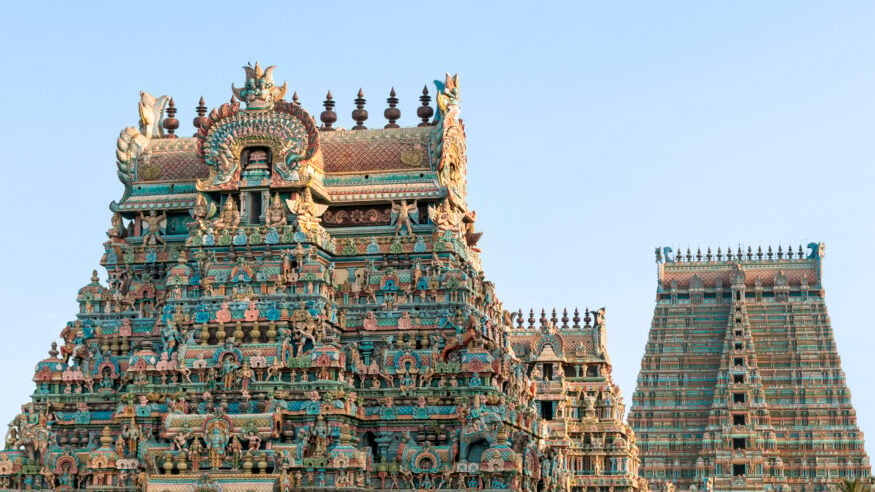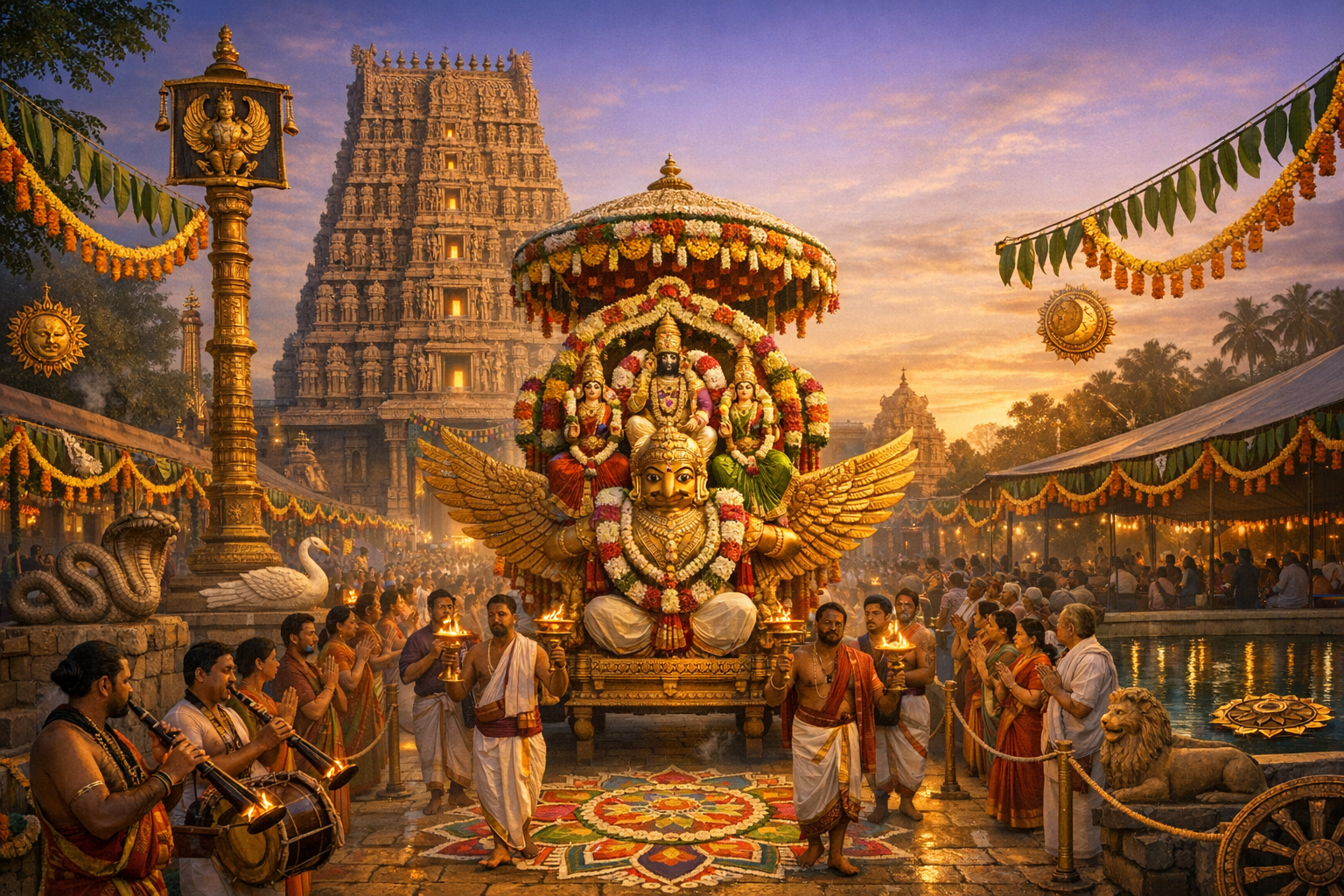
Anantavaram Temple Brahmotsavams 2026 will be observed from February 28 to March 4, 2026 at the Sri Venkateswara Swamy Temple in Ananthavaram village, Thullur Mandal, Guntur district, Andhra Pradesh. The annual Brahmotsavams celebrate Sri Venkateswara Swamy along with Sridevi and Bhudevi, and Tirumala Tirupati Devasthanam (TTD) is coordinating elaborate arrangements for the sacred fete in close alignment with established Vaishnava agamic traditions.
Situated within the culturally resonant Amaravati region, the Sri Venkateswara Swamy Temple at Ananthavaram has become a focal point for devotees across Guntur district and beyond. The temple’s sanctum, flagstaff (Dhwajasthambha), and ceremonial streets (mada veedhis) provide the architectural and ritual canvas on which the Brahmotsavams unfold, transforming the precinct into a living theatre of devotion, music, and community participation.
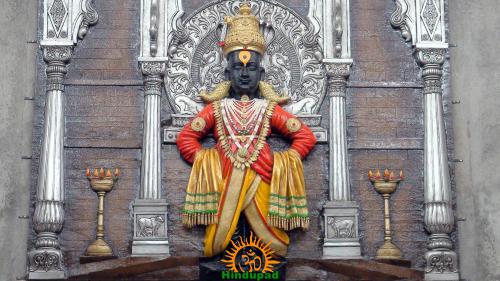
Sri Venkateswara Swamy, venerated as a compassionate manifestation of Vishnu, is worshipped here with Sridevi (the aspect of prosperity) and Bhudevi (the earth principle, embodiment of nourishment and steadiness). The combined darshan of Sri Venkateswara Swamy with Sridevi and Bhudevi is traditionally regarded as auspicious, affirming the inseparable unity of spiritual grace, material well-being, and ecological harmony.
In the Vaishnava tradition, Brahmotsavams are understood as a “grand festival” initiated by Brahmā in honor of the Lord. At Ananthavaram, as in major Vishnu temples administered or supported by TTD, the proceedings follow the Vaikhanasa Agama, ensuring precision in daily puja, alankaram, vahana processions, and concluding ablutions. The theological intent is to extend the sanctity of the sanctum to the streets, allowing all to partake in darshan and grace.
In the week leading up to the festival, Koil Alwar Thirumanjanam is typically performed to ritually cleanse and sanctify the Garbhagriha and allied areas. This painstaking purificationutilizing aromatic pastes, natural herbs, and traditional compoundssymbolizes the renewal of the sacred space so that the deity’s presence is experienced with heightened clarity by the community of devotees.
The Brahmotsavams generally commence with Dwajarohanam, the ceremonial hoisting of the Garuda flag at the Dhwajasthambha. Practitioners regard this rite as an invitation to the celestial beings to witness the celebrations and confer blessings. In many TTD-supported festivals, ankurarpanam (seed-sowing for auspiciousness) and mritsangrahanam (ritual collection of sacred earth) precede the commencement, rooting the event in fertility, continuity, and ecological reverence.
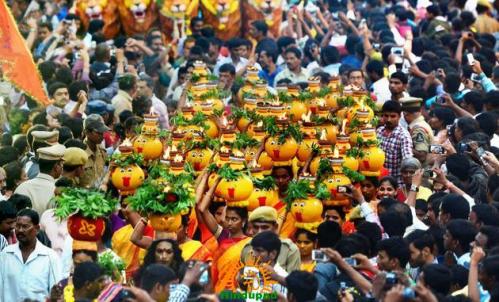
Across the festival days, vahana sevas carry the utsava murti of Sri Venkateswara Swamy through the mada veedhis in both morning and evening processions, allowing thousands to receive darshan. While the specific schedule for Anantavaram Temple Brahmotsavams 2026 will be confirmed by TTD and the temple authorities, devotees may anticipate emblematic vahanams often seen in Vishnu Brahmotsavams: Sesha Vahanam signifying cosmic support; Hamsa Vahanam for viveka (discernment); Simha Vahanam for courage and dharma; Hanumantha Vahanam for steadfast service; Surya Prabha and Chandra Prabha for solar and lunar grace; and Aswa Vahanam representing dynamic, righteous action.
Garuda Seva, traditionally the most awaited highlight, draws peak participation. As the Lord rides on Garudaarchetype of devotion and divine transportdevotees frequently recount an elevated sense of collective bhakti and solace. Although dates and timings for Anantavaram will be announced closer to the festival, Garuda Seva typically occurs mid-festival in TTD Brahmotsavams and commands elaborate crowd and queue management to ensure safe and orderly darshan.
Rathotsavam, where the deity is taken on the temple chariot, offers a majestic, community-centric procession. Many families regard pulling the chariot’s ropes as an act of humble service. The festival generally culminates in Chakrasnanam (also known as Avabhritha Snanam), a sacred bath for the Sudarshana Chakra in temple waters, followed by Dwajavarohanam, the lowering of the Garuda flag to formally close the Brahmotsavams with prayers for social harmony and individual well-being.
Ritual performance at Ananthavaram during Brahmotsavams is typically accompanied by Veda parayanam, Divya Prabandha recitations, traditional nadaswaram and tavil ensembles, and precise alankarams reflecting scriptural prescriptions. Adherence to Vaikhanasa Agama ensures that each seva, naivedyam, and procession aligns with canonical texts, safeguarding ritual integrity and theological coherence.
For many pilgrims, the lived experience is as meaningful as the liturgy. Observers often describe a palpable hush at Dwajarohanam, the uplifting cadence of the vahana processions, and the quiet camaraderie of sharing prasadam. Even those visiting for the first time find the Anantavaram Temple Brahmotsavams 2026 accessible, with TTD’s systems designed to help families with children, elders, and first-time attendees move comfortably through darshan and pradakshina routes.
TTD’s arrangements commonly include clearly demarcated queue lines, controlled entry and exit corridors along procession routes, shaded rest points, drinking water stations, sanitation facilities, first-aid and medical posts, and safety announcements in Telugu and other major languages. Volunteers and temple staff guide devotees, while security and traffic coordination facilitate safe movement in and around the temple streets.
Darshan planning benefits from early arrival at the vahana routes and attentiveness to on-site advisories. Morning sevas often provide softer light and lower temperatures, while evening processionsthough more crowdedcarry a special devotional ambience under lamps and archway lights. Families typically identify a safe landmark to regroup, carry minimal belongings, and keep hydration handy in eco-friendly containers.
Ananthavaram is well connected by road within Thullur Mandal and the broader Amaravati region. Guntur and Vijayawada serve as major hubs for rail and air connectivity respectively, with the Vijayawada International Airport (Gannavaram) offering access for out-of-state pilgrims. Depending on route, Ananthavaram can generally be reached from Guntur or Vijayawada in approximately one to two hours. Local and regional buses, taxis, and app-based transport are commonly available during festival days, though additional travel time should be planned for peak events such as Garuda Seva and Rathotsavam.
Accommodation is typically easier to secure in Guntur, Vijayawada, and the Amaravati region, with options ranging from budget lodges to hotels. During the Brahmotsavams window, early booking is prudent. Food and prasadam counters are regularly organized near the temple zone, and TTD’s annaprasadam teams often support hygienic, sattvic distribution in a plastic-minimized manner.
While the Anantavaram Temple Brahmotsavams 2026 are a Vaishnava celebration, the festival’s ethical and spiritual ideasseva, compassion, non-violence, community welfare, and reverence for knowledgeresonate across the dharmic traditions of Hinduism, Buddhism, Jainism, and Sikhism. Pilgrims from these traditions frequently find common cause in the festival’s emphasis on inner discipline, social harmony, and gratitude for the gifts of nature.
Sustainability practices are increasingly integral to festival organization. Devotees are encouraged to carry reusable water bottles, minimize single-use plastics, follow waste segregation norms, and respect local ecology and heritage structures. These small choices preserve the sanctity of the temple environs and reflect the shared dharmic ethic of care for Mother Earth, personified as Bhudevi.
Accessibility for elders and persons with limited mobility is a priority consideration. While final arrangements will be posted by TTD and local authorities, devotees may expect designated assistance points and guidance along the more accessible stretches of the procession routes. Those accompanying elders typically plan shorter darshan windows and identify shaded rest areas in advance.
As the dates approach, the temple and TTD will release the detailed day-wise schedule, including specific vahanams, sevas, and timing windows for Koil Alwar Thirumanjanam, Dwajarohanam, Garuda Seva, Rathotsavam, Chakrasnanam, and Dwajavarohanam. Devotees are advised to consult official notices nearer to the event for final timings and route advisories.
The Anantavaram Temple Brahmotsavams 2026 provide an uplifting intersection of sacred ritual, communal participation, and meticulously planned logistics. For families seeking a spiritually rich and culturally immersive experience, the festival offers the blessings of Sri Venkateswara Swamy with Sridevi and Bhudevi, the beauty of agamic worship, and the reassurance of TTD’s organizational stewardshipall in the heart of Guntur district’s living heritage.
Inspired by this post on Hindu Pad.