-
Khatushyam (Barbarika): Shyam Baba’s Kaliyuga Grace, Legend, and Temple Heritage

Khatushyam, identified with Barbarika—the valorous son of Ghatotkacha and Mourvi—is revered as Shyam Baba and honored as a Kaliyuga saviour, especially in Rajasthan and Gujarat. The legend of his vow to aid the weaker side in the Kurukshetra War and his supreme offering to Krishna frames a powerful ethical reflection on compassion guided by discernment.…
-
Narayani Mata Temple, Amanbagh: A Serene Shakti Shrine in Alwar, Rajasthan

Narayani Mata Temple near Amanbagh in Alwar, Rajasthan, is a serene Shakti shrine known for contemplative worship and a welcoming atmosphere. A corresponding temple in Lonavala, Maharashtra, reflects the wider reach of Narayani Maa’s devotion across regions. Traditions note special reverence among the Sain Samaj while emphasizing openness to all devotees. Visitors often find calm,…
-
Sambhal Harihar Mandir in the Puranas: Unraveling History, Sacred Memory, and Unity

Sambhal Harihar Mandir is discussed in relation to the Skanda Purana and, as some scholars suggest, the Bhagavata and Matsya Puranas, highlighting its enduring cultural significance. The historical narrative includes claims of a 16th-century transformation of the site, which require rigorous scholarly evaluation. A careful distinction between popular labels and documented evidence helps reduce polarization.…
-
Thousand Pillar Temple, Hanamkonda: Timeless Kakatiya Splendor and Sacred Trikuta Harmony

The Thousand Pillar Temple (Rudreswara/Rudreshwara Swamy Temple) in Hanamkonda, Warangal, is a 12th-century Kakatiya masterpiece renowned for its Trikutalaya plan dedicated to Shiva, Vishnu, and Surya. Its dense colonnades, lathe-turned pillars, and exquisite friezes create an immersive play of light and shadow. Visitors commonly note the temple’s contemplative atmosphere and the precision of its stonework,…
-
Ayodhya Dhwajarohan: PM Modi hoists saffron flag at Ram Mandir, a unifying milestone

Prime Minister Narendra Modi’s Dhwajarohan at the Shri Ram Janmbhoomi Mandir in Ayodhya marked a historic, emotionally resonant milestone for devotees worldwide. The saffron flag—linked to the Ikshvaku lineage, the eco-symbolism of the Kovidar tree, and the Sun emblem of the Suryavanshi heritage—signifies the temple’s transition to a fully sovereign divine abode. Vedic scholar Dushyanth…
-
World’s Largest Nagar Kirtan: Khalsa College Amritsar Inspires Faith, Service, and Unity

Anchored by students of Khalsa College, Amritsar and guided by the Khalsa College Governing Council, the world’s largest Nagar Kirtan exemplifies living Sikh heritage in the public square. The procession fuses devotion and service, turning city streets into shared spaces of reflection and renewal. Student leadership showcases how academic institutions can cultivate responsibility, teamwork, and…
-
Seval Kodi: Murugan’s Rooster Emblem and the Triumphant Conquest of Maya’s Illusion

Seval Kodi, the rooster emblem on Murugan’s banner, symbolizes the victory of awakened consciousness over Maya. Rooted in Tamil tradition and Skanda narratives, it encodes vigilance, clarity, and the ethical transmutation of hostile forces into good. The emblem complements the vel, where piercing insight is proclaimed as triumphant by the rooster’s dawn-cry. Devotees describe relatable,…
-
Youth Flock to HJS Fort Excursions: ‘A Day in Presence of Chhatrapati Shivaji Maharaj’

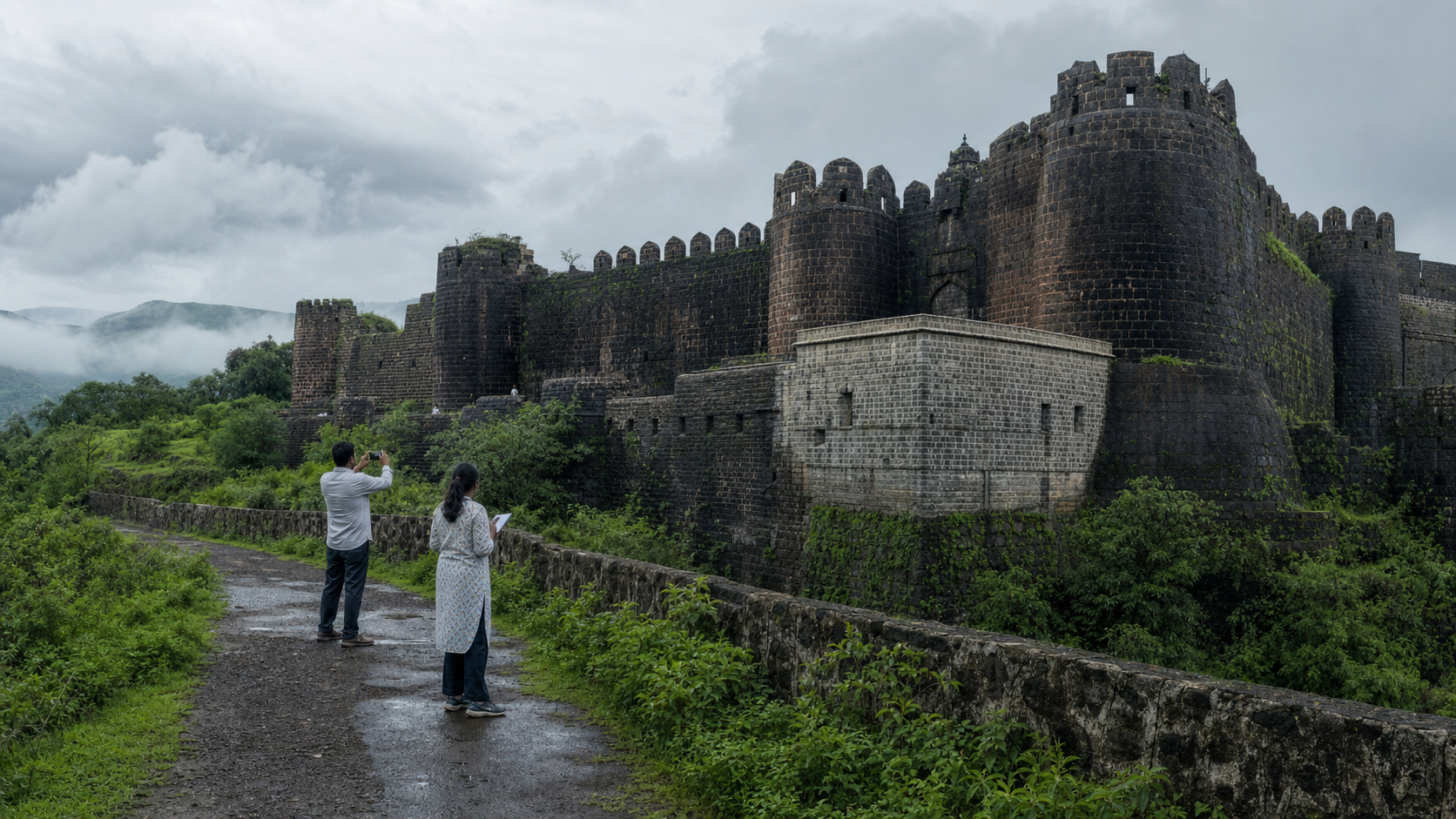
Hindu Janajagruti Samiti’s fort excursions under ‘A day in presence of Chhatrapati Shivaji Maharaj’ drew strong youth participation and renewed interest in Indian history. The guided treks offered evidence-based insights into Maratha-era strategy, architecture, and governance in a hands-on setting. Participants described the experience as motivating, informative, and unifying in its emphasis on duty, courage,…
-
Unlocking Abhinaya Dharma: Natyadharma vs. Lokadharma in India’s Timeless Dance-Drama

Abhinaya Dharma denotes the guiding codes of Indian dance-drama, balancing stylized Natyadharma with naturalistic Lokadharma. Understanding these two modes clarifies how performers move from bhava (inner feeling) to rasa (aesthetic experience). Natyadharma refines gesture, voice, costume, and inner affect into a luminous grammar; Lokadharma anchors performance in everyday realism. Together, they deepen narrative clarity, audience…
-
Sikotar Maa, Guardian of Gujarat’s Seas: Sacred Protection, Maritime Faith, and Cultural Unity

Sikotar Maa, also known as Vahanvati Mata, is revered along Gujarat’s coast as a Hindu Goddess who safeguards sailors, fishermen, and harbor communities. This post situates her worship within the wider maritime history of Saurashtra and Kutch, where devotion complements seamanship and shared responsibility at sea. Readers gain a clear view of her theological place…
-
Trishunda Mayureshwar Ganpati, Pune: Unveiling the Three-Trunk Ganesha’s Symbolic Power

The Trishunda Mayureshwar Ganpati Temple in Somwar Peth, Pune, presents a rare three-trunk form of Ganesha riding a peacock, locally known as Moreswar. This Peshwa-era shrine blends refined stone architecture with distinctive iconography that symbolizes tri-guṇa, tri-kāla, and tri-loka harmonized in one image. The Mayureshwar aspect recalls Purāṇic narratives in which Ganesha, mounted on a…
-
Shiva’s Serpent Sacred Thread: Timeless Symbolic Power, Protection, and Unity in Hinduism

Shiva’s serpent as a sacred thread (yajnopavita) encodes a living synthesis of Hindu symbolism, yogic practice, and cosmic vision. The serpent signifies awakened awareness, mastery of prana, and the transformation of fear into protection and compassion. As an image of cyclical time and eternity, it invites practitioners to see renewal, not threat, in life’s changes.…
-
Kshirgram Maa Jogadya Mandir: Timeless Shakti, Living Heritage at Bengal’s Sacred Peeth

Kshirgram Maa Jogadya Mandir in Mangalkot, Bardhaman, is a revered Shakti Peeth dedicated to Maa Jogadya, honored as an embodiment of Shakti. The temple’s sanctity rests within the broader sacred geography of Bengal and the pan-Indian tradition of Devi Sati. Visitors encounter living rituals, seasonal festivals, and an atmosphere conducive to contemplation. The site’s cultural…
-
When Murugan Faded from the North: A Powerful Historical Imagination of Lost Worship

This historically grounded imagination traces how Murugan (Kartikeya, Skanda, Subrahmanya) seemed to recede from public worship in Northern India without disappearing from the wider Hindu tradition. Drawing on Gupta-era markers, Mathura sculpture, and regional epigraphy, it reframes the shift as a plural, adaptive process rather than a rupture. Readers gain a nuanced view of sacred…
-
Govind Dev Ji Temple, Jaipur: A Soul-Stirring Krishna Shrine in the City Palace Complex

Situated within Jaipur’s City Palace complex, Govind Dev Ji Temple is a renowned Krishna shrine where living bhakti shapes daily life. Historically installed by Maharaja Sawai Jai Singh II, the deity’s presence reflects a seamless integration of devotion and civic identity. The temple’s Rajput–Mughal aesthetics, open courtyards, and axial alignments exemplify Jaipur’s heritage planning. Daily…
-
Thousand Hands of Kartaviryarjuna: A Powerful Symbol of Ambition, Dharma, and Restraint

Kartaviryarjuna (Sahasrabahu Arjuna) embodies a profound Hindu symbol: the “thousand hands” as a metaphor for vast capability, desire, and duty. The Puranic narrative—his rise under Dattatreya’s grace, his famed prowess, and the ethical turning point culminating in Parashurama’s retribution—illustrates the line between dharma and adharma. Interpreted across dharmic traditions, the motif aligns with Buddhist compassion…
-
Community Outrage at Liquor Party in State‑Protected Bandra Fort Sparks Heritage Action

A video shows a liquor party at Mumbai’s state-protected Bandra Fort; organisers claimed permission but failed to produce documents when questioned by police. The incident raises urgent concerns about safeguarding India’s cultural heritage and upholding preservation norms at protected monuments. Readers gain clarity on what happened, why it matters, and how transparent permissions and enforcement…
-
From Battlefield to Home Shrine: The Gentle Rise of Dakshina Kali in Bengal’s Devotion

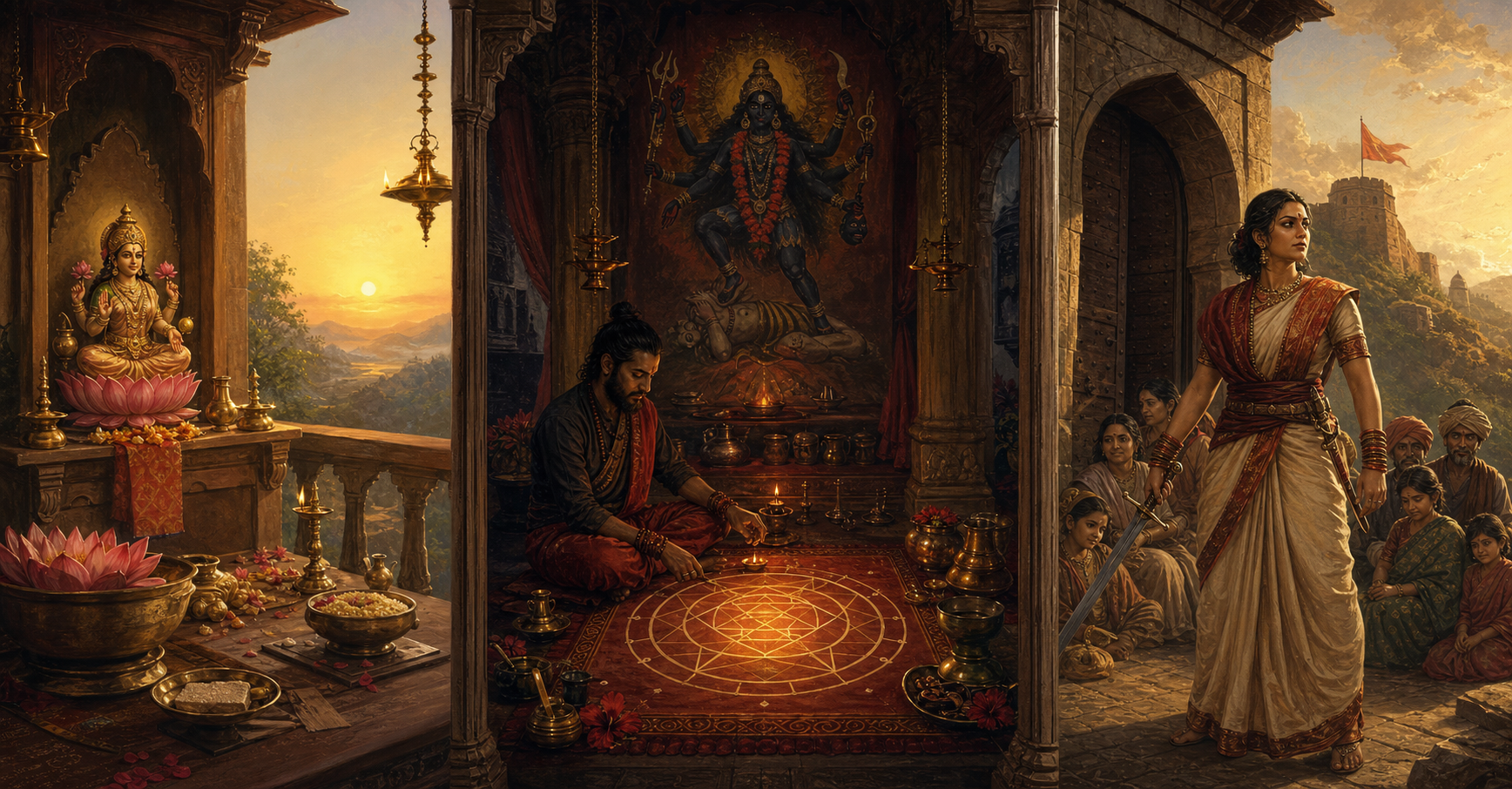
This article traces how Dakshina Kali, first revealed in the Devi Mahatmya as a ferocious force of dharma, became a compassionate presence in Bengali homes. It explains the iconographic shift to the gentler Dakshina Kali and shows how Shakta Tantra, bhakti poetry, and popular art enabled domestic worship. The roles of Kalighat, Dakshineswar, and 19th-century…
-
Immersive Devotional Dramas at ISKCON Vrindavan: Srila Prabhupada’s Living Legacy

Srila Prabhupada’s ISKCON Vrindavan Cultural Theatre (IVCT) transforms devotional drama into a contemplative practice centered on Krishna’s leelas. The performances create an immersive environment that deepens remembrance and supports mindful attention. As a living repository of cultural heritage, IVCT translates scriptural narratives into accessible, intergenerational learning. The theatre’s inclusive ethos resonates with shared values across…