-
Sanatan Rashtra Shankhnad Mahotsav: A Resonant Call for Valour, Culture, and Security

Scheduled for 13–14 December 2025 at Bharat Mandapam, New Delhi, the ‘Sanatan Rashtra Shankhnad Mahotsav’ brings national security, cultural heritage, and valour into a single scholarly forum. A rare exhibition of historical weaponry and sacred relics provides context for ethical defence traditions within Sanatan Dharma. Moderated dialogues explore contemporary security challenges with rigor, linking policy…
-
Illuminating Review: Guru Nanakpanthi Heritage Series—Sikhs in Sindhi Society, Past to Present

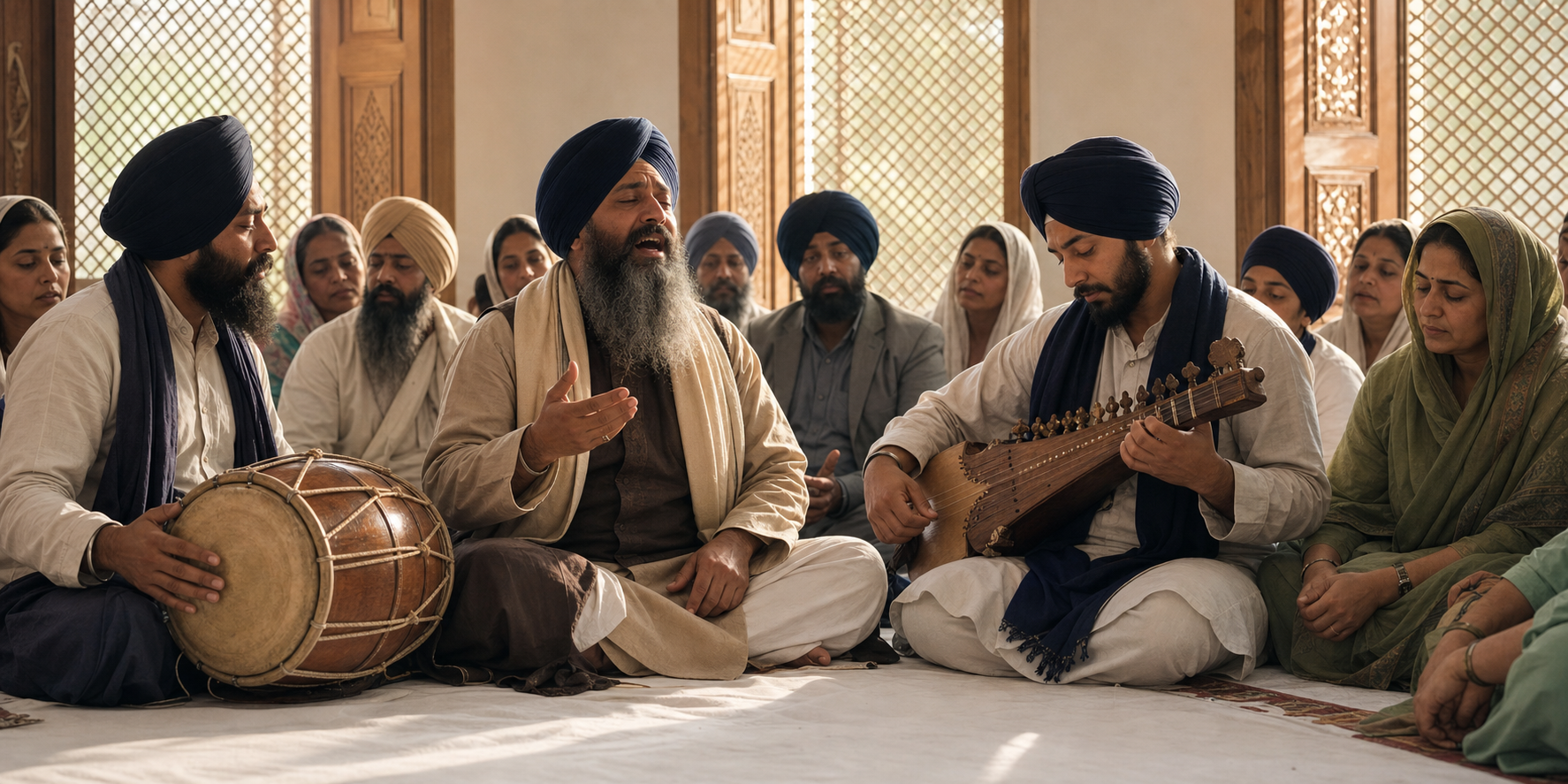
This review examines Volume One of the Guru Nanakpanthi Heritage Series—Sikhs in Sindhi Society: Legacy and Present—highlighting its clear analysis, compassionate tone, and relevance to Cultural Heritage and History. The book traces how seva, kirtan, sangat, and langar shaped Sikh–Sindhi bonds while documenting present-day continuities across India and the diaspora. It advances Religious pluralism in…
-
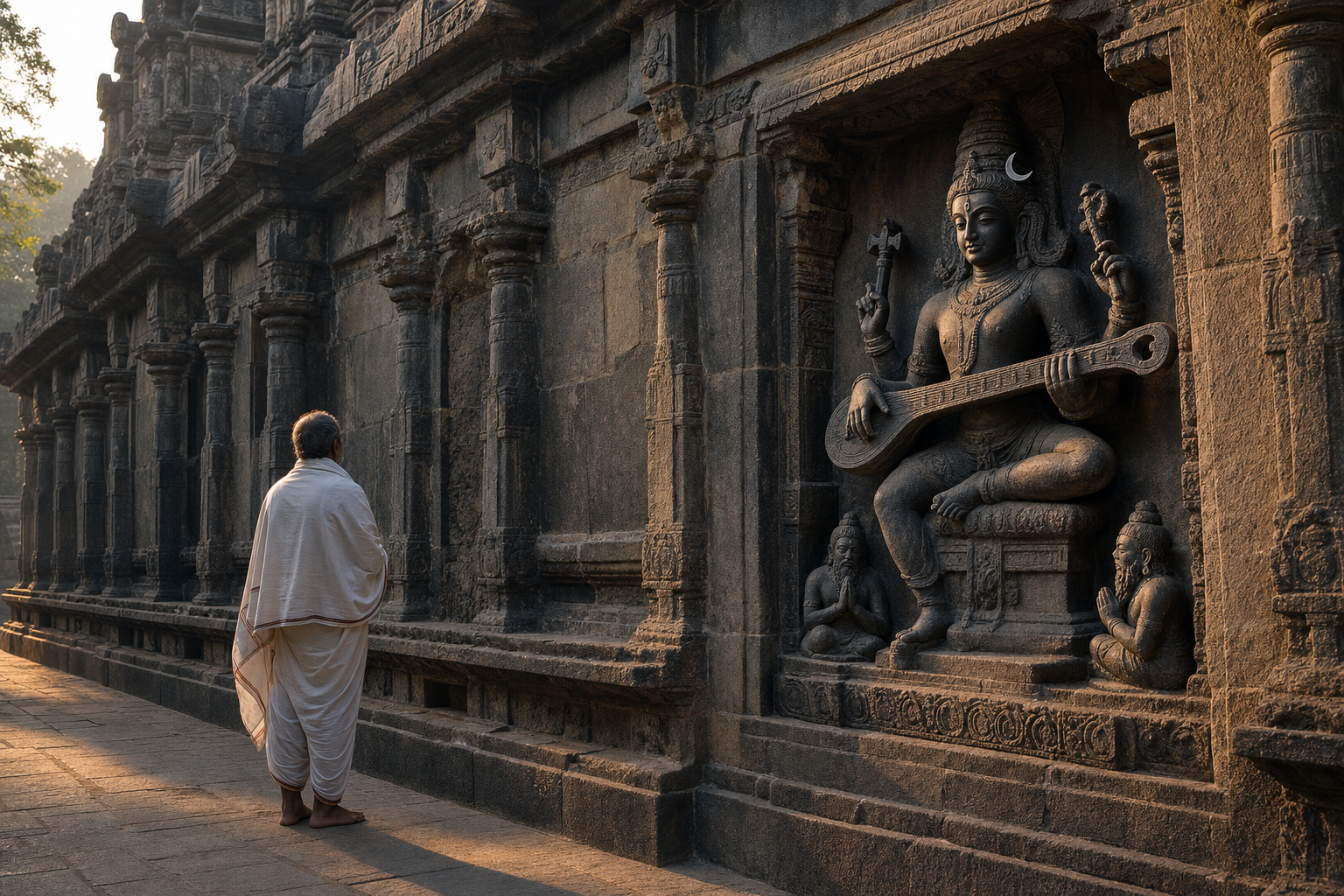
How Tagore Illuminates Kalidasa: Forest Hermitages and the Soul of Sanatana Dharma

This essay distills Rabindranath Tagore’s reading of Kalidasa to show how forest hermitages embody the ethical and aesthetic heart of Sanatana Dharma. Drawing on The Springhead of Indian Civilisation (translated by Acharya Jadunath Sarkar), it traces how the forest nurtured both Vedic and Buddhist ages and continues to inform a broader dharmic ethos. Kalidasa’s Raghuvamsa…
-
Transcendental Art in ISKCON: Visualizing Krsna’s Forms to Deepen Devotion and Unity

This article explores how transcendental art within ISKCON transforms individual talent into meaningful devotional service rooted in Vedic literature. It explains how illustrations of Krsna’s many forms, as described in Bhagavad-gita and Srimad-Bhagavatam, function as both spiritual practice and pedagogy. Readers gain insight into why Prabhupada emphasized richly illustrated texts and how ISKCON’s art department…
-
Jatamandala: Unlocking the Sacred Halo of Shiva’s Locks and Dharmic Cosmic Symbolism

Jatamandala, from Sanskrit “jata” (matted hair) and “mandala” (circle), is a defining feature of Lord Shiva’s iconography that represents concentrated spiritual energy and cosmic order. Seen most vividly in Nataraja bronzes and paintings, it encircles the head like a radiant halo and anchors attributes such as the crescent moon and the descent of the Ganga.…
-
Ramabhadra, Not King of Ayodhya: Sri Rama’s Humility in Bhavabhuti’s Uttara Rāma

This article explores why classical sources such as Bhavabhuti’s Uttara Rāma emphasize the intimate name “Ramabhadra” for Sri Rama over the formal title “King of Ayodhya.” It shows how the choice reflects a deliberate centering of dharma, humility, and ethical proximity rather than hierarchical distance. Readers gain insight into Rama’s model of kingship, where restraint,…
-
Bhasa’s Bold Reimagining of Sita’s Abduction in Pratima Natakam: Ethics, Dharma, Drama

Bhasa’s Pratima Natakam (Pratimanatakam) presents Sita’s abduction not as onstage spectacle but as a reflective, ethically charged episode grounded in classical Sanskrit dramaturgy. By channeling the event through memory, messenger-reports, and the symbolic power of the pratima (statue), the play emphasizes dharma, agency, and the psychology of crisis over physical action. This approach foregrounds rasa—especially…
-
Inspiring Sindhudurg Fort Cleanliness Drive Unites Shivpremis in HJS Heritage Campaign

A community-led cleanliness drive at Sindhudurg Fort brought together over 50 Shivpremis under Hindu Janajagruti Samiti’s heritage campaign, A day in presence of Chhatrapati Shivaji Maharaj. The initiative combined practical conservation with public awareness, elevating hygiene and visitor experience at a major historic landmark in Maharashtra. Participants reported a deep sense of seva and cultural…
-
Historic Revival in Kashi: 19-year-old Vedic scholar completes 50-day Dandakrama Parayana

A 19-year-old Vedic scholar, Shri. Devavrat Mahesh Rekhe, has completed a 50-day Dandakrama Parayana in Kashi, reviving a rare Vedic tradition after nearly two centuries. The accomplishment showcases exemplary svādhyāya, discipline, and mastery of Sanskrit recitation. Held in Varanasi, it reinforces the city’s status as a living center of Vedic traditions and temple culture. The…
-
Mapusa’s Shri Bodgeshwar Jatrotsav: Protecting Tradition, Local Livelihoods, and Dharmic Unity

Community groups in Mapusa have urged that stall operations at Shri Bodgeshwar Jatrotsav prioritise local families, citing tradition, livelihoods, and security. This article presents a constructive, unity-focused approach that honours cultural heritage while welcoming respectful participation from Hindu, Buddhist, Jain, and Sikh communities. It outlines non-discriminatory security protocols, transparent stall-allotment processes, and clear merchandising guidelines…
-
Complaint over Simhastha Kumbh Mela Remarks Spurs Calls for Respect, Harmony, and Due Process

Activists have filed a complaint against journalist Niranjan Takle for alleged derogatory comments about Saints and Sadhus at the Simhastha Kumbh Mela. The case highlights the need for respectful discourse around sacred traditions and those who serve within them. It underscores how freedom of expression and freedom of worship must be balanced to protect pluralism.…
-
Krishnakali: Bengal’s Enchanting Fusion of Sri Krishna and Goddess Kali, Devotion and Unity

Krishnakali, cherished in Bengal, unites Sri Krishna’s compassionate play with Goddess Kali’s protective power in a single devotional vision. Rooted in bhakti traditions linked to Radharani, it demonstrates Hinduism’s pluralism and the Ishta principle—honoring personal freedom in worship. The folkloric episode, featuring Jatila, Kutila, and Ayan, highlights how divine wisdom reconciles social tension without conflict.…
-
Bury Place Legacy: ISKCON London’s Historic Journey and a Vision of Dharmic Unity

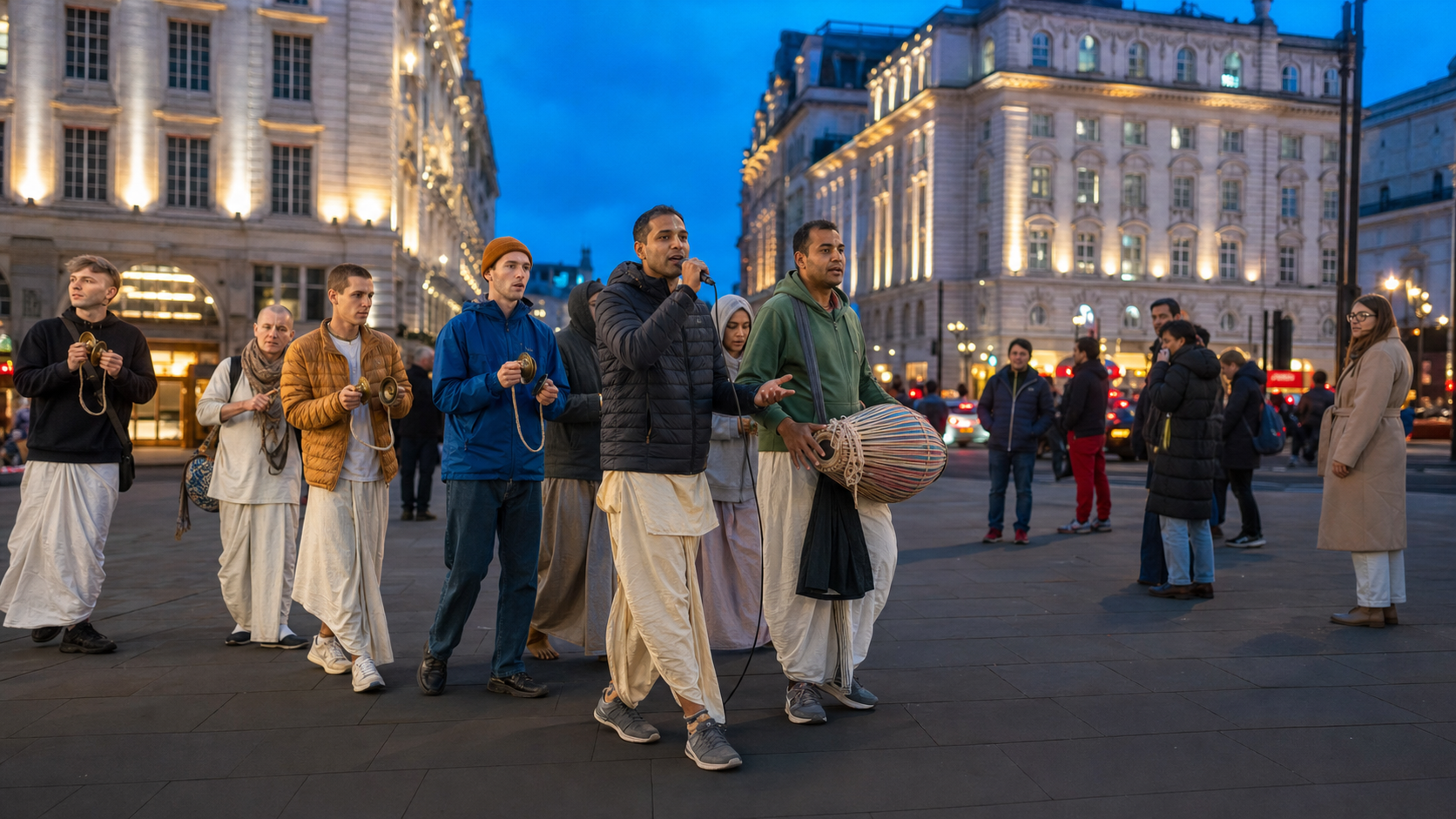
Bury Place represents a living chapter in London’s spiritual history, rooted in ISKCON London’s establishment and the 1969 installation of Sri Sri Radha-Londonisvara at 7 Bury Place by Srila Prabhupada. The narrative highlights responsible heritage stewardship alongside the living practices of seva and yajna that strengthen community life. As a Hindu temple in London, the…
-
Discover Isannapally Kalabhairava Temple: Kamareddy’s 8‑Foot Idol and 16th‑Century Legacy

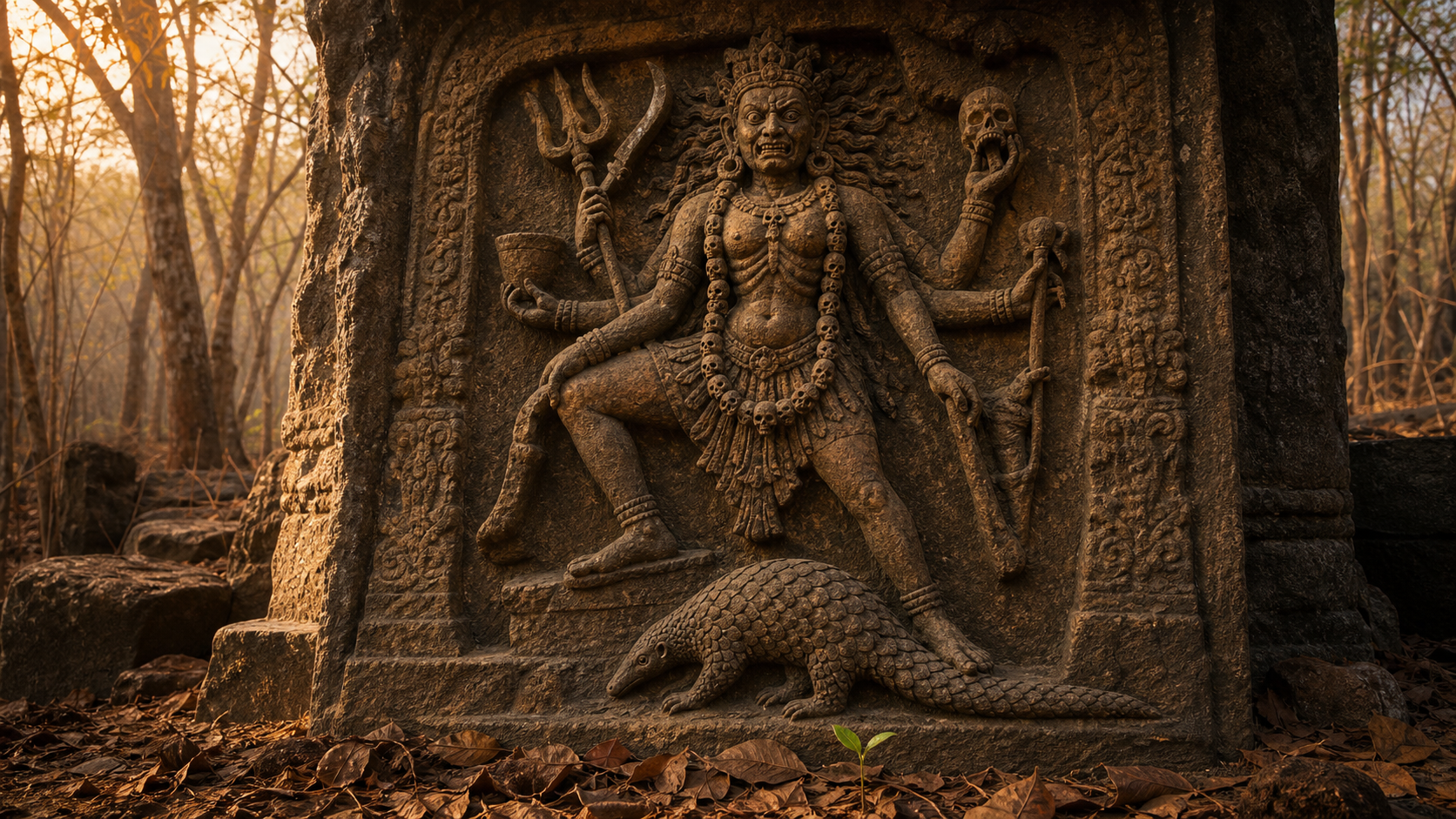
Isannapally Kalabhairava Temple in Bhiknur Mandal, Kamareddy District, Telangana, is esteemed for its powerful spiritual presence and cultural importance. The temple houses an 8‑foot idol of Digambara Kalabhairava Swamy with the dog vahana, conveying vigilance and guardianship. Local tradition dates the icon to the 16th century, situating the shrine within a rich Shaivite heritage. Visitors…
-
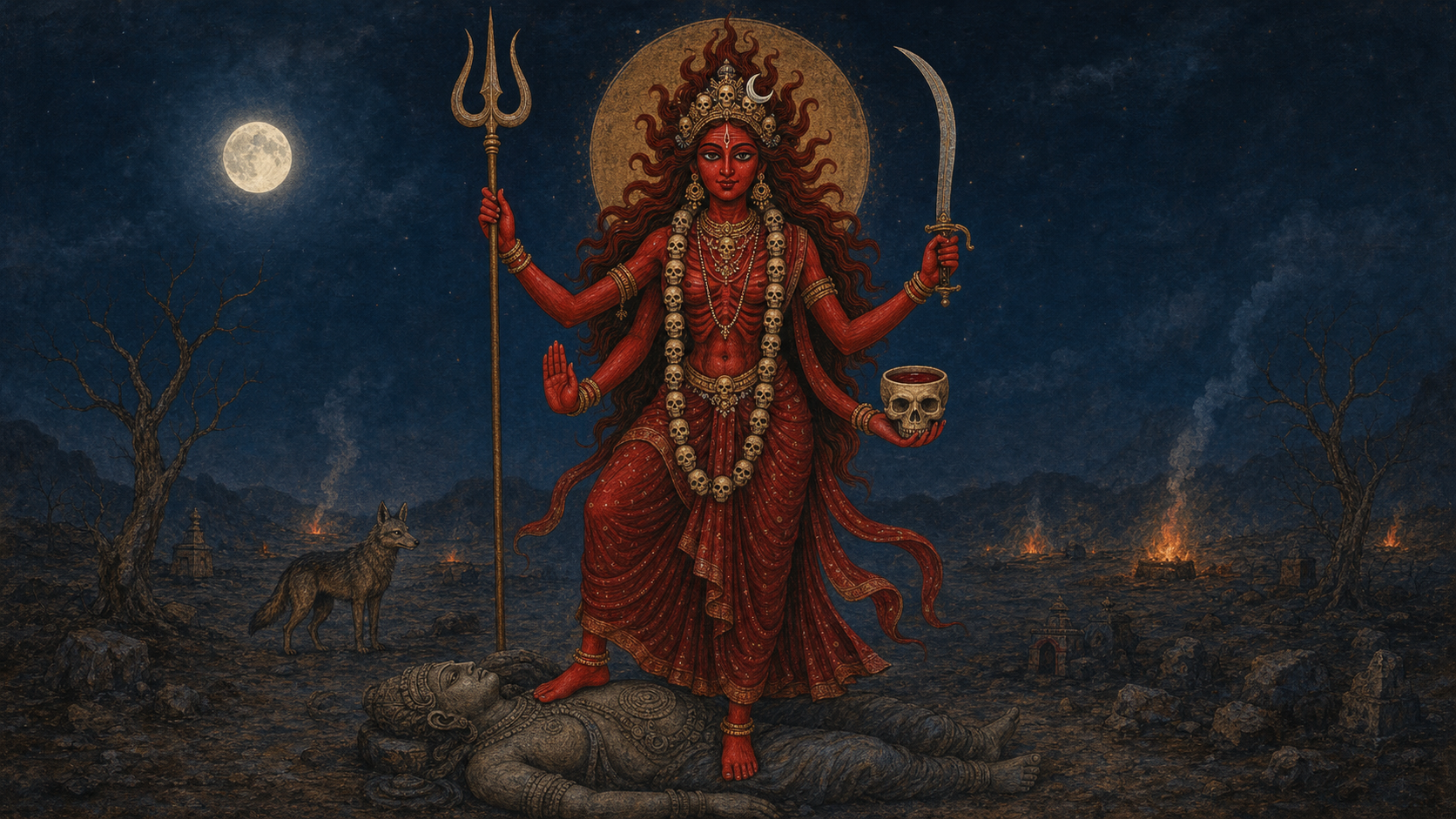
Laat Bhairav Temple, Varanasi: A Timeless Sanctuary of Kapal Bhairav in Alaipur

Laat Bhairav Temple in Varanasi, also known as Kapal Bhairav, stands in Alaipur as a quietly powerful testament to Kashi’s ancient temple heritage. Identified in the Puranas with a fierce, protective form of Shiva, the shrine emphasizes courage, vigilance, and inner discipline. Its modest setting on the city’s outskirts offers a contemplative counterpoint to crowded…
-
Bichale Raghavendra Swamy Mutt: Discover the Sacred ‘Third Mantralayam’ by Tungabhadra

Bichale Raghavendra Swamy Mutt, revered as the “Third Mantralayam,” lies a few kilometres from Mantralayam on the banks of the Tungabhadra. The site is closely associated with Guru Raghavendra Swamy and his foremost disciple Appanacharya, reflecting the strength of the guru–shishya tradition. Visitors encounter a serene environment well suited for stotra recitation, quiet japa, and…
-
Murugan and Tamil: The Enduring Sacred Bond Shaping Language, Identity, and Living Heritage

Murugan—known as Kartikeya or Skanda—stands as a guardian of Tamil language, culture, and identity, revealing how sacred tradition and linguistic creativity thrive together. Drawing on Sangam literature and Tirumurukāṟṟuppaṭai, the narrative traces Murugan’s sacred geography and Tamil poetics as living heritage. It highlights Tiruppugazh’s refined prosody, temple inscriptions, and festivals like Skanda Sashti and Karthigai…
-
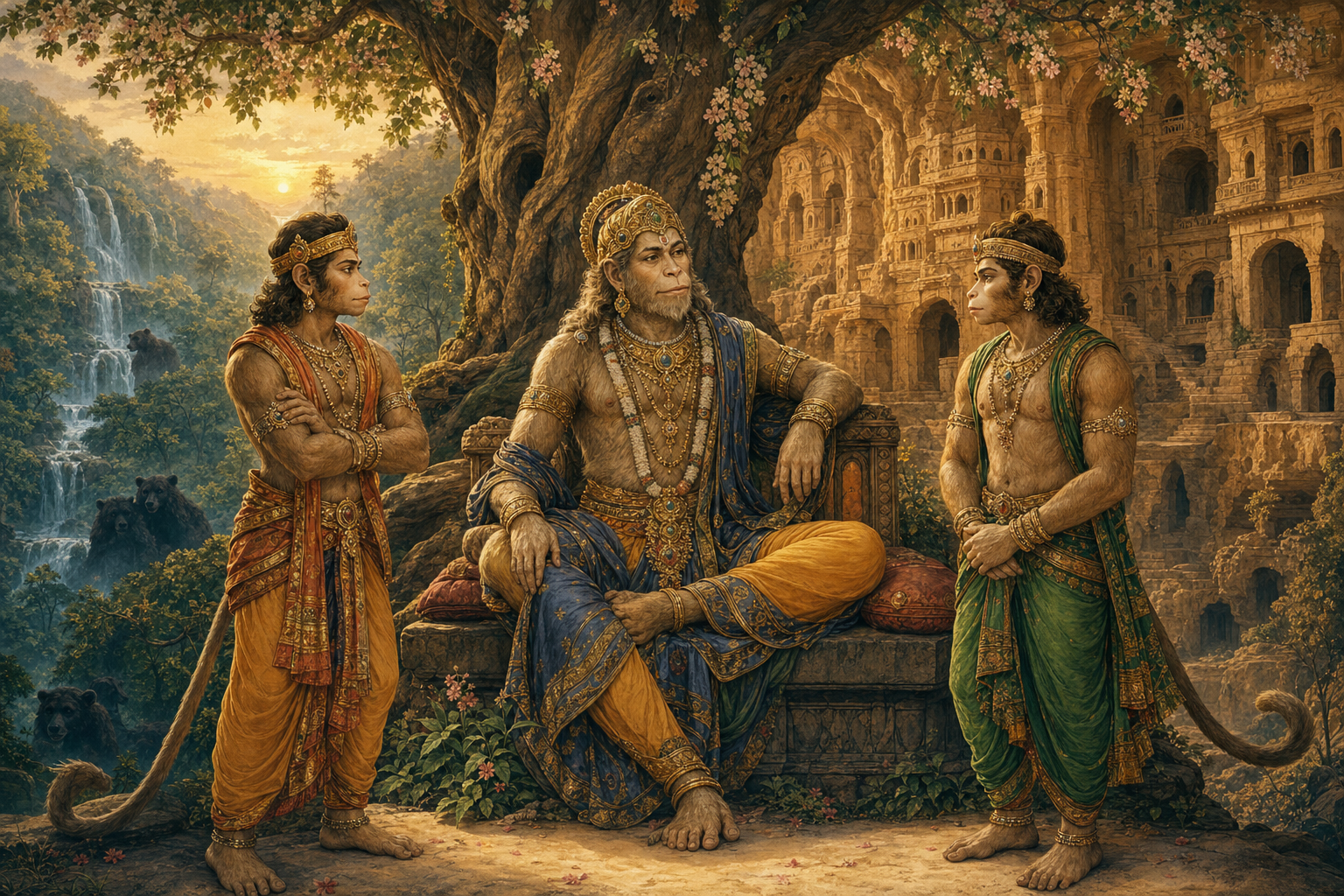
Riksharaja’s Astonishing Origin: The Dual-Gender Parent of Vali and Sugriva in Ramayana

Some Ramayana traditions portray Riksharaja as the dual-gender progenitor of Vali and Sugriva, a striking motif that expands the epic’s philosophical depth. Born from Brahma’s tear and associated with Indra and Surya, Riksharaja embodies both fatherhood and motherhood in one sacred figure. This narrative resonates with dharmic symbolism such as Ardhanarishvara, where complementarity and balance…
-
Shri Ram Idols Unearthed in Sagar Mosque Excavation: Heritage Breakthrough, Path to Harmony

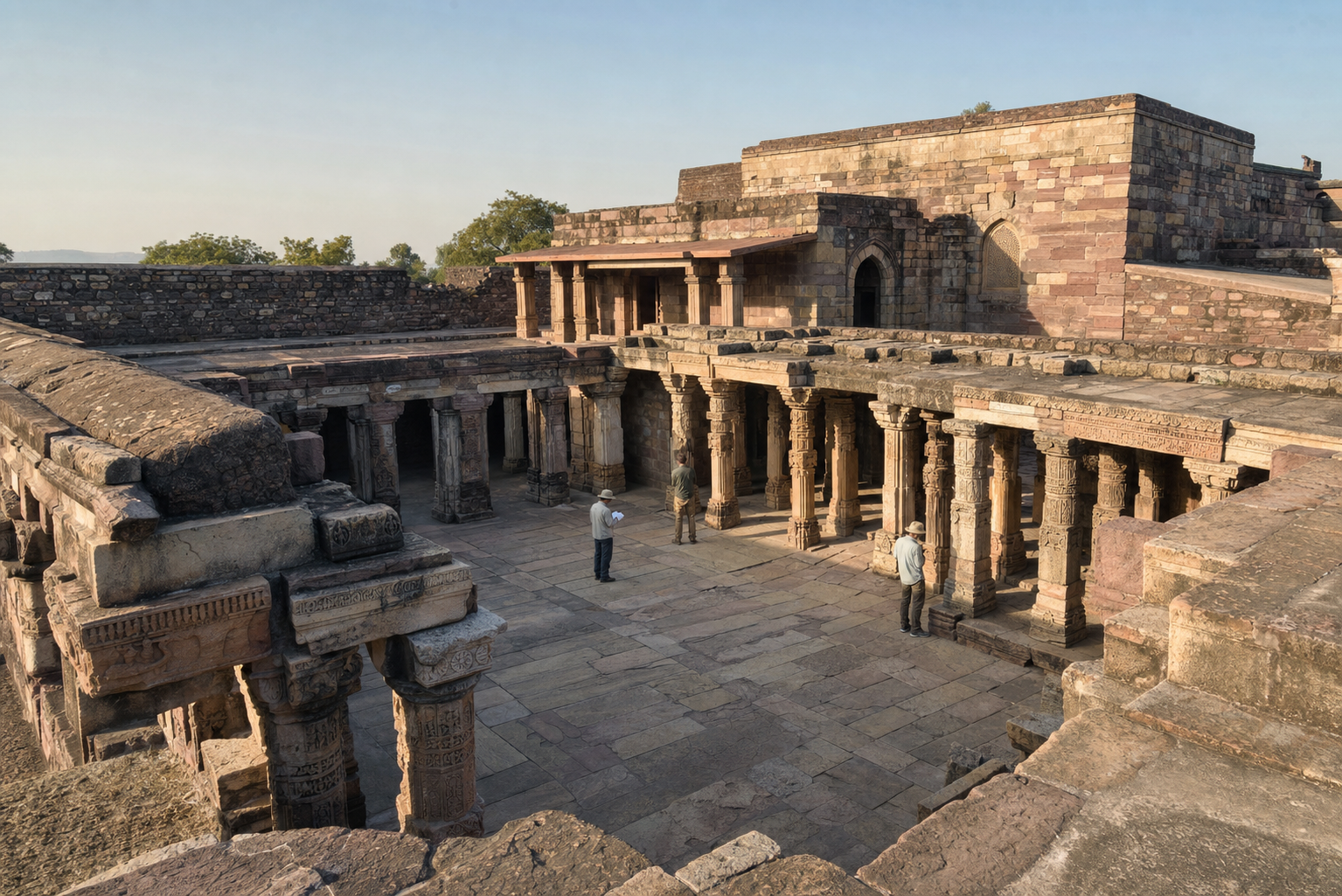
Idols of Shri Ram were reportedly discovered during a mosque excavation in Papred village, Sagar, Madhya Pradesh, prompting calls for recognition of possible earlier temple heritage. The situation highlights the importance of transparent Archaeological Excavation guided by ASI and state heritage bodies. A methodical, expert-led inquiry can establish chronology and Historical Significance while respecting ongoing…
-
Inspiring Youth Surge for Maratha Heritage: 80 Join HJS at Ratnadurg, Govindgad Forts

A heritage campaign by Hindu Janajagruti Samiti (HJS) at Ratnadurg and Govindgad Forts brought together 80 young participants to engage deeply with the legacy of Chhatrapati Shivaji Maharaj. Set within Maharashtra’s iconic Maratha-era landmarks, the program connected historical insight with civic responsibility and service. Youth enthusiasm demonstrated how place-based learning strengthens cultural continuity and local…