
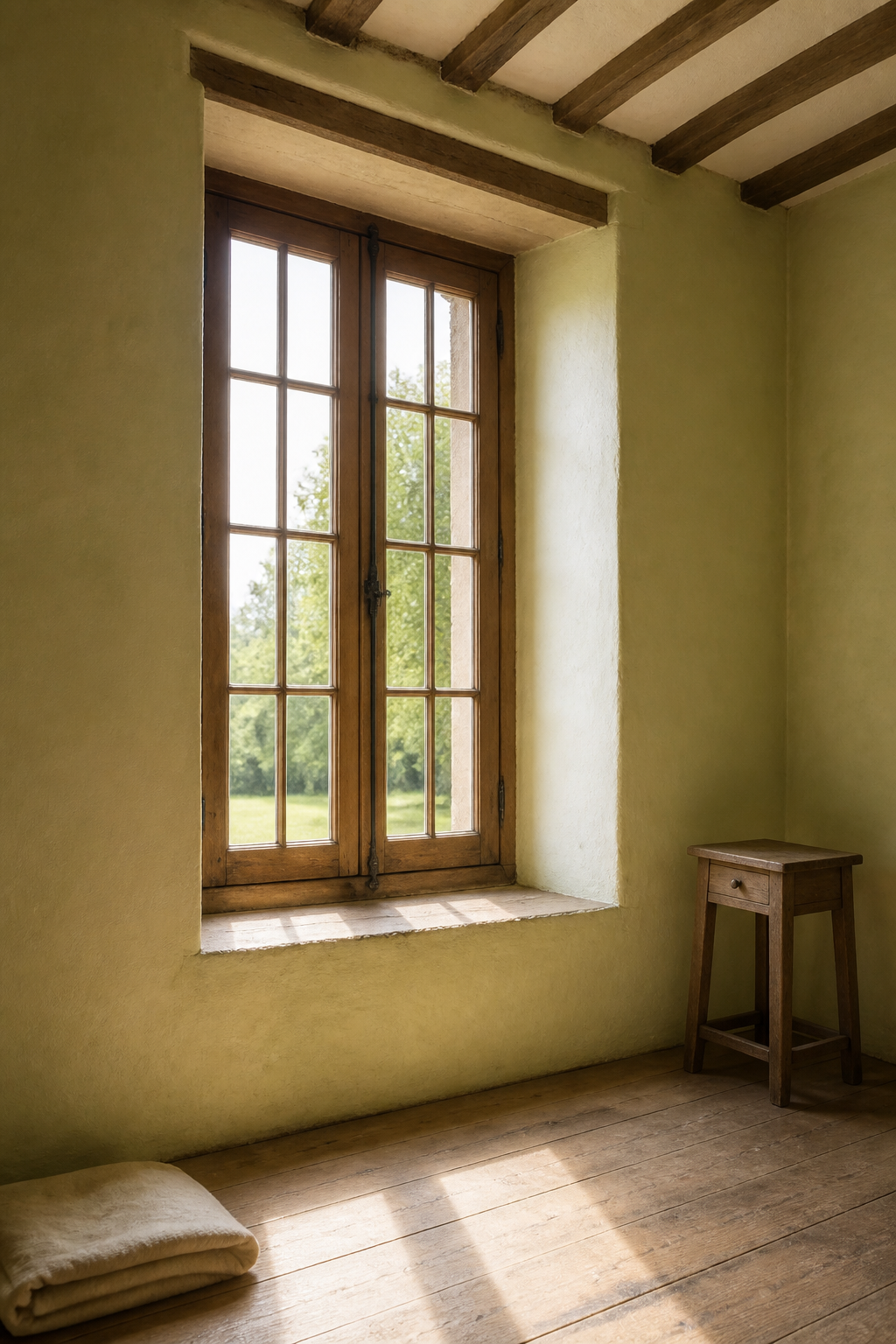
If you care about New Mayapur, the important question is not whether its restored windows look polished. It is whether the work protects the form, atmosphere, and memory of the rooms without making future conservation harder.
That question is especially important in Srila Prabhupada’s private quarters. The woodwork on the original windows in his room and sleeping area has been completed, with the historic profiles and proportions guiding the work. Glazing, hardware care, protective finishing, and discreet weatherproofing are expected to follow. These less visible stages will determine whether the achievement endures.
What is actually being protected at New Mayapur
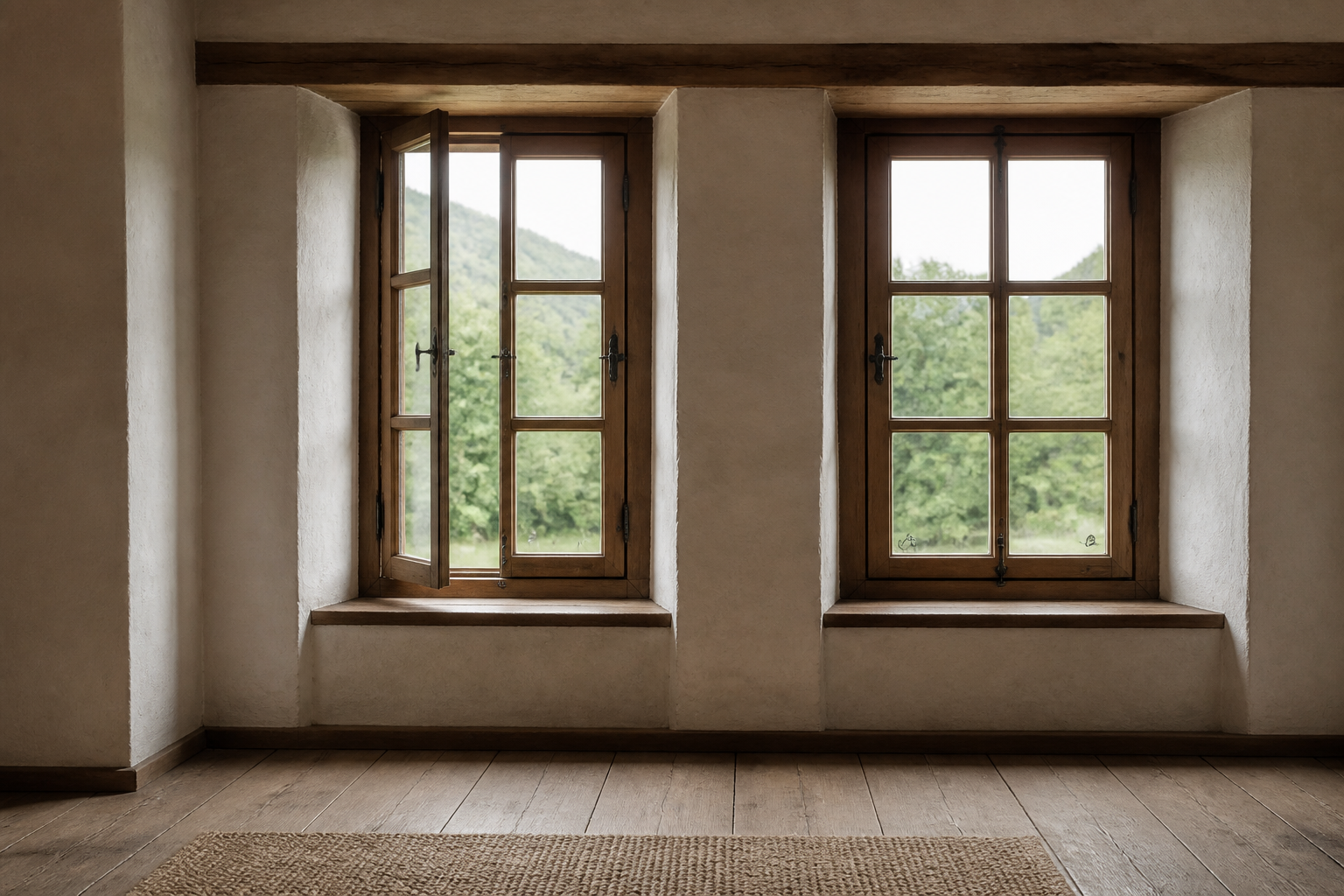
A historic window is not merely an opening that keeps rain out. Its frame depth, moulded profile, proportions, fittings, and relationship to the surrounding architecture help establish how a room feels. Change those elements casually and the room may remain usable while losing part of its historical character.
Location raises the stakes. These windows belong to Srila Prabhupada’s private quarters, including his room and sleeping area. Their importance comes from their place within spaces associated with his presence and daily life, not from ornament alone. A visitor encounters that history through ordinary architectural details: the scale of an opening, the movement of air, the fall of daylight, and the quiet continuity between the windows and the room.
This gives you a practical way to assess the restoration. Do not begin by asking whether the windows appear new. Ask whether they still belong to the architecture around them. Look for continuity in the visible profiles, balanced proportions, and the way each window sits within its opening. A highly polished replacement can be less faithful than a restrained repair that preserves the design language of the room.
The distinction matters because sacred heritage carries more than visual information. It supports memory, contemplation, learning, and bhakti. Once historic character is replaced by a generic modern finish, technical performance alone cannot restore what was lost.
Faithful restoration should preserve continuity, not simulate age
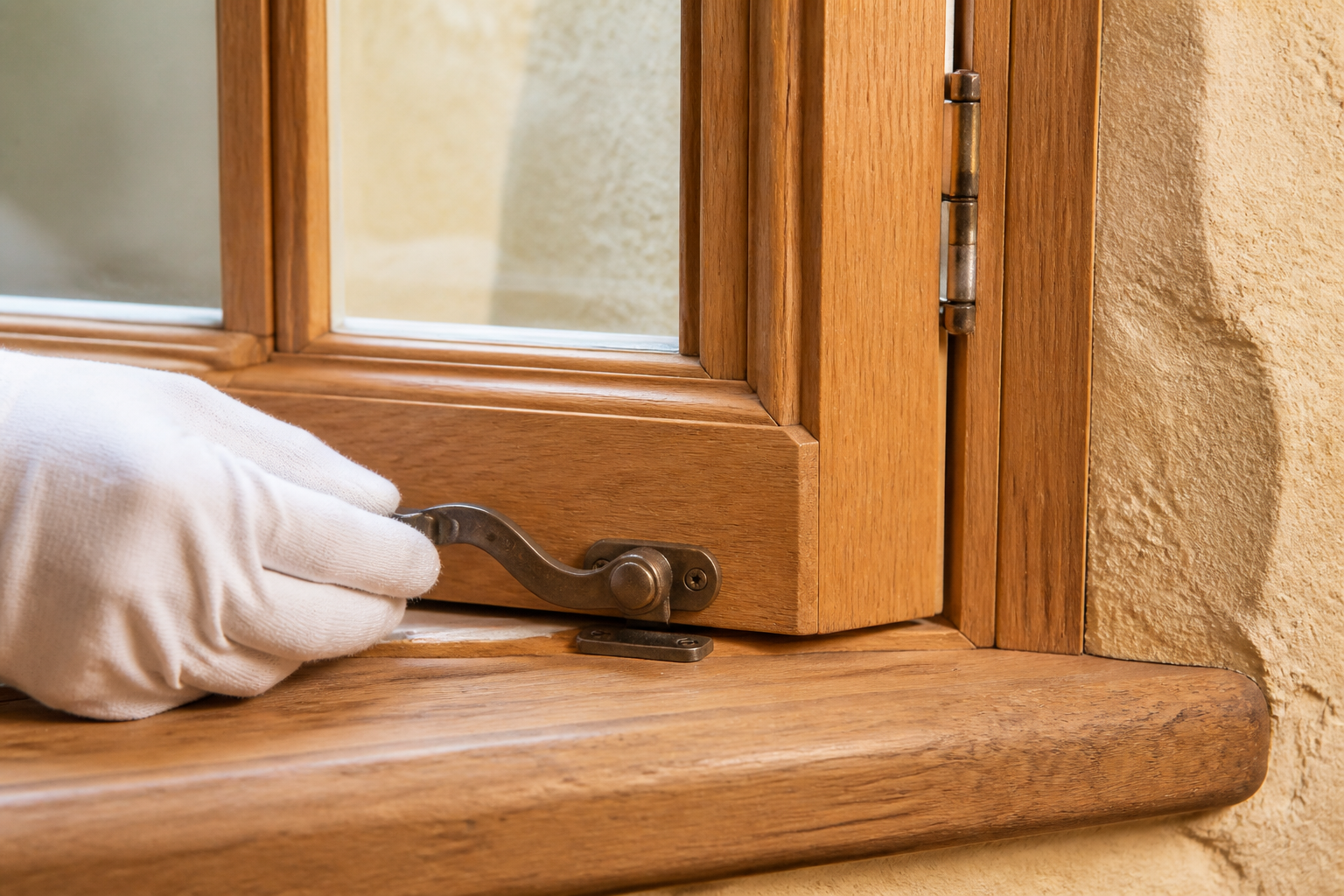
Good conservation does not require a building to remain fragile, nor does it require new work to be artificially aged. It asks for a more disciplined balance: retain the original design, strengthen what needs protection, and avoid changes that compete with the historic fabric.
For New Mayapur’s windows, three tests are more useful than surface appearance:
<!– wp:list {