-
Reviving Srila Prabhupada’s New Mayapur Windows: Preserving Sacred Design and Durability

The restoration of Srila Prabhupada’s original windows at New Mayapur advances with woodwork now completed to match the historic design. The effort preserves authentic profiles and proportions while strengthening long-term durability through conservation-grade methods. Planned next steps include glazing, hardware care, protective finishing, and discreet weatherproofing, all approached with reversible, well-documented techniques. The project sustains…
-
Govind Dev Ji Temple, Jaipur: A Timeless Sanctuary of Krishna Bhakti in City Palace

Govind Dev Ji Temple, set within Jaipur’s City Palace Complex, is a renowned Krishna shrine that blends living worship with cultural heritage. The name “Govind” reflects the intimate bhakti bond between Lord Krishna and devotees, embodied through aarti, kirtan, and daily darshan. Historical patronage by Sawai rulers sustained its rituals and conservation, reinforcing its status…
-
Parashurama Iconography Decoded: Powerful Symbols of Vishnu’s Warrior-Sage Avatar
This article decodes the iconography of Parashurama, Vishnu’s sixth avatar, to reveal how the warrior-sage form unites austerity (tapas) with protective strength (kshatra). Readers learn the meaning of the parashu (axe), bow and arrow, attire, and posture, and how these symbols teach disciplined action aligned with dharma-yuddha. The analysis situates regional motifs such as the…
-
Srivilliputtur’s Sacred Legacy: Andal’s Tamil Nadu Temple City and Vaishnava Devotion

Srivilliputtur in Tamil Nadu stands as a luminous center of Vaishnavism, shaped by the enduring legacies of Periazhwar and Andal. The town’s twin Divya Desams, including the emblematic Nachiyar (Andal) Temple, preserve a living tradition of ritual, architecture, and song. Andal’s Tiruppavai and Nachiyar Tirumoli articulate devotion grounded in love and surrender, inspiring collective recitation…
-
Sacred Footsteps in New Vrindaban: Srila Prabhupada’s Timeless Guidance on Simple Living

Srila Prabhupada’s four visits to New Vrindaban offered ISKCON a practical, enduring blueprint for simple, devotional living. His first month-long stay in 1969 emphasized austere contentment, praising modest lodgings, well water, and fresh milk from “Kaliya,” ISKCON’s first cow. These moments translated the Bhakti Tradition into everyday practice—self-sufficiency, cow protection, and sustainable village life rooted…
-
Rare 1970 ISKCON Footage: Devotees at Sweden’s Midnight Sun Festival near Jönköping

This archival video presents rare 1970 footage of Dhanajaya Prabhu and London-based devotees at Sweden’s Festival of the Midnight Sun near Jönköping. Curated by Mukunda dasa, it documents an early moment in ISKCON’s Scandinavian outreach with unique film clips and photographs. The material offers primary-source insights into devotional practice, cultural exchange, and diaspora dynamics. Viewers…
-
Palani Hill’s Sacred Names: Unveiling Murugan’s Timeless Symbolism and Living Devotion

Palani Hill in Tamil Nadu, closely associated with the Palani Murugan Temple, carries four evocative names—Sivagiri, Saktigiri, Idumban Malai, and Siddhan Vaazhvu—that map a complete path of spiritual ascent. Each name holds distinct symbolism: contemplation and clarity (Sivagiri), balanced energy and compassionate action (Saktigiri), vow and service through the kavadi tradition (Idumban Malai), and lived…
-
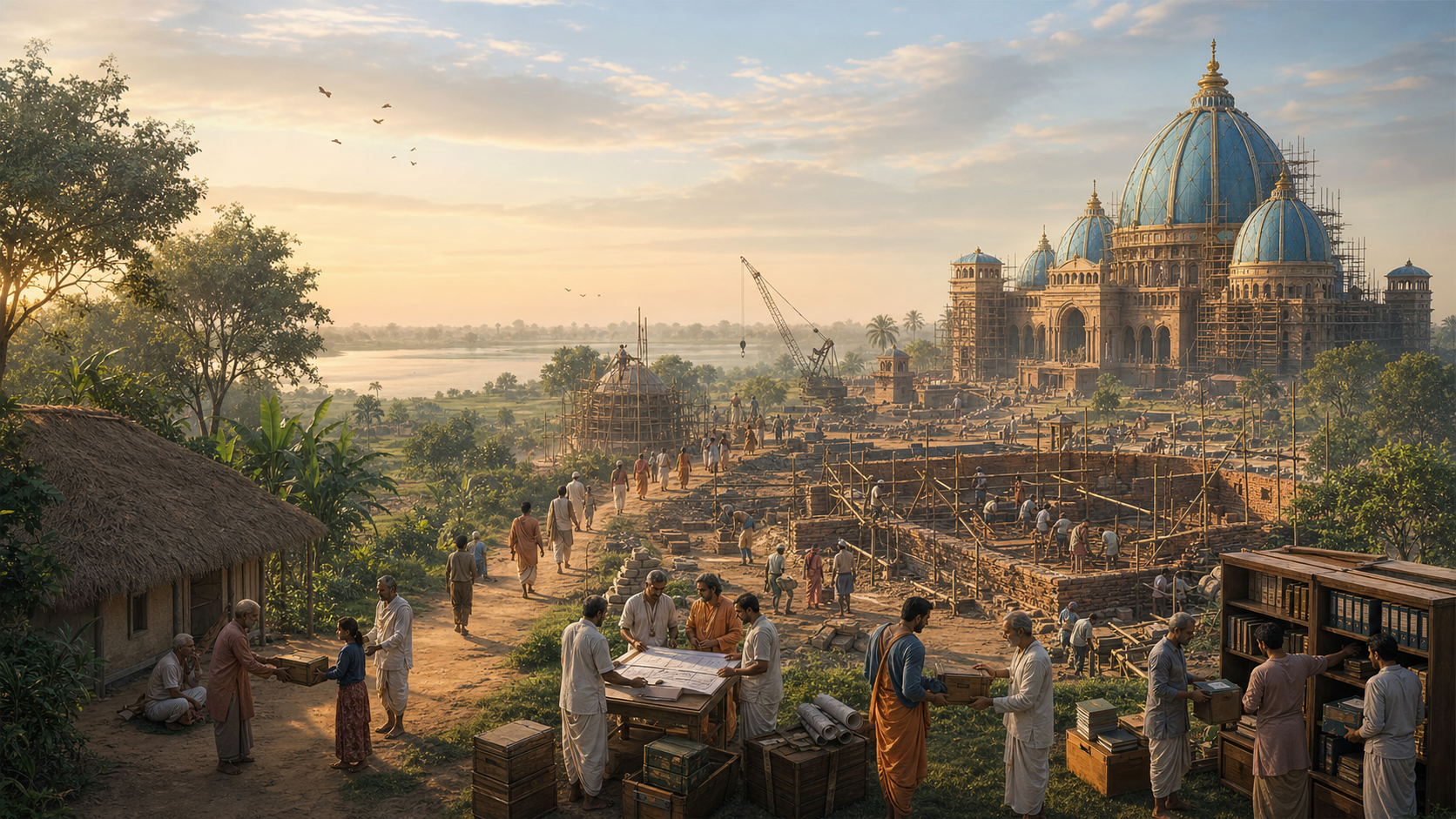
Inside TOVP Progress: November 2025 Main Wing Construction Milestones and Structural Advances

The Temple of the Vedic Planetarium (TOVP) shares a structured November 2025 update on Main Wing construction. Guided by H.G. Braja Vilasa prabhu, the presentation highlights ongoing developments, structural advancements, and clearly defined milestones. The walkthrough emphasizes durability, precision, and quality assurance alongside adherence to the temple’s architectural vision. It serves as a transparent progress…
-
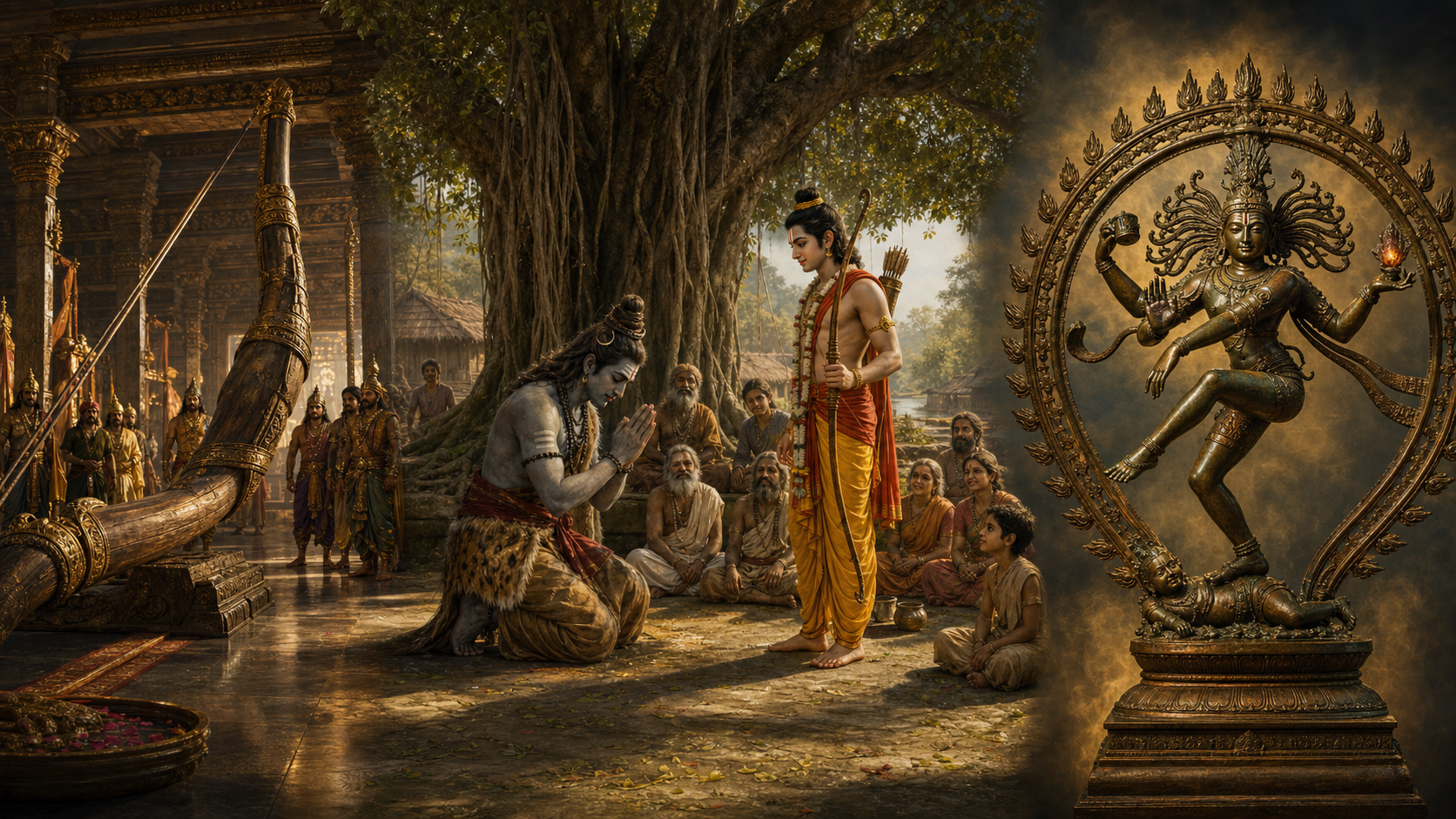
Vilamal Temple’s Amavasai Annabhishekam: A Profound Shiva Ritual of Pithru Tharpanam

Vilamal Temple near Thiruvarur, Tamil Nadu, venerates Lord Shiva as Pathanjali Manoharar and is renowned for performing Annabhishekam on Amavasai rather than the more common Aippasi Pournami. This No Moon observance deepens contemplative focus and harmonizes naturally with Pithru Tharpanam, joining gratitude for sustenance with remembrance of ancestors. Associated with Ajapa Natanam, the temple’s ritual…
-
Decoding Gopurams: Three Awe-Inspiring Gateway Types That Shape South Indian Temple Space

Gopurams—monumental gateways of South Indian temples—shape how devotees and visitors experience sacred space. This article explains three principal types by position and scale: the inner gopuram for quiet orientation, the intermediate gopuram for communal rhythm, and the raja gopuram as a civic and spiritual landmark. Tracing their historical evolution from Chola clarity to Vijayanagara–Nayaka grandeur,…
-
Padma’s Sacred Power: How the Divine Lotus Unites Hindu, Buddhist, Sikh, and Jain Paths

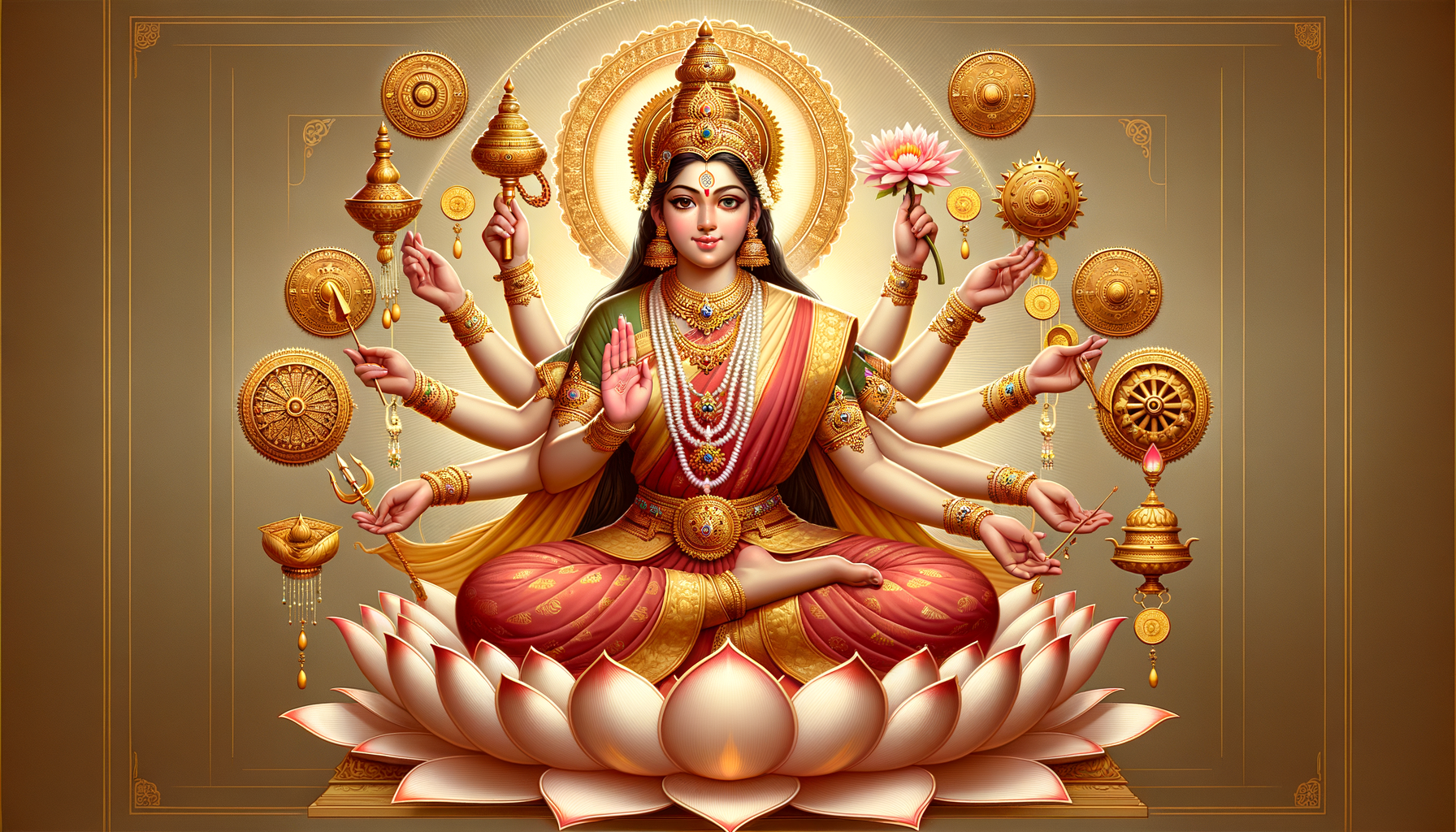
Padma, the divine lotus, is a shared sacred symbol across Hinduism, Buddhism, Sikhism, and Jainism that embodies purity, resilience, and spiritual awakening. In Hindu practice, it serves as the seat of Mata Lakshmi Devi and is offered in puja to Lord Vishnu and Ma Lakshmi, signifying prosperity and auspiciousness. Buddhist teachings present the lotus as…
-
Ghati Subramanya Temple, Karnataka: Awe‑Inspiring Swayambhu Subramanya and Lakshmi Narasimha

Ghati Subramanya Temple near Doddaballapur, about 60 km from Bengaluru, is a renowned Karnataka shrine dedicated to Lord Subramanya. Its Swayambhu (self-originated) Subramanya idol enhances the site’s spiritual significance, complemented by the consecration of Lord Lakshmi Narasimha. The tranquil rural setting and contemplative worship rhythms make the temple ideal for reflective visits and day trips…
-
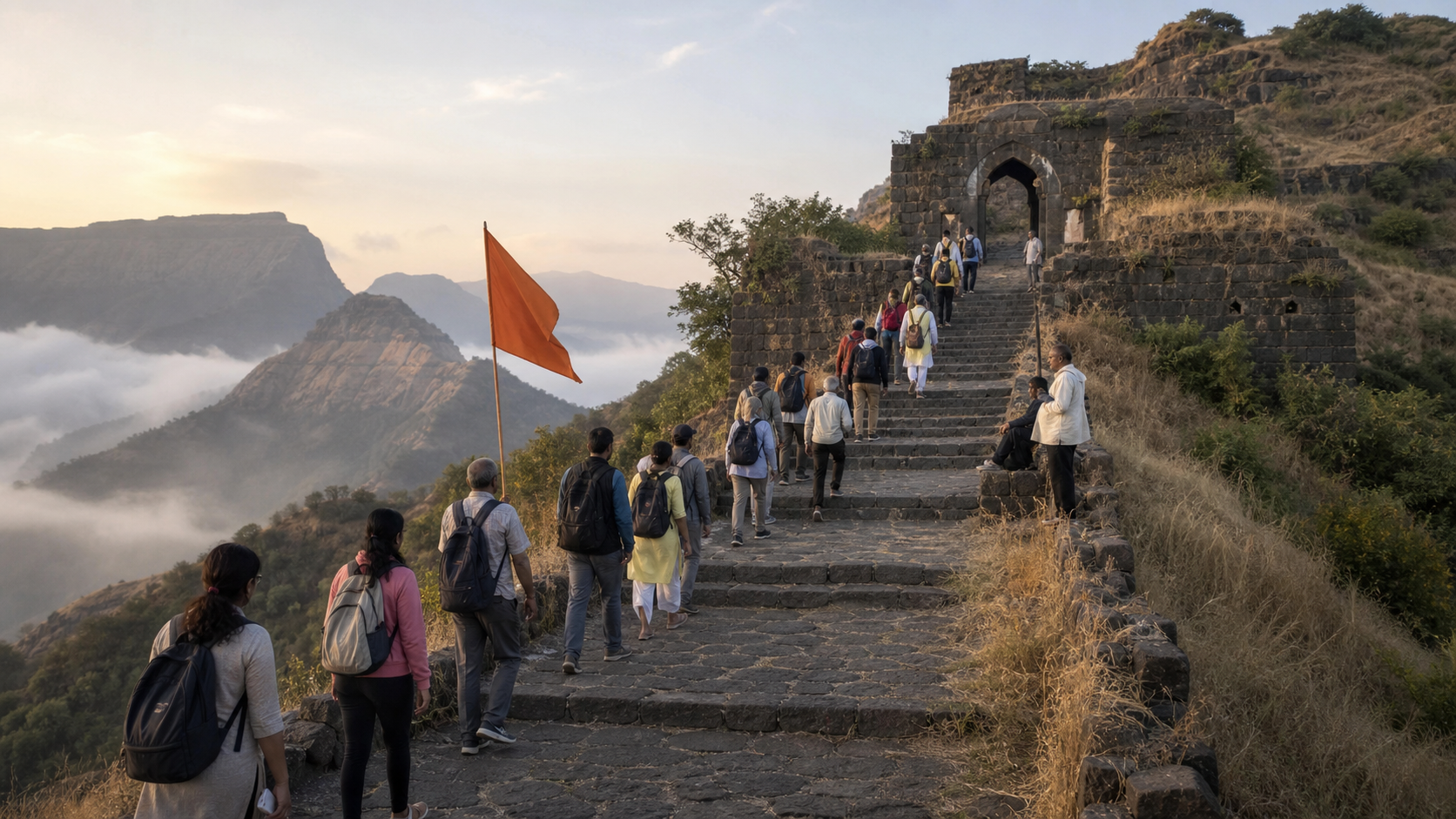
19th Warkari Maha-adhiveshan: Urgent Call to Protect Dharma and Sacred Warkari Heritage

Ahead of the 19th Warkari Maha-adhiveshan, Rashtriya Warkari Parishad and HJS issued a focused call to protect Dharma and the Warkari tradition. The message stresses community-led preservation, intergenerational transmission of knowledge, and respectful dialogue with policymakers. It highlights how Warkari values of bhakti, seva, and humility align with shared dharmic principles across Hinduism, Buddhism, Jainism,…
-
Sacred Meaning Revealed: Why Hands Are Wiped Before Chandikeswarar in Tamil Nadu Shiva Temples

In Tamil Nadu Shiva temples, the hand-wiping gesture before Chandikeswarar is a concise ritual rich in meaning. It signals non-possession, affirming that no temple property is taken after worship. The act also embodies karmasamarpana—offering one’s actions to Shiva—by symbolically removing the residue of ego. Rooted in Shaiva Siddhanta and Agamic practice, the custom complements broader…
-
Pushpaka Vimana: Legendary Flying Chariot in Vedas, Puranas, Ramayana—and a Unifying Vision

Pushpaka Vimana, the most renowned among ancient vimanas, is presented in Hindu scriptures—especially the Ramayana and Puranas—as a radiant aerial chariot bound to dharma. Traditionally linked to Lord Kubera and later seized by Ravana, it ultimately returns Sri Rama, Sita, and Lakshmana to Ayodhya, symbolizing moral restoration. Descriptions emphasize inclusivity and immense capacity, reinforcing ideals…
-
Babruvahana and Arjuna: A Powerful Mahabharata Tale of Duty, Defeat, and Redemption in Manipur

This retelling of the Babruvahana Katha presents a clear, academically grounded account of how Babruvahana defeated Arjuna during the Ashvamedha Yajna in Manipur. It explains the roles of Chitrangada and Ulupi, the ethical framework of Kshatra-dharma, and why the confrontation was necessary in certain recensions. Readers gain clarity on the specific question, “How did Babruvahana…