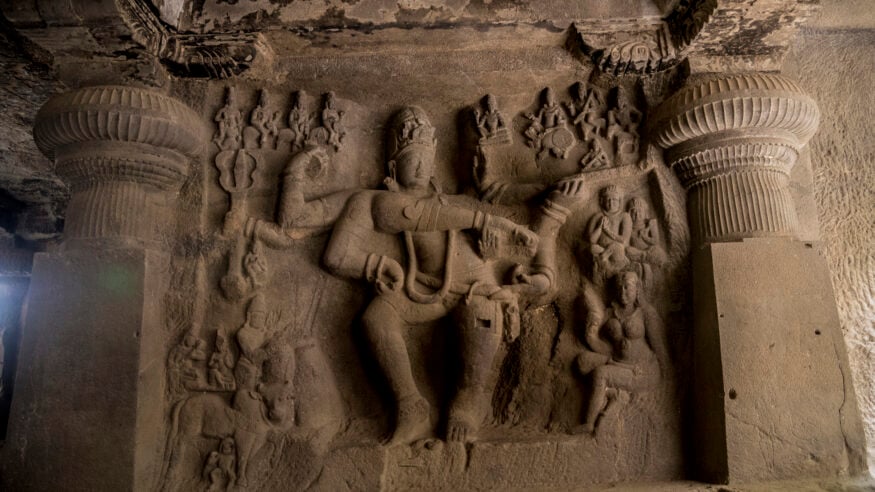
Sri Bugga Ramalingeshwara Swamy Temple, popularly known as the Bugga Rameshwaram Temple, is a revered Shiva shrine situated in Bugga Rameshwaram village, approximately 6 km from Vikarabad and 7 km from Ananthagiri Hills in the Vikarabad district of Telangana. Recognized as one of the older temples in the region, it is valued for its spiritual atmosphere, serene landscape, and proximity to forested hill slopes.
The temple’s name, Ramalingeshwara, evokes a pan-Indian bhakti memory in which Sri Rama’s devotion to Shiva is honored, underscoring the continuity of dharmic worship practices over centuries. While documentary details are limited in the public domain, the site’s uninterrupted devotional life and local reverence position it as a living heritage landmark that preserves regional faith traditions.
Set amid a quiet village landscape not far from Ananthagiri Hills, the temple offers a contemplative setting that appeals to pilgrims and nature-loving visitors alike. The ambiancemarked by rustling groves, seasonal greenery, and open skiesenhances the experience of darshan and meditation, allowing visitors to balance pilgrimage with moments of reflective stillness.
Devotional activity at the shrine centers on Lord Shiva and typically observes key festivals such as Maha Shivaratri and the auspicious Karthika masam. On such occasions, devotees light lamps, offer prayers, and engage in dhyana and seva, practices that highlight the shared ethical and contemplative values of the broader dharmic family.
Visitor accounts frequently note a sense of calm and spiritual clarity within the precincts, especially during early morning or twilight hours. The temple’s location makes it convenient to pair a visit with a nature excursion to Ananthagiri Hills, enriching both spiritual and ecological appreciation. Respectful conductmodest attire, soft speech, and mindful photographysupports the sanctity of the space and the comfort of fellow pilgrims.
The temple’s inclusive ethos resonates with the unifying principles shared across Hinduism, Buddhism, Jainism, and Sikhismnamely reverence for truth, compassion, self-discipline, and inner transformation. In this light, Sri Bugga Ramalingeshwara Swamy Temple stands as a welcoming sacred space where seekers from diverse dharmic paths can reflect, offer gratitude, and deepen their commitment to harmonious living.
Practical guidance for visitors includes approaching the temple by road from Vikarabad, with local signboards and community directions typically sufficient for wayfinding. The best experience is often reported outside peak heat hours, with monsoon and post-monsoon months adding lush vistas to the journey. During major festivals, early arrival helps avoid crowds and ensures unhurried darshan.
Overall, the Bugga Rameshwaram Temple offers a balanced experiencehistoric continuity, devotional depth, and natural beautymaking it a meaningful stop for pilgrims, heritage enthusiasts, and travelers seeking contemplative spaces in Telangana’s cultural landscape.
Inspired by this post on Hindu Pad.