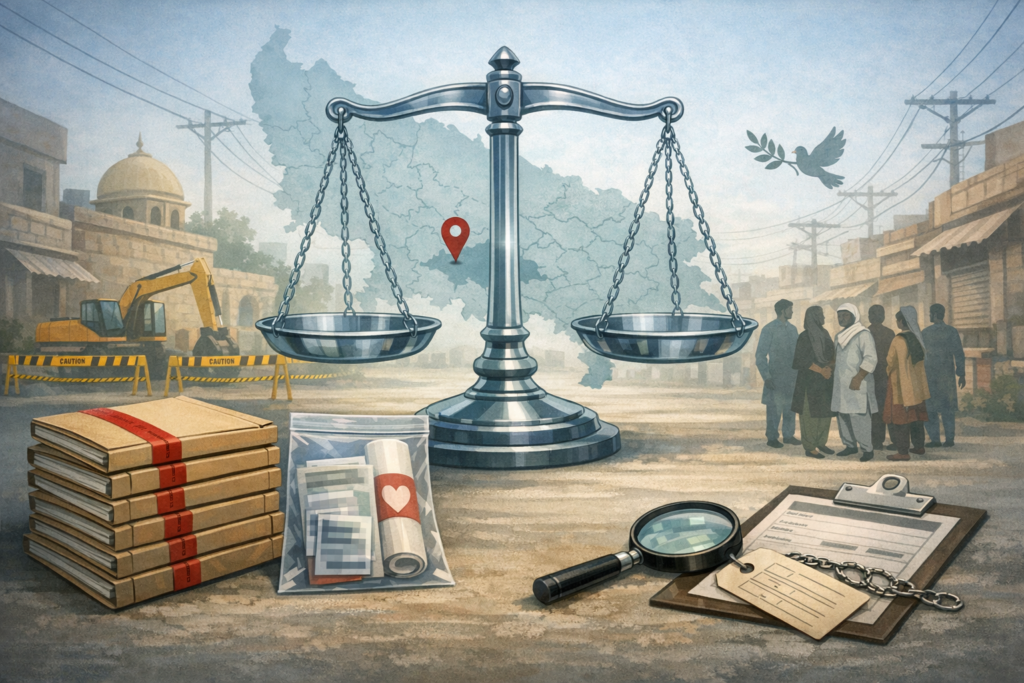
In the Tamil Nadu Assembly on Tuesday, DMK (Dravida Munnetra Kazhagam) leader and MLA Udhayanidhi Stalin again advanced an explicitly anti-‘Sanatan’ position, drawing strong public reactions and renewing a national debate on Sanatan Dharma, religious freedom, and constitutional ethics. The controversy has rapidly become a proxy for broader questions about pluralism, political discourse, and the bounds of critique in a diverse democracy.
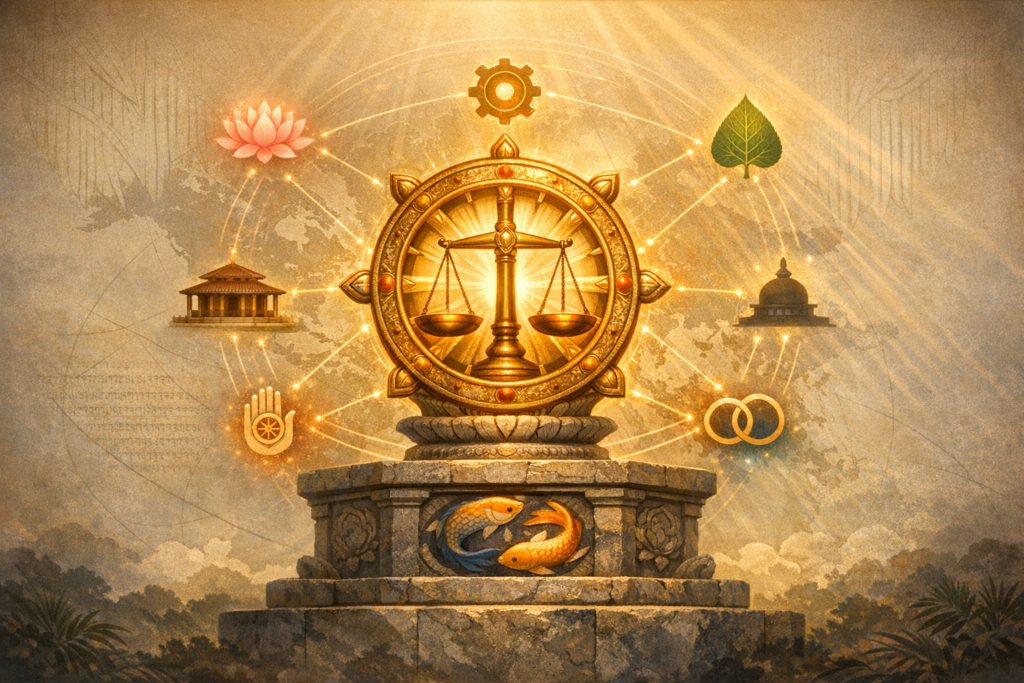
Situated within India’s constitutional framework and civilizational ethos, the episode invites careful analysis across three dimensions: first, the historical-philosophical meaning of Sanatan Dharma within the Dharmic family (Hinduism, Buddhism, Jainism, Sikhism); second, the legal contours of speech and religion (Articles 19 and 25–28 of the Constitution of India, and Article 194 on legislative privilege); and third, the social implications of polarizing rhetoric for trust, unity in diversity, and interfaith harmony.
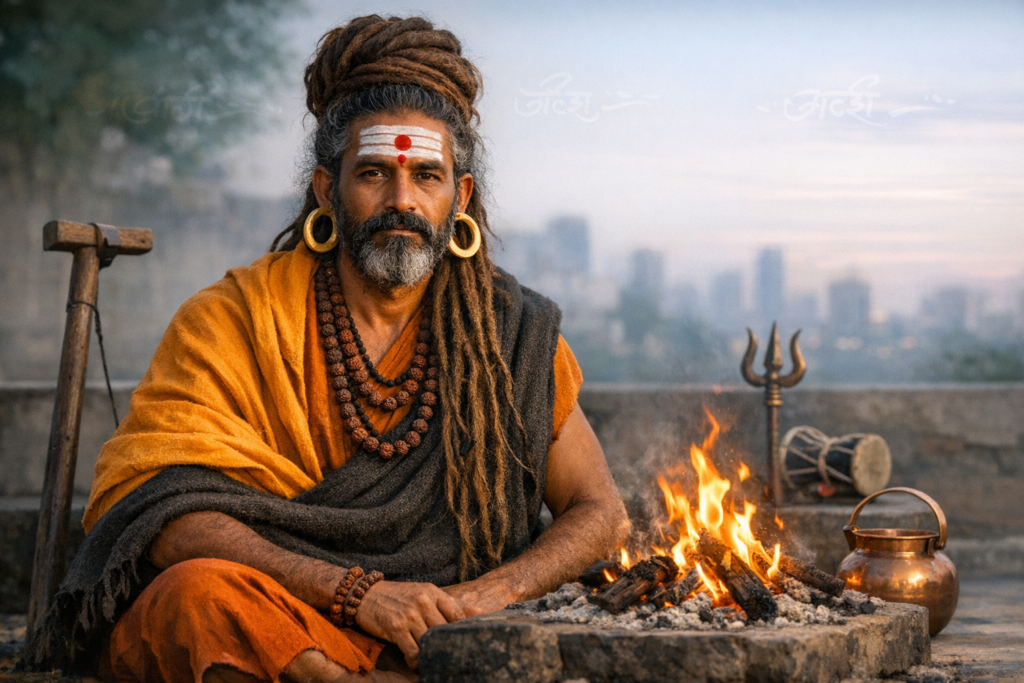
Sanatan Dharma, literally “the eternal dharma,” is not a single sect or institution but a civilizational matrix that has historically accommodated multiple darshanas (philosophical schools), ritual practices, and reform movements. It includes Vedic, Upanishadic, Bhakti, Tantra, Smarta, and numerous regional traditions. As a living framework rather than a rigid creed, Sanatan Dharma has long coexisted with related Dharmic traditions—Buddhism, Jainism, and Sikhism—through shared values such as ahimsa (non-violence), karuna (compassion), daya (care), and seva (service). Characterizing this plural civilizational inheritance as something to be “eradicated” collapses distinctions between specific social evils and the broader, inclusive religious-philosophical tapestry that underpins much of South Asian life.
The political context also matters. Dravidian ideology, within which the DMK is situated, has historically emphasized rationalism and a principled opposition to caste discrimination and social exclusion. There is a legitimate and constitutionally protected space for sharp critique of casteism and social hierarchies; however, calls framed as eliminating “Sanatan” risk conflating reformist objectives with an attack on religious identity. Responsible public discourse distinguishes between eradicating discrimination and denigrating a faith tradition; the former is a constitutional imperative, while the latter undermines the very pluralism the Constitution safeguards.
India’s Constitution protects freedom of speech under Article 19(1)(a) while permitting reasonable restrictions under Article 19(2) in the interests of public order, morality, and other enumerated grounds. Article 194 affords legislators freedom of speech within state assemblies, subject to the Constitution and the rules of the House. These protections are robust but not unbounded; they presuppose adherence to constitutional morality and a duty to avoid language that incites division or targets communities for delegitimization.
Freedom of religion is guaranteed under Articles 25–28, which enshrine the freedom of conscience and the right to profess, practice, and propagate religion, subject to public order, morality, and health. In this framework, rhetoric that is read as advocating the “eradication” of a religion—or of an entire civilizational tradition like Sanatan Dharma—sits in sharp tension with constitutional commitments. The principle is clear: the state and its representatives must safeguard the free exercise of belief while addressing social ills through law, policy, and dialogue rather than civilizational negation.
Indian jurisprudence has repeatedly urged a high bar for restricting speech, while drawing a line at vilification that threatens public order. In notable decisions concerning hate speech and public order, courts have distinguished between robust, even caustic critique of ideas and incitement or dehumanization of communities. The consistent thread is that reformist speech aimed at dismantling discrimination is protected, whereas language that normalizes hostility toward a faith or its adherents risks crossing constitutional limits.
The human impact of such rhetoric is immediate. For many who identify with Sanatan Dharma, calls to eliminate “Sanatan” are experienced as an erasure of identity, tradition, and belonging. For many reform-minded citizens, anger toward persistent social injustices fuels impatience with slow change. Bridging this divide requires empathy and precision: condemn the wrongs without condemning the religious inheritance that also contains within it abundant resources for self-correction and reform.
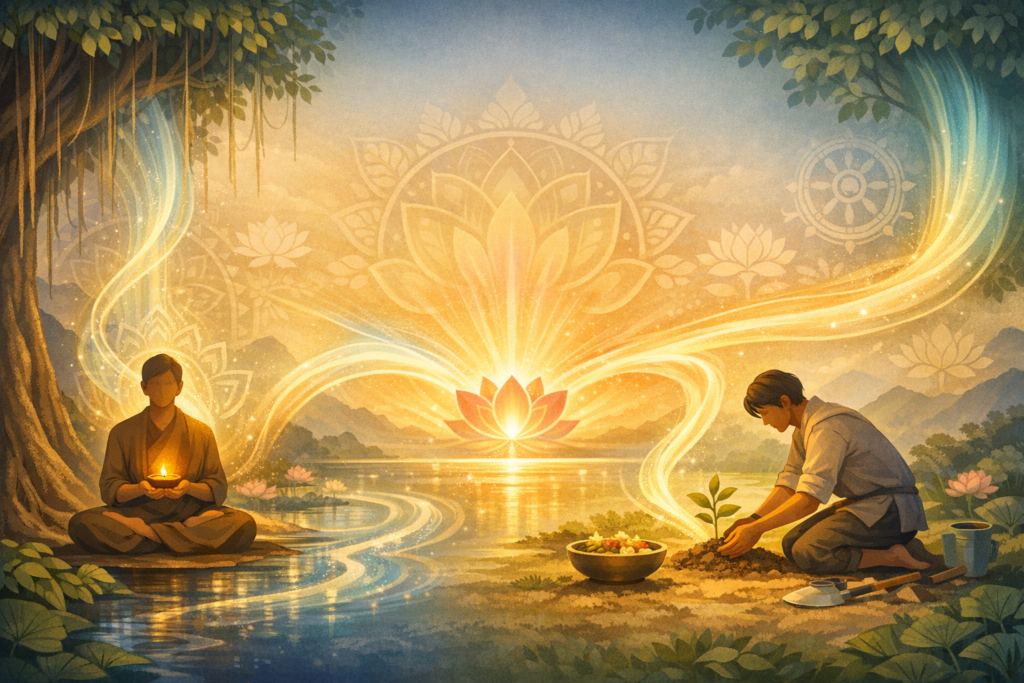
India’s Dharmic traditions offer concepts and practices that can guide a constructive response. Anekantavada in Jainism teaches the many-sidedness of truth; in Sikh tradition, sarbat da bhala (the welfare of all) centers universal goodwill; Buddhism emphasizes karuna as a social ethic; and in Hindu thought, Ishta affirms that individuals may approach the ultimate through diverse legitimate paths. Together with the civilizational ideal of Vasudhaiva Kutumbakam (“the world is one family”), these principles can turn political conflict into an opportunity for deeper unity across Hindu, Buddhist, Jain, and Sikh communities.
There is also an institutional path forward. State assemblies and political parties can revisit codes of conduct for public representatives to reinforce constitutional literacy, emphasize de-escalatory language, and institute swift, non-partisan responses when rhetoric appears to target a community. An all-party resolution reaffirming Article 25 and India’s commitment to religious pluralism would set a powerful precedent.
Media and digital platforms have a parallel responsibility. Publishing full, verified transcripts; contextualizing clips; and amplifying conciliatory voices can reduce the cycle of outrage. Nuanced reporting that foregrounds constitutional principles and lived experiences—rather than only sensational moments—helps citizens evaluate claims without fueling polarization.
Civil society, universities, and faith institutions can deepen bridges through interfaith and intrafaith dialogues that place reform and inclusion at the center. Structured forums that bring together Dharmic scholars, community leaders, and youth can surface shared values and practical reforms: anti-discrimination initiatives, equal access to temples and institutions, and community-driven social audits that honor both social justice and religious freedom.
Education is decisive. Curricular approaches that clearly distinguish between condemning discriminatory practices and denigrating religions will foster constitutional reasoning and civic empathy. Teaching the plurality within Sanatan Dharma and the shared ethical core across Dharmic traditions can inoculate future leaders against zero-sum framings.
A constructive reframing is readily available: India must relentlessly eradicate untouchability, discrimination, and violence—not religions or civilizational lineages. Reformist energy, when paired with constitutional fidelity and cultural literacy, can catalyze inclusive progress without sacrificing social cohesion.
A practical de-escalation sequence would include: an unambiguous affirmation by public representatives of Article 25; clarification that opposition targets discriminatory practices, not faiths; outreach to Dharmic communities acknowledging the hurt caused; and a cross-faith council tasked with proposing time-bound, measurable reforms that advance equality while upholding religious freedom.
Ultimately, this moment tests India’s capacity to hold two imperatives together: uncompromising reform against injustice and uncompromising protection of conscience. Sanatan Dharma’s plural strands, and the wider Dharmic ethos, have long supported both self-critique and coexistence. The surest response to polarizing rhetoric in the Tamil Nadu Assembly is a renewed, nation-wide commitment to constitutional pluralism, interfaith respect, and unity in diversity.
Inspired by this post on Hindu Jagruti Samiti.