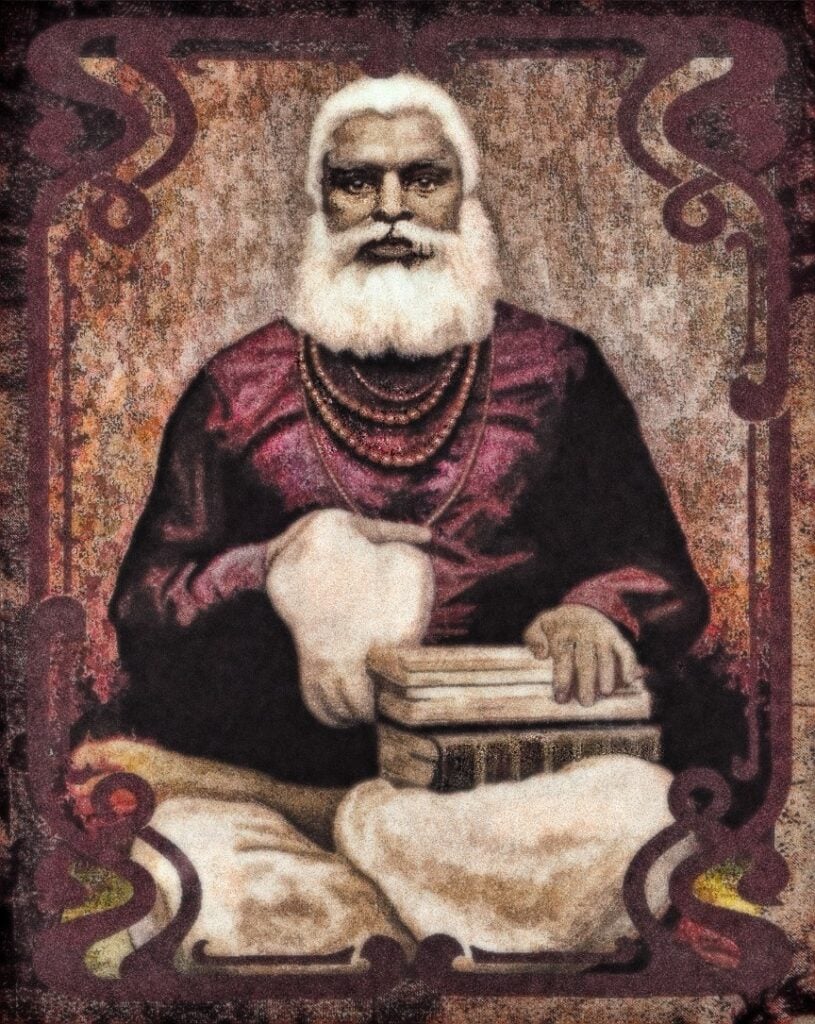
On Swamiji’s 163rd birth anniversary, the Prajashakti Party (Samadarshi) announced its formal political entry in West Bengal, positioning itself as a new stakeholder ahead of the 2026 Assembly elections. The launch, reported from Kalyani, West Bengal, signals an intent to engage voters through a platform grounded in cultural values while participating within India’s constitutional and democratic framework.
The timing is symbolic. Swami Vivekananda’s legacyoften invoked as a compass for public service, youth empowerment, and ethical leadershipresonates deeply across Bengal. For many residents, commemorations of Swamiji’s life evoke a sense of shared purpose that bridges communities. Framed against this backdrop, the party’s debut seeks to align civic renewal with a dharmic ethos that affirms unity among Hinduism, Buddhism, Jainism, and Sikhism, emphasizing pluralism, social harmony, and constitutional citizenship.
In a politically competitive landscape, a new entrant can recalibrate discourse and voter coalitions. West Bengal’s path to 2026 is likely to be shaped by debates on development, jobs, social welfare, law and order, and cultural heritage. Observers note that smaller parties often influence narratives by spotlighting local issues and mobilizing first-time votersparticularly youthwho are drawn to ethical appeals and solutions-oriented messaging.
Positioning on cultural identity will attract attention, yet electoral durability depends on policy clarity and inclusive outreach. Evidence from past state contests suggests that sustainable growth in vote share requires credible candidates, grassroots organization, and a unifying rhetoric that respects diversity. In this regard, the party’s articulation of dharmic values can serve as a constructive civic language when it underscores inter-sect respect, dialogue, and social cohesion across communities.
For many families in Bengal, public life is experienced through everyday needsreliable public services, educational opportunity, and dignified livelihoods. When political platforms connect cultural memory with practical governanceclean streets, safe neighborhoods, fair welfare deliverythe result is greater public trust. Voters tend to respond to messages that combine ethical clarity with inclusive policy commitments and measurable outcomes.
The debut also reopens a long-standing conversation about how religious and cultural heritage can inspire civic virtues without fostering division. Swami Vivekananda’s message of service, strength, and universal fellowship provides an academic and ethical reference point: it encourages communities to uphold self-confidence while embracing the unity of India’s dharmic traditions. This approach aligns cultural pride with a commitment to peace, compassion, and democratic responsibility.
Key indicators to watch before 2026 include candidate selection, organizational depth across districts, youth and women’s outreach, coalition arithmetic, and the party’s stance on governance benchmarkseducation, employment, public health, and local infrastructure. Transparent communication, data-driven proposals, and collaborative civic initiatives will determine whether Prajashakti Party (Samadarshi) becomes a meaningful node in West Bengal’s evolving political network.
Ultimately, electoral contests in Bengal are strongest when public debate remains civil, evidence-based, and inclusive. If new entrants channel Swamiji’s spirit of fearlessness and service toward social harmony and inter-dharmic unity, they can contribute to a healthier democratic conversationone that honors Bengal’s cultural heritage while addressing the urgent needs of its people.
Inspired by this post on Struggle for Hindu Existence.