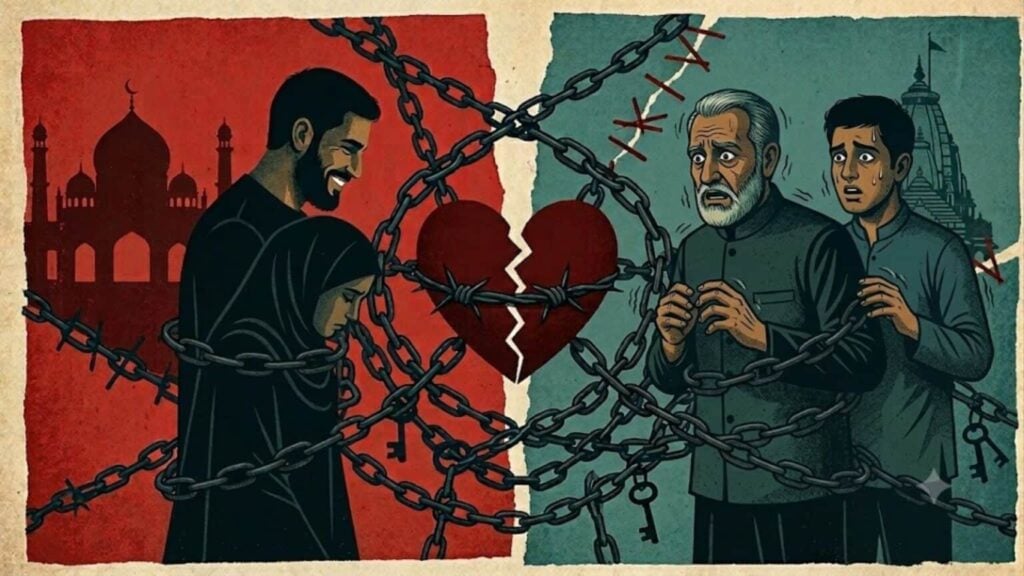
Within a 24-hour period in mid-January 2026, two Hindu individuals reportedly died in separate incidents in Bangladesh, intensifying concern within minority communities and prompting renewed appeals for protection, accountability, and communal harmony. Early reports name the victims as Samir Das and Pralay Chaki, with circumstances under investigation. While details continue to emerge, the sequence of events has heightened anxiety among Bangladeshi Hindus and drawn attention from human rights observers and civil society groups.
The immediate impact has been palpable at the neighborhood level. Community members report increased reluctance to travel after dusk, reduced attendance at temples, and heightened vigilance around schools and marketplaces. Such behavioral shifts indicate not only grief and fear but also a broader erosion of confidence in everyday safety, a concern that merits a swift and transparent response grounded in the rule of law.
Bangladesh’s constitutional commitment to protect minorities provides an essential legal framework. In moments like these, consistent enforcementrapid, impartial investigations; credible prosecutions; and visible community policingcan deter further violence and restore trust. Strengthening coordination between law enforcement and local leaders, accompanied by clear public communication, helps prevent rumor-driven escalation and reinforces the legitimacy of institutions.
Across South Asia’s shared civilizational fabric, Dharmic communitiesHindu, Buddhist, Jain, and Sikhemphasize nonviolence, dignity, and compassion. These principles, held in common, underscore a constructive path forward: collective appeals for calm, interfaith solidarity, and support for those affected irrespective of identity. In this spirit, faith leaders and civic organizations can facilitate dialogue circles, conflict de-escalation training, and neighborhood safety protocols that include all residents.
Maintaining communal harmony also depends on responsible information practices. Media outlets and social platforms can mitigate harm by verifying facts before amplification, avoiding incendiary framing, and centering survivor and community safety. Similarly, civil society networks can document incidents methodically, provide legal aid where needed, and share helplines and counseling resources without sensationalism or partisanship.
Policy measures tailored to local realities remain critical. Practical steps include dedicated minority liaison units within police stations, rapid response teams for threats to places of worship, improved street lighting and CCTV in vulnerable areas, and community hotlines staffed with multilingual responders. Periodic public briefings from authoritiesbacked by databuild credibility and reassure affected communities that their security concerns are being taken seriously.
Ultimately, preventing recurrence hinges on a sustained focus: timely justice for victims, protection of fundamental rights, and the cultivation of interfaith trust. When institutions act decisively and communities stand together, fear gives way to resilience. In moments of grief, the most powerful response is a united affirmation of human dignityone that upholds safety for Bangladeshi Hindus and strengthens the bonds of coexistence for all.
Inspired by this post on Struggle for Hindu Existence.