Nishachar Thakuralso known locally as Nilkundafigures in the living oral tradition of Jamirta, Sirajganj (Bangladesh) as the headless attendant of the Mahakal Bhairav form of Shiva. The legend is remembered most vividly during Kali Puja, when Goddess Kali is worshipped with special devotion on the new moon night (Amavasya) of the month of Agrahayan. Within this riverine landscape, the narrative intertwines devotion, protection, and community memory.
On the banks of a quiet river in Jamirta stands the temple of Paglanath, a focal site for local practice and storytelling. According to local oral history, Nishachar Thakur safeguards the precincts as an attendant to Mahakal Bhairav, embodying vigilant service without personal claim to recognition. The name variantsNishachar Thakur or Nilkundacirculate in village accounts, situating the figure both in mythic time and in contemporary ritual life.
The “headless” attribute is often interpreted symbolically by devotees and scholars alike as the removal of ego and the primacy of duty. In this reading, the attendant’s form communicates selfless guardianship, aligning with broader dharmic ideals of seva, courage, and ethical restraint. Such symbolism deepens the devotional frame without requiring historical literalism, allowing the story to function as moral instruction and communal memory.
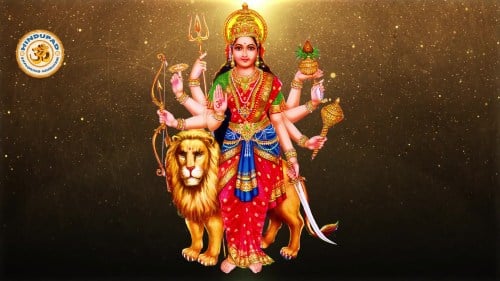
During Kali Puja on Agrahayan Amavasya, families gather to offer worship, recite prayers, and observe silence as the new moon rises. Within this setting, invocations to Mahakal Bhairav emphasize protection, discipline, and fearlessness, while offerings to Goddess Kali mark the transformative power of Shakti. The atmospherelamps, quiet recitation, and collective observancenurtures a sense of continuity and shared cultural heritage.
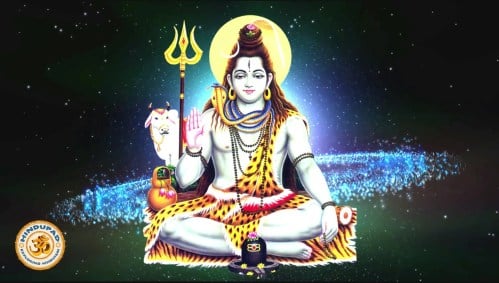
Mahakal Bhairav, as a form of Shiva, stands in local remembrance as both protector and boundary-keeper, complementing Kali’s fierce compassion. The presence of Nishachar Thakur as attendant underscores the relational structure of sacred guardianship: Shakti, Shiva, and the vigilant sevak whose role is to serve and shield. This triadic imagination resonates strongly within Bengali traditions that value courageous devotion guided by ethical purpose.
Jamirta’s setting in Bangladesh lends the narrative a distinctive cultural and historical texture. The month of Agrahayan coincides with late autumn, a season of harvest and renewal, and the Amavasya night carries special potency for Kali worship across Bengal. In this milieu, the Paglanath temple functions as a repository of intangible heritage, where ritual practice, local memory, and communal identity converge.
Viewed within the larger family of dharmic traditionsHinduism, Buddhism, Jainism, and Sikhismthe moral of egoless service and compassionate vigilance finds thematic parallels. While ritual forms differ, the underlying values of courage, self-discipline, and community welfare are widely affirmed. This shared ethical ground strengthens social harmony, inviting mutual respect and learning across diverse paths in the dharmic spectrum.
Preservation of such oral histories benefits from careful documentation that honors community voices and avoids sensationalism. Responsible retellinggrounded in local testimony and respectful interpretationhelps safeguard cultural memory while supporting the living practices that give the narrative meaning. In Jamirta, the remembrance of Nishachar Thakur, Mahakal Bhairav, and Kali Puja on Agrahayan Amavasya continues to inspire courage, humility, and unity.
Inspired by this post on Hindu Blog.