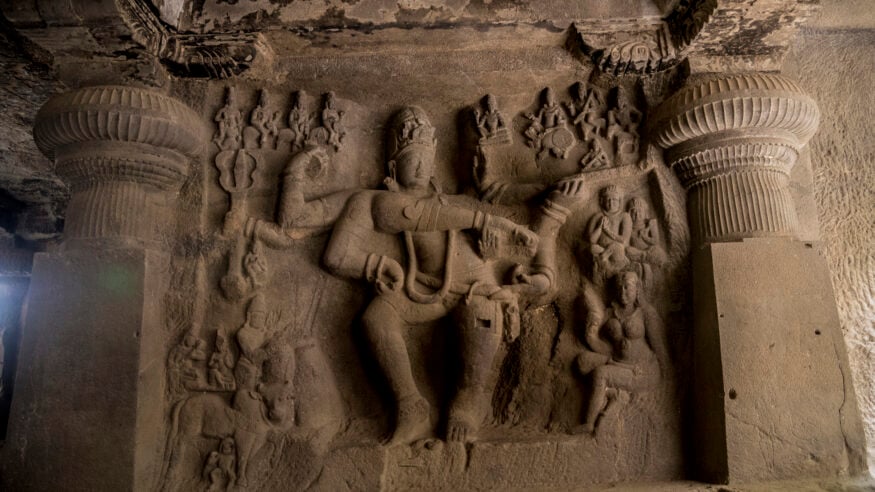
Isannapally Kalabhairava Temple stands in Isannapally village of Bhiknur Mandal, Kamareddy District, Telangana, and is widely regarded for its spiritual presence and cultural significance. Revered locally and beyond, it is often compared in popular esteem to the Kashi Kalabhairava Temple, drawing devotees who seek protection, discipline, and inner courage from Kalabhairava’s grace.
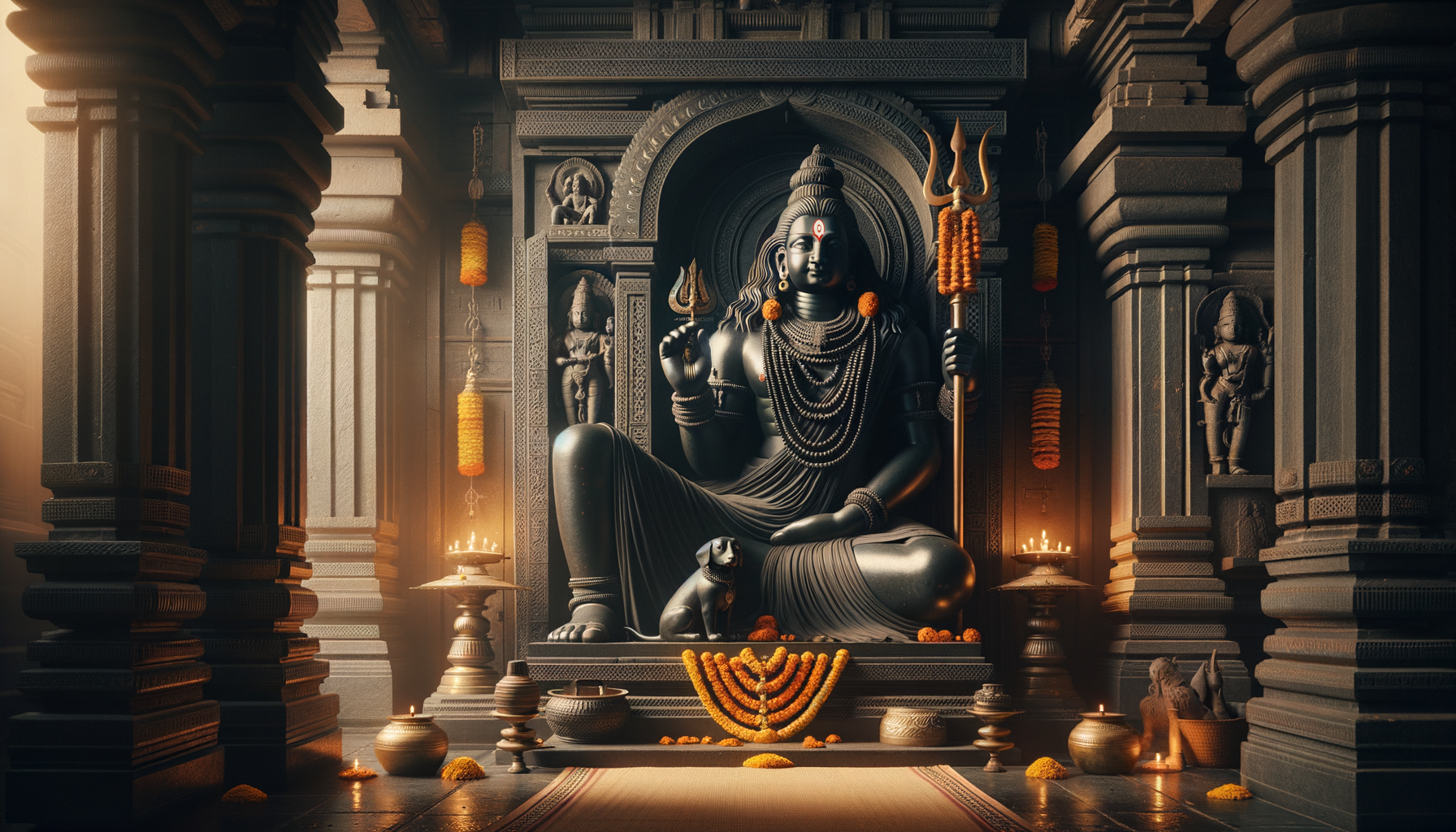
The sanctum features an awe-inspiring 8‑feet tall icon of Digambara Kalabhairava Swamy, accompanied by the faithful dog vahana, a symbol of vigilance and loyalty. The scale and iconography communicate Kalabhairava’s guardianshiptime-conscious, truth-affirming, and unyielding toward adharmawhile remaining compassionate to seekers on the path of dharma.
Local tradition places the current idol of Sri Kalabhairav to the 16th century, situating the temple within a vital period of regional temple-building and Shaivite devotion. While the precise historical narrative requires further epigraphic study, the continuity of worship, oral histories, and ritual practice strongly attest to the site’s long-standing heritage within Telangana’s temple landscape.
Visitors frequently describe a palpable solemnity upon entering the shrine, noting the serene yet formidable presence of Kalabhairava. The temple offers a reflective environment for meditation, japa, and prayer, allowing devotees to contemplate impermanence (kala), moral clarity, and disciplined livingcore motifs central to Shaivism and resonant across broader Indian philosophical traditions.
As a living heritage site, Isannapally Kalabhairava Temple also reflects values shared across dharmic traditionsethical conduct, self-mastery, compassion, and reverence for sacred spacesfostering unity among Hinduism, Buddhism, Jainism, and Sikhism. The symbolism of watchfulness and responsibility embodied by the dog vahana aligns with the dharmic emphasis on mindful action and communal harmony.
Situated near Bhiknur, the temple naturally fits into Kamareddy district pilgrimage circuits in Telangana. Devotees travelling across the region often include this shrine alongside other Shaivite and regional temples, appreciating both its spiritual depth and its contribution to local cultural identity.
Safeguarding this legacy requires continued attention to documentation, conservation, and community-led stewardship. Sustained care strengthens not only a place of worship but also a shared cultural inheritancesupporting intergenerational learning, respectful pilgrimage, and the unity of dharmic values in contemporary life.
Inspired by this post on Hindu Pad.