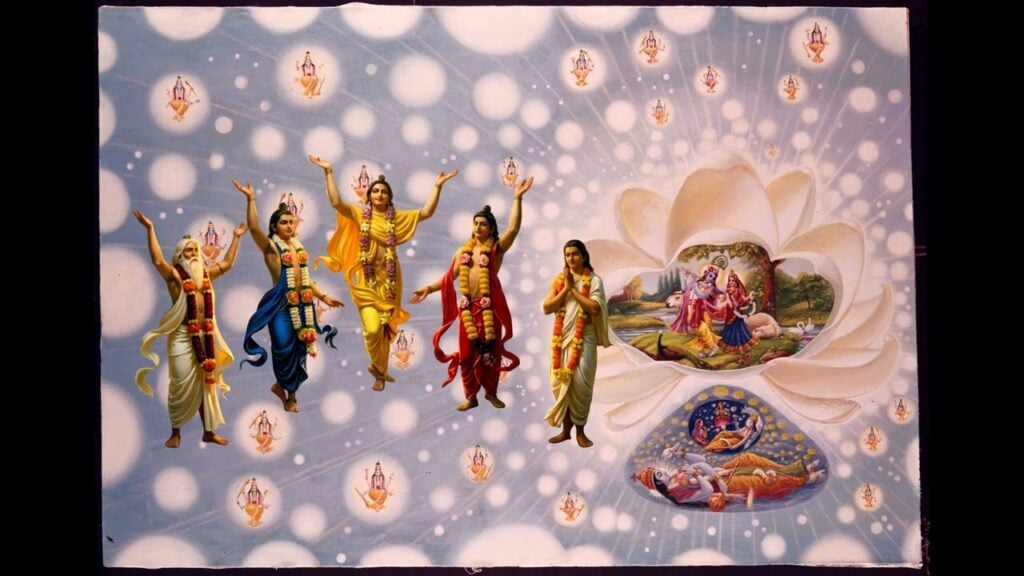
Vedic wisdom presents a clear ethical vision: every action is seen, remembered, and weighed within the moral fabric of the cosmos. According to the Veda Shastras, devas and devis serve as attentive witnesses to human conduct, not as punitive overseers but as guardians of order who mediate between embodied beings and the supreme reality. This framework situates daily choices within a larger horizon of responsibility, cultivating inner discipline and reverence for dharma.
Within Hindu scriptures, these minor deities function as cosmic administrators, harmonizing individual lives with universal principles. Their witnessing role reinforces the law of karma, where intention and action inevitably bear fruit. In this view, ethical life is not merely societal compliance but alignment with an enduring spiritual order that dignifies every thought, word, and deed.
Lord Vayu Bhagavan offers a vivid illustration. Present in every breath and current of air, Vayu’s presence is intimate and inescapable. The simple act of inhalation and exhalation becomes a reminder that life is sustained by a sacred continuum, encouraging mindfulness, gratitude, and restraint. Through this lens, breath itself emerges as a gentle teacher, guiding conduct toward clarity and compassion.
This idea resonates across dharmic traditions. In Buddhism, the law of karma and the cultivation of mindful awareness invite conscientious action. Jainism emphasizes personal accountability through ahimsa and the purification of karmic matter attached to the jīva. Sikh teachings affirm that all unfolds under hukam, with Waheguru’s compassionate gaze inspiring truthful living. Though metaphysical vocabularies differ, the shared emphasis on moral responsibility and inner transformation reveals unity in spiritual diversity.
Far from promoting fear, the concept of divine witnessing nurtures ethical confidence. Knowing that actions matterseen by devas, registered by karma, and reflected in consciencestrengthens the resolve to practice satya, daya, and self-restraint. This perspective transforms everyday life into sādhanā, where small acts of kindness, honesty, and service carry enduring significance.
Practical reflection follows naturally. Attentive breathing anchors the mind; remembrance of Lord Vayu Bhagavan fosters humility; and contemplation on dharma clarifies choices. When individuals act with awareness that life is sacredly observed, communities tend to flourish in trust, mutual respect, and serviceoutcomes cherished across Hinduism, Buddhism, Jainism, and Sikhism.
Ultimately, the teaching that “gods are watching” frames accountability as encouragement rather than surveillance. It invites a steady, compassionate orientation to self and society, affirming that every moment is an opportunity to harmonize intention, action, and consequence. In that harmony, the shared dharmic quest for truth, compassion, and liberation finds living expression.
Inspired by this post on Hindu Pad.