Hinduism, among the world’s oldest living traditions, is often compared to a phoenix for its enduring capacity to arise renewed from crisis. This metaphor captures not only resilience and adaptability but also the timeless relevance of Sanatana Dharma. Across millennia, the tradition has persisted and grown through phases of invasions, colonial rule, and internal debates, demonstrating a civilizational strength grounded in continuity, reform, and pluralism.
At the core of this renewal lies a flexible philosophical framework that welcomes multiple paths to truth. The acceptance of diverse practices, deities, and philosophiesreflected in concepts such as Ishta and the latitude offered by dharmaenables communities to preserve spiritual integrity while engaging creatively with changing times. This plural ethos supports unity in diversity, making space for varied expressions of spirituality without demanding uniformity.
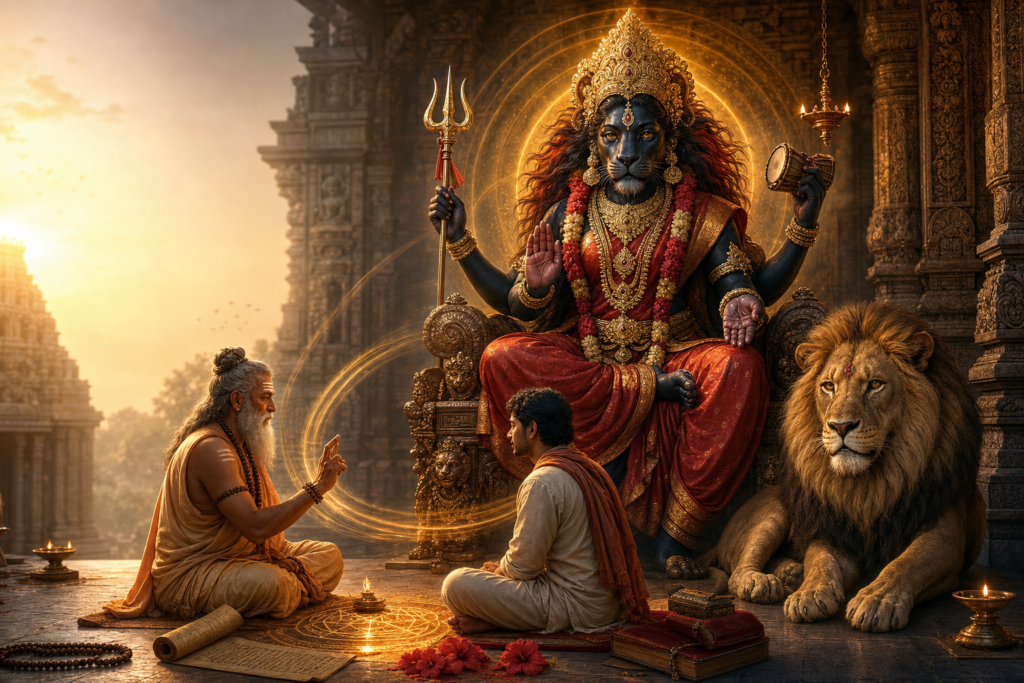
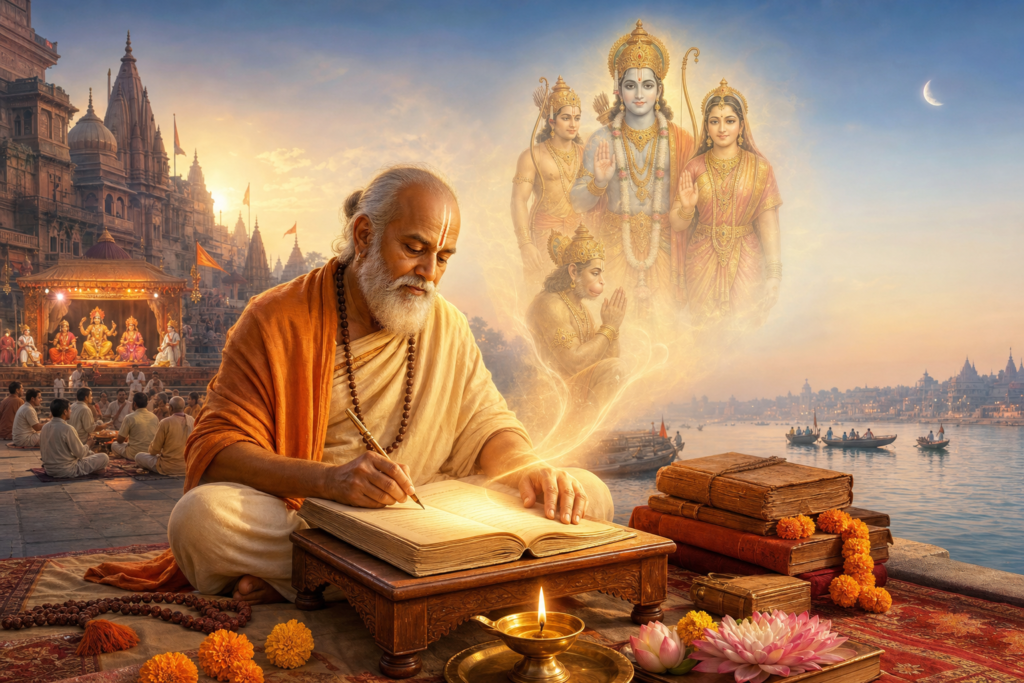
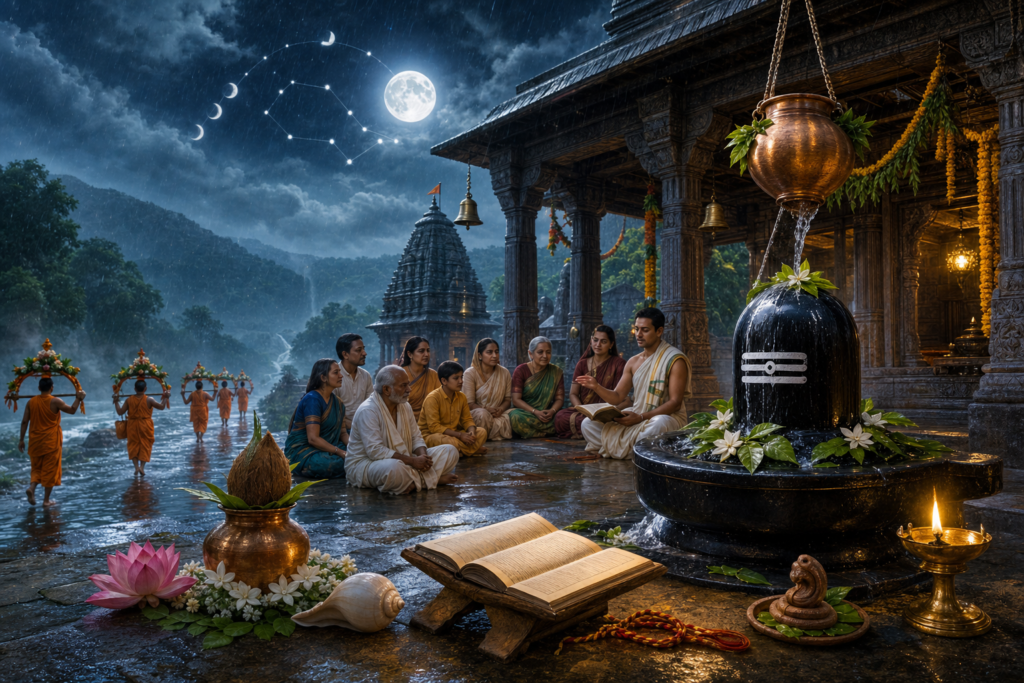
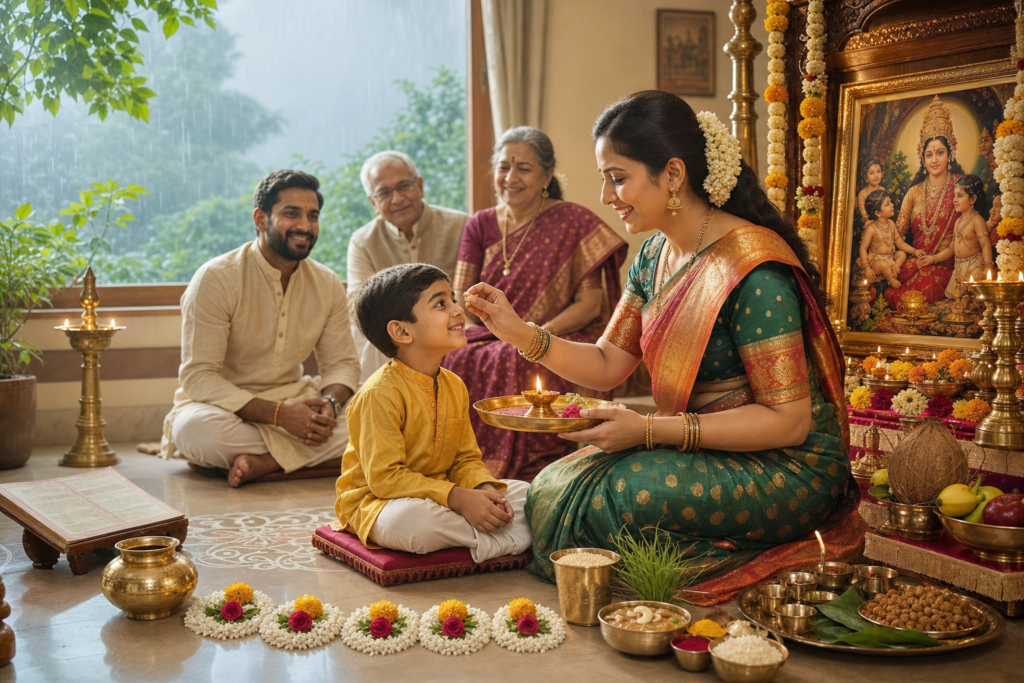
Historical evidence of this adaptability can be seen in the way households and communities sustained rituals, festivals, and learning even under external pressures. Temples, mathas, and local traditions served as repositories of cultural heritage, while philosophical inquiry and commentary ensured that scriptures remained living texts. Through everyday observances and community networks, practitioners found stability, meaning, and belonging, turning disruption into opportunities for reflection and renewal.
This resilience resonates across the broader family of dharmic traditionsBuddhism, Jainism, Sikhism, and Hinduismwhich share commitments to ethical living, compassion, self-cultivation, and social harmony. Over time, their mutual exchanges in art, ethics, and philosophy have strengthened a common civilizational fabric. Emphasizing this shared foundation nurtures interfaith harmony and reinforces a vision of unity in spiritual diversity that is both historically grounded and forward-looking.
In contemporary contexts marked by globalization, technological transformation, and shifting identities, the same qualitiesresilience, adaptability, and inclusivitycontinue to offer guidance. Communities drawing upon Sanatana Dharma’s open architecture find pathways to coexistence, dialogue, and renewal without erasing difference. This approach not only preserves cultural heritage but also equips society to respond constructively to new ethical and social challenges.
Thus, the phoenix metaphor is more than poetic image; it reflects a living process of regeneration. By honoring plural roots, encouraging thoughtful reform, and fostering bonds among dharmic traditions, Hinduism demonstrates how an ancient tradition can remain vital. The result is a balanced synthesis of continuity and changean enduring model for spiritual confidence, cultural cohesion, and compassionate coexistence.
Inspired by this post on Hindu Blog.