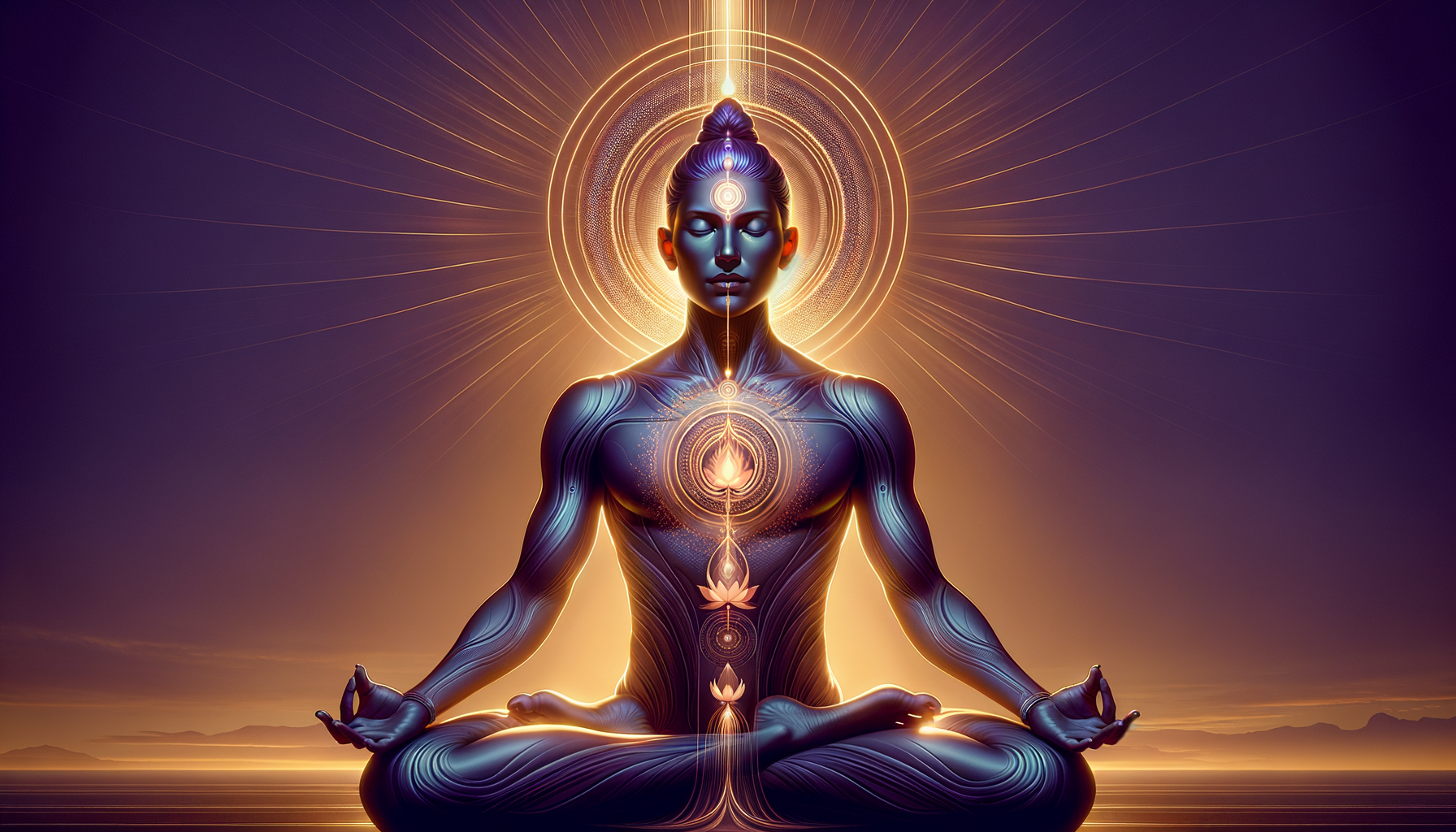
The concept of the “third eye” in Hinduism refers to an inner organ of perception that grants deeper knowledge, clarity, and ultimately liberation (moksha). It is not a physical eye but a refined capacity of awareness associated with discernment, wisdom, and Self-Realization. Classical Yoga and Vedic philosophy align this faculty with the ajna center in yogic anatomy, often described as the gateway to insight and inner light.
Hindu teachings emphasize that every human being possesses this inner eye, yet it typically remains dormant across many births due to karmic impressions (samskaras) and habitual patterns of mind. In this view, awakening unfolds through sustained practice (sadhana), moral refinement, and patient maturation of insight over lifetimes. The third eye, therefore, should be understood less as a sudden supernatural event and more as the steady illumination of consciousness that clarifies reality as it is.
Scriptural foundations for this understanding appear across the Upanishads and later yogic texts, which describe subtle energy pathways such as the sushumna nadi and the ascent of Kundalini as metaphors for interior transformation. In academic terms, the third eye symbolizes the culmination of contemplative cognition—a state in which attention becomes stable, egoic reactivity subsides, and insight (jnana) illuminates the causes of suffering and the means to transcend it.
Ethical preparation is indispensable. The yamas and niyamas—non-violence (ahimsa), truthfulness (satya), contentment (santosha), self-discipline (tapas), purity (saucha), and study (svadhyaya)—stabilize the mind-heart and make higher perception trustworthy. Service (seva), humility, and compassion protect against spiritual pride, ensuring that any awakening expresses itself as care for others rather than as displays of power or exclusivity.
Core practices that nurture this awakening include dhyana (meditation), pranayama (breath regulation), and mantra japa. Trataka (steady gazing) can cultivate one-pointedness, while mindful living integrates clarity into daily conduct. Although guidance from a competent guru remains a respected ideal in Hindu traditions, contemporary practitioners can also progress through disciplined study, ethical living, and consistent practice within community.
Convergences across dharmic traditions highlight a shared civilizational ethos. In Buddhism, the cultivation of insight through vipassana and the flowering of prajna parallels the Hindu emphasis on jnana. In Jainism, samayik (equanimity practice) and the gradual purification of consciousness reflect the same trajectory toward unobstructed vision. In Sikhism, simran (remembrance of the Divine Name) and the opening of the ‘dasam duar’ point to an inner doorway of clarity. These resonances affirm unity in diversity, showing that the inner light is a common inheritance of Hinduism, Buddhism, Jainism, and Sikhism.
Recognizable signs of third-eye awakening are sober and humanizing rather than sensational: heightened clarity, equanimity under pressure, compassionate responses, and freedom from impulsive reactivity. As attachment and aversion (raga-dvesha) loosen, perception becomes less distorted by fear and desire. The measure of progress is not visions, but stable ethics, clear discernment, and love in action.
In the rhythm of daily life, this awakening translates into practical benefits. During conflict, a brief pause with conscious breathing can restore perspective. In decisions, clarity emerges when attention rests on facts without projection. In relationships, patience and empathetic listening reflect the third eye’s capacity to see beyond immediate judgments to the person’s deeper reality.
Common misconceptions deserve correction. The third eye is neither a shortcut to power nor a guarantee of miraculous abilities. Overemphasis on phenomena can destabilize practice and invite confusion. Balanced progress honors physical health, psychological stability, and social responsibility, and it remains open to mentoring, study of the Upanishads, and continual self-inquiry.
A simple integrative routine supports steady growth: begin with gentle pranayama to calm the nervous system, continue with dhyana for focused awareness, include brief mantra japa to refine attention, and conclude with a commitment to live one ethical principle during the day (for example, satya or ahimsa). Over time, this combination purifies perception and allows the third eye’s insight to inform work, family, and community life.
Hindu teachings thus present the third eye as an innate capacity awaiting cultivation, often maturing across births. When approached with humility, ethics, and disciplined practice, this awakening aligns personal well-being with the welfare of others. In harmony with the broader dharmic family, it points to a shared destination: inner clarity, compassionate conduct, and the freedom that comes with Self-Realization.
Inspired by this post on Hindu Blog.