On Friday, November 28, 2025, the Panchang for most regions records Shukla Paksha Ashtami (the eighth lunar day in the waxing phase) prevailing until 6:45 PM, after which it transitions to Shukla Paksha Navami (the ninth lunar day). This timing reflects the Hindu calendar convention in many locales; minor variations may occur depending on regional Panchang computations and local time observance.
Shukla Paksha Ashtami is traditionally associated with steady progress and disciplined practice, while Shukla Paksha Navami is linked with momentum, clarity, and renewal. Across dharmic communities, lunar observances remain a living cultural threadwidely followed in Hindu and Jain traditions, resonant within Buddhist lunar customs, and culturally acknowledged in many Sikh householdsfostering unity, shared remembrance, and continuity of heritage.
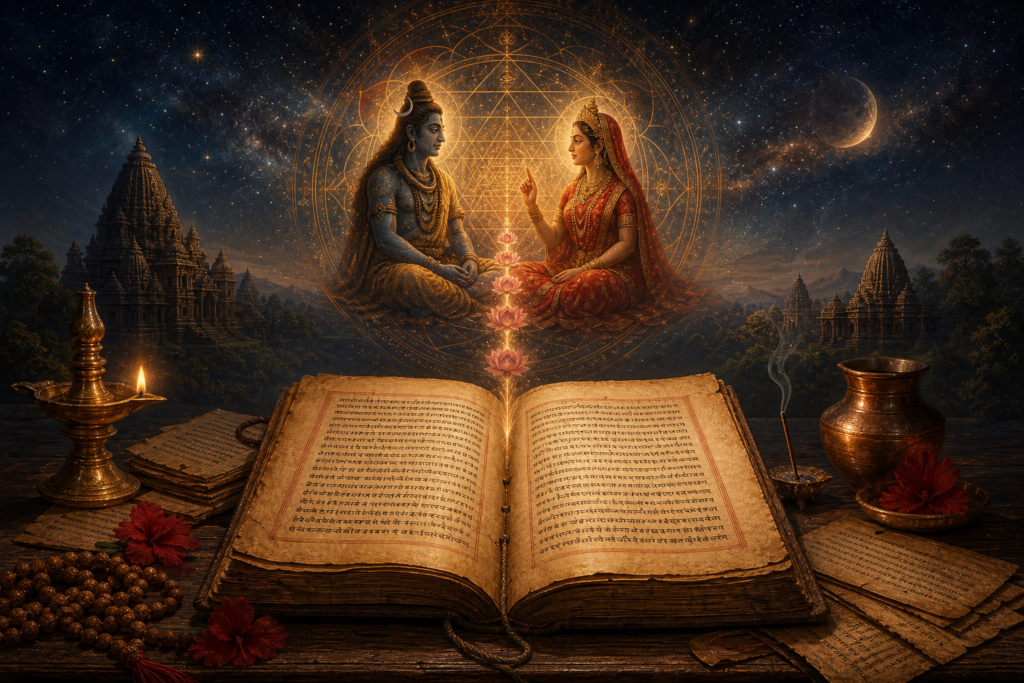
For those planning spiritual activities, Ashtami-aligned observances (such as specific vrat, japa, or puja sankalpa) may be performed before 6:45 PM, and Navami-focused intentions thereafter. Families often align study of scriptures, meditation (dhyana), and acts of seva or daan with these tithi transitions to mark the day with purpose and balance.
Inquiries about “good time” (muhurat), as well as Nakshatra, Rashi, and Lagna, are best addressed through a location-specific Panchang, since these elements vary by longitude, latitude, and daylight conventions. Additionally, differences between Amanta and Purnimanta calendar traditions can shift perceived dates or emphasis in some regions; consulting a reliable local almanac ensures accuracy.
As a gentle, unifying practice across dharmic paths, the day may be observed with mindful conduct, remembrance of elders, and compassionate engagement with community. Such observances honor the shared ethic of harmony and learning present in Hinduism, Buddhism, Jainism, and Sikhism, while respecting each tradition’s distinct calendar customs.
In summary, November 28, 2025 offers Shukla Paksha Ashtami until 6:45 PM followed by Shukla Paksha Navami in most regions. These tithis provide a meaningful framework to plan puja, study, meditation, and charitable action. For precise muhurat, Nakshatra, and Rashi, a trusted regional Panchang remains the authoritative guide.
Inspired by this post on Hindu Blog.