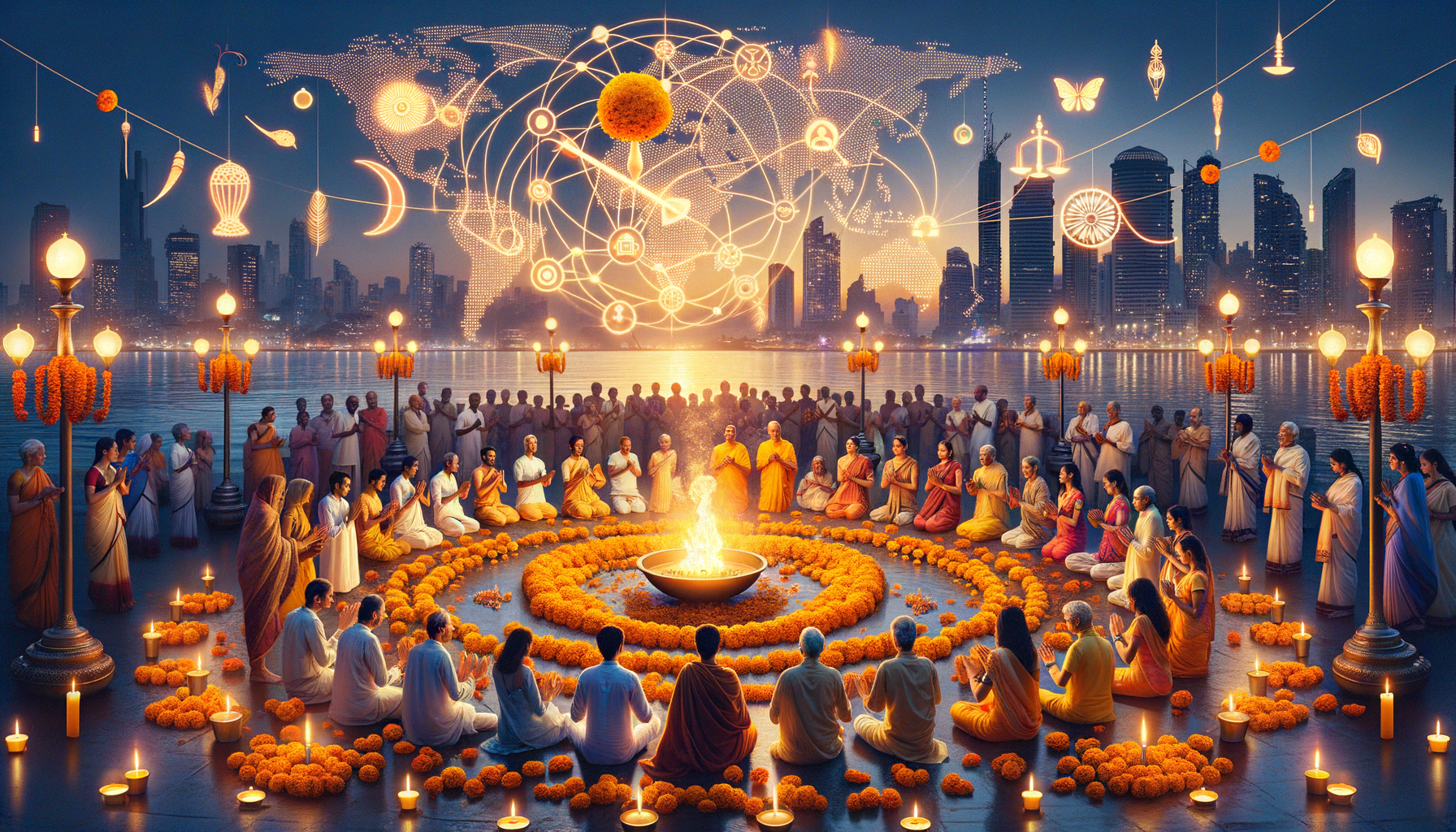
In Mumbai, the two-day ‘Shri Narayan Mahayadnya’organized by the Shri Krishna Janmabhoomi Sangharsh Nyasconcluded after being conducted across 16 nations with a focus on Shri Krishna Janmabhoomi. The observance centered on collective prayer, ethical reflection, and cultural remembrance, framing “reclaiming” as a process of safeguarding sacred heritage through peaceful, community-led means.
Within the dharmic milieu, yajna embodies a disciplined offering of intent that binds individual devotion to social responsibility. In that spirit, this initiative oriented public attention toward the preservation of sacred geography associated with Sri Krishna, the continuity of temple heritage, and the cultivation of values such as satya, ahimsa, and seva in civic life.
The global format across 16 nations underscored the capacity of diaspora communities to sustain cultural memory and support lawful, heritage-focused initiatives. By aligning simultaneous observances, the event highlighted shared purpose across borders and affirmed the role of transnational networks in documenting and preserving temple traditions linked to Krishna Janmabhoomi.
The conclusion in Mumbai provided a meaningful focal point, connecting worldwide participation with one of India’s vital cultural centers. It offered a reflective context to consider Krishna Janmabhoomi’s place in historical consciousness, contemporary civic culture, and future pathways for responsible heritage stewardship.
Consistent with the plural spirit of dharmic traditions, the messaging emphasized harmony and mutual respect. While centered on Shri Krishna and the sanctity of Janmabhoomi, the initiative resonated with shared dharmic values cherished by Hindus, Buddhists, Jains, and Sikhsvalues that encourage non-harm, truthfulness, service, and community cohesion.
Such community events can help reduce polarization by channeling devotion into inclusive cultural education, conservation efforts, and service-oriented programs. In practical terms, they nurture unity in diversity, strengthen inter-community dialogue, and inspire collaborative participation that respects democratic processes and the rule of law.
Looking ahead, the template demonstrated by the ‘Shri Narayan Mahayadnya’peaceful observance, global coordination, and heritage-centered intentioncan guide future initiatives that spotlight temple preservation, cultural literacy, and youth engagement, while affirming the shared ethical foundations that connect dharmic communities worldwide.
Inspired by this post on Hindu Jagruti Samiti.