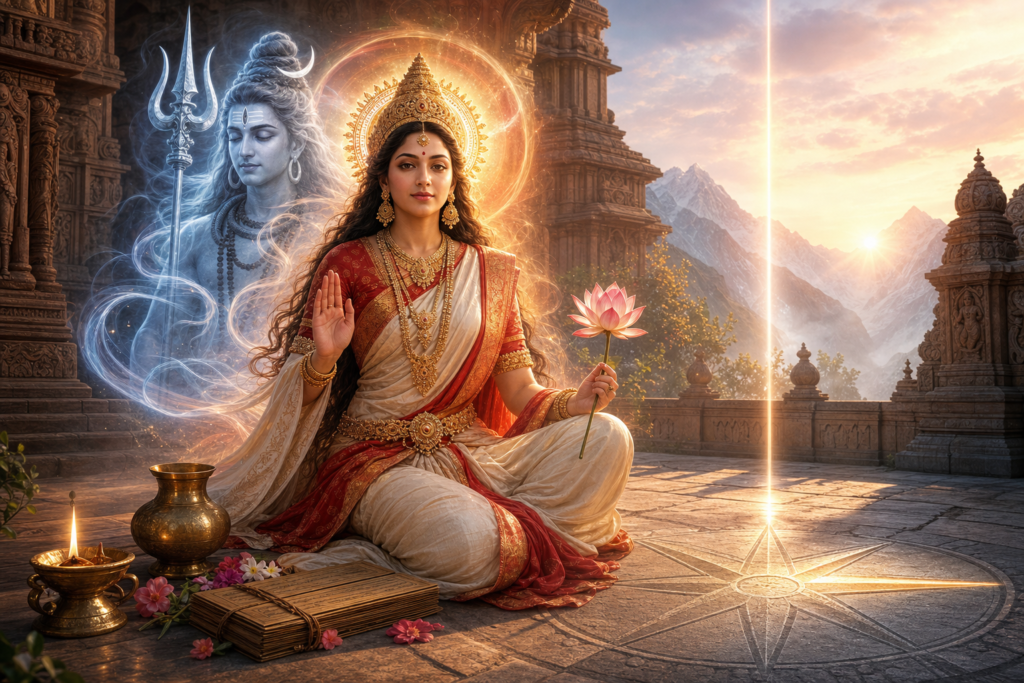
Across the dharmic traditions of Hinduism, Buddhism, Jainism, and Sikhism, a unifying insight endures: the Divine, or ultimate reality, transcends the physical senses yet can be directly realized through disciplined inner experience. Hindu philosophy articulates this paradox with a lucid metaphorelectricity is unseen, yet its power is known when a lamp shines; likewise, the Divine may not be visible to the eyes, yet its presence permeates consciousness, character, and conduct.
Classical Indian thought clarifies how such knowing is possible through pramāṇa (valid means of knowledge): perception (pratyakṣa), inference (anumāna), testimony (śabda), and, supremely in spiritual matters, direct realization (anubhava). The Upanishadic methodcaptured in the austere phrase “neti neti” (not this, not this)guides the seeker beyond conceptual limits toward a self-authenticating awareness that does not depend on the senses yet illumines them.
Hinduism offers multiple, complementary paths that refine attention and reveal the ground of being: bhakti (devotion), jñāna (wisdom), karma-yoga (selfless action), and rāja-yoga (meditative discipline). Resonant approaches across the dharmic family affirm the same experiential coreBuddhist vipassanā clarifies insight, Sikh simran nurtures remembrance of the Naam, and Jain samayik cultivates equanimity. Each path trains the mind and purifies the heart, making direct spiritual experience a living reality rather than an abstract ideal.
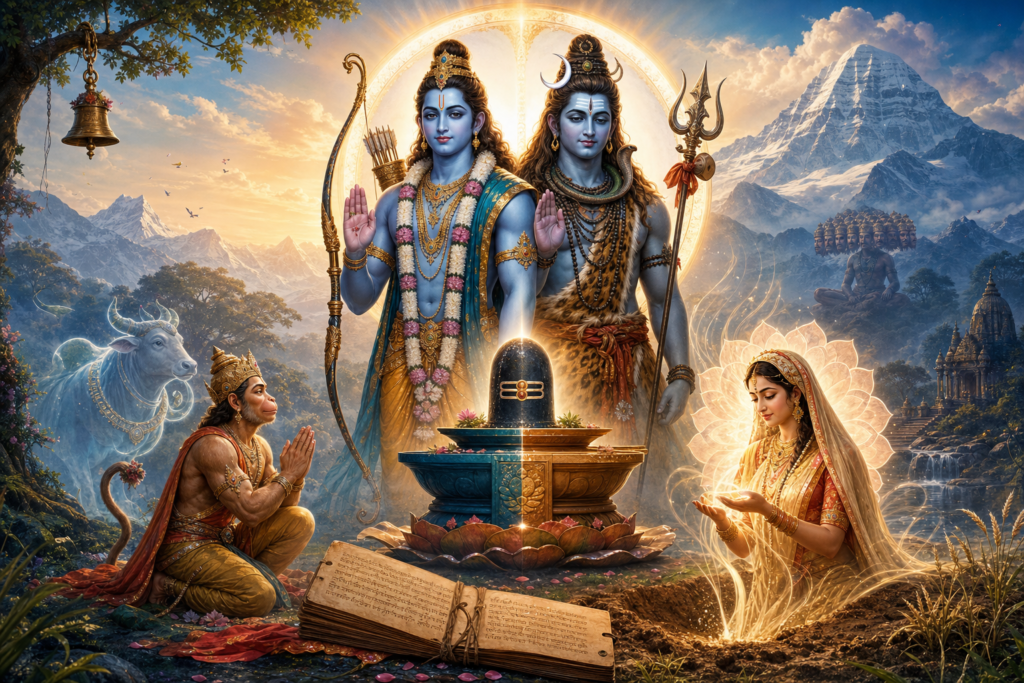
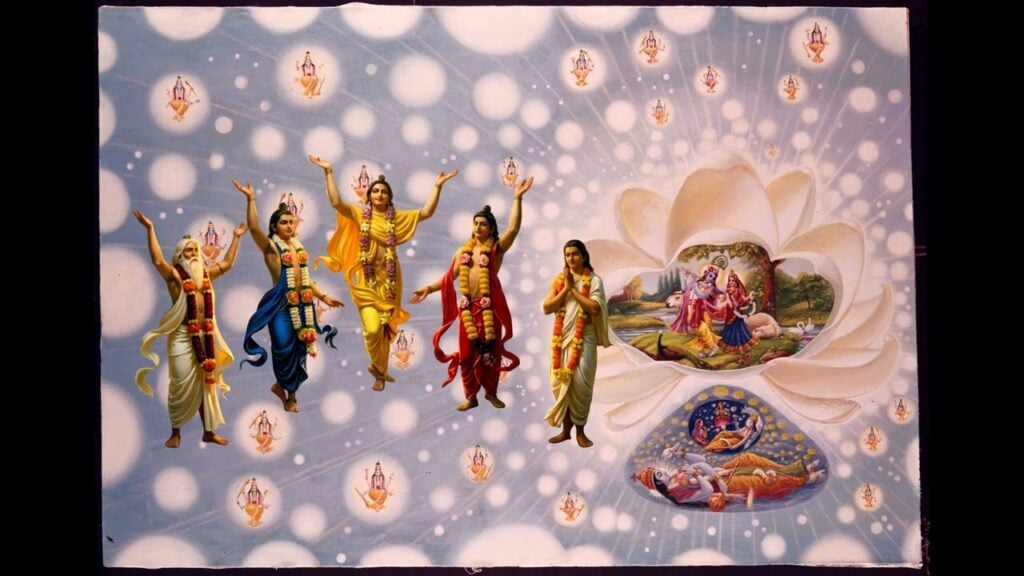
The Hindu principle of Ishta honors the diversity of forms and ideals through which seekers relate to the Divine. This acceptance does not fragment truth; it recognizes the unity that shines through varied symbols, names, and practices. Unity in Diversity is thus not merely a social ethic but a metaphysical insight: one reality, many approaches, one purposeinner transformation.
Like a lamp brightened by an invisible current, authentic realization is known by its effects. Hallmarks include clarity of understanding, steadiness of mind, compassion, humility, and a spontaneous alignment with dharma. Rather than dramatic sensation, the more reliable signs are ethical consistency and inner peaceexpressions of ahimsa and satya that endure across changing circumstances.
Traditionally, three supports anchor the journey: śāstra (scripture), sādhanā (disciplined practice), and a living guide or Guru who embodies the teaching. The Bhagavad Gita and the Upanishads frame this synergy, emphasizing that knowledge matures through practice, and practice is safeguarded by right understanding. When these supports converge, realization shifts from concept to lived experience.
From a philosophical perspective, Hinduism’s inclusivity is not relativism; it is a rigorous epistemology that acknowledges different temperaments and starting points while affirming an ultimate, shared aim. Sanatana Dharma thus invites seekers to test truths in the laboratory of awareness, where contemplative inquiry, ethical refinement, and devotion converge.
Practical steps follow naturally: cultivate daily meditation or japa, embrace mindful action through karma-yoga, deepen devotion through bhakti, and engage steady self-inquiry through jñāna. Parallel practices across dharmic traditionsvipassanā, simran, and samayikstrengthen concentration and compassion, making spiritual insight both profound and accessible in contemporary life.
Dharmic pluralism avoids imposing a singular path; instead, it nurtures conditions in which diverse spiritual journeys can thrive in harmony. This ethos safeguards freedom of conscience, prevents sectarian rigidity, and strengthens social cohesion, ensuring that spiritual experience enriches both the individual and the collective.
Ultimately, Hindu wisdom maintains that the Divine can only be experienced. Beyond description yet intimately knowable, this realization does not withdraw one from the worldit illumines it. When inner transformation matures, life itself becomes the shining evidence: thought becomes clear, action becomes compassionate, and the many paths reveal their shared destination.
Inspired by this post on Hindu Blog.