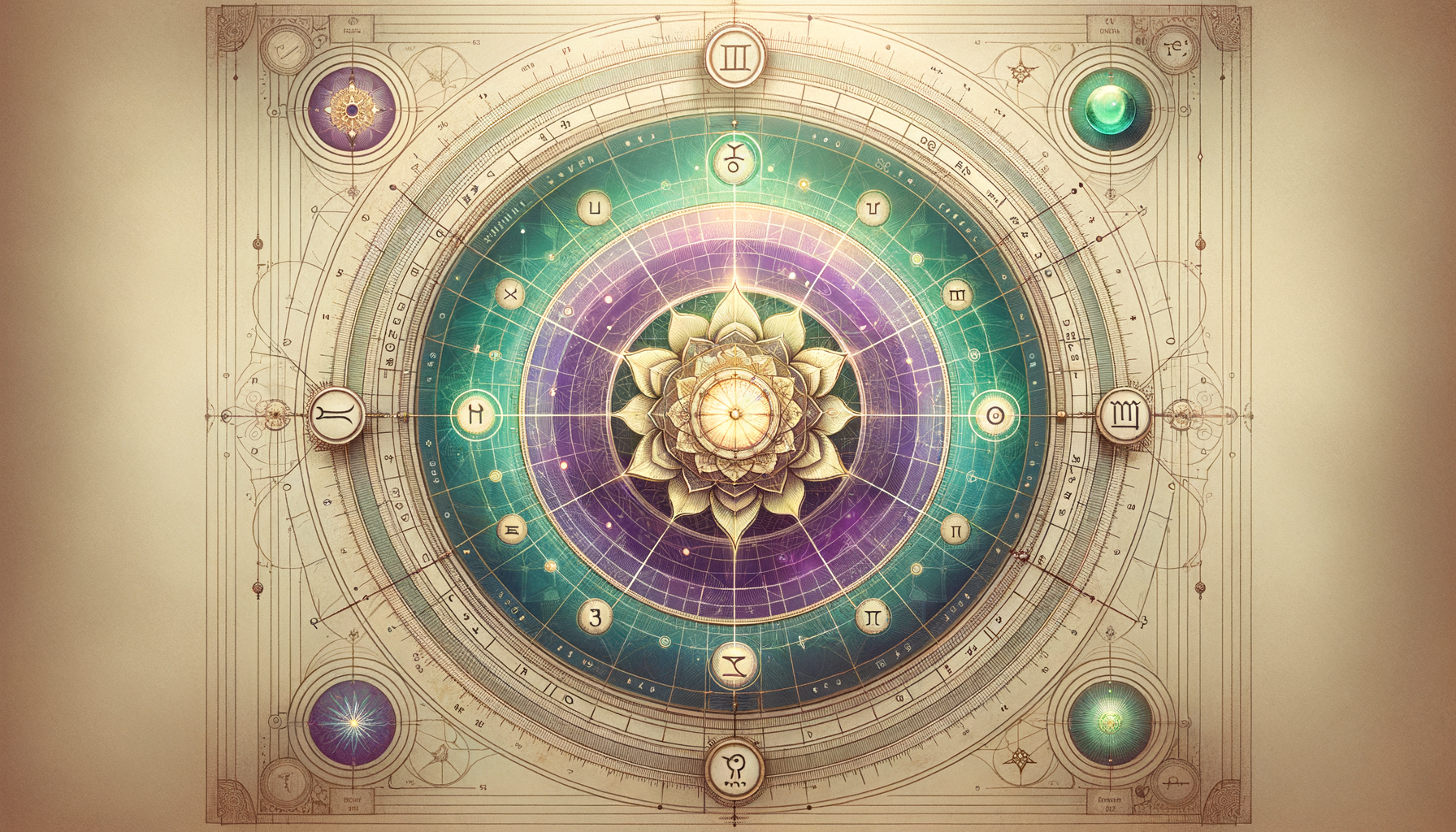
In Vedic astrology, the strength of houses in a horoscope is assessed primarily through their position and planetary occupancy. The 12 bhavana are traditionally grouped into four divisions: Kendra Houses (Kendra Sthana), Tricona Houses, Dhushta Sthana, and Upachaya Houses. Understanding these groupings offers a structured, culturally rooted way to read a chart and translate symbolism into practical insight.
Kendra Houses (Kendra Sthana) comprise the 1st, 4th, 7th, and 10th houses. These angular points anchor the chart and often reflect stability, agency, relationships, and social contribution. Planets occupying Kendra Houses tend to express their significations strongly, and the synergy between Kendra lords and Tricona lords is valued for forming auspicious yogas. In many readings, a well-supported Kendra framework is associated with dependable life pillars and a clear sense of direction.
Tricona Houses typically include the 1st, 5th, and 9th houses. These are dharma-oriented trines that highlight purpose, learning, foresight, and the unfolding of merit. When Tricona Houses are fortifiedby occupancy, aspects, or dignified lordspractitioners often observe smoother alignment between intention and outcome. The 1st house, serving as both Kendra and Tricona, is especially pivotal for vitality and identity.
Dhushta Sthana generally refers to the 6th, 8th, and 12th houses, which signify challenges, transformation, and release. Rather than being viewed as wholly adverse, these houses can indicate areas where discipline, awareness, and compassion catalyze growth. For example, strong 6th-house dynamics may correlate with perseverance and problem-solving, while the 8th and 12th can deepen insight into change, legacy, and spiritual letting go.
Upachaya Houses are the 3rd, 6th, 10th, and 11th. These houses tend to improve with time and sustained effort. Activity in Upachaya Houses often corresponds with skills, service, professional momentum, and networks. Classical guidance notes that even difficult planets may produce constructive outcomes here when harnessed through steady practice and ethical action, reflecting a developmental arc rather than a fixed fate.
Assessing house strength goes beyond house type. Key considerations include sign dignity (exaltation, own sign, moolatrikona, or debilitation), aspects, conjunctions, functional beneficence or maleficence, retrogression, combustion, and planetary maturity. Technical measures such as Shadbala, Vargabala, and Digbala help quantify strength, while the condition of house lords, their placement, and mutual relationships refine interpretation. These methods add objectivity to the qualitative meanings of Kendra, Tricona, Dhushta Sthana, and Upachaya Houses.
In practice, many seekers note that when Kendra and Tricona Houses are simultaneously activated, life may feel coherent and well-supported; when Dhushta Sthana becomes prominent, disciplined routines, study, and contemplative practices can transform obstacles into insight; and during Upachaya emphasis, consistent effort often yields tangible gains. Such observations align with the shared wisdom across dharmic traditions, where chart symbolism is approached as guidance for responsible action and inner growth rather than strict determinism.
Viewed through a unifying dharmic lens, this framework supports harmony among Hindu, Buddhist, Jain, and Sikh communities by emphasizing ethical living, self-knowledge, and compassion. The house groups do not predict immutable outcomes; they offer a map for cultivating capability, resilience, and clarity. Engaging the 12 bhavana in this way preserves traditional knowledge while encouraging inclusive, reflective application in contemporary life.
Inspired by this post on Hindu Pad.