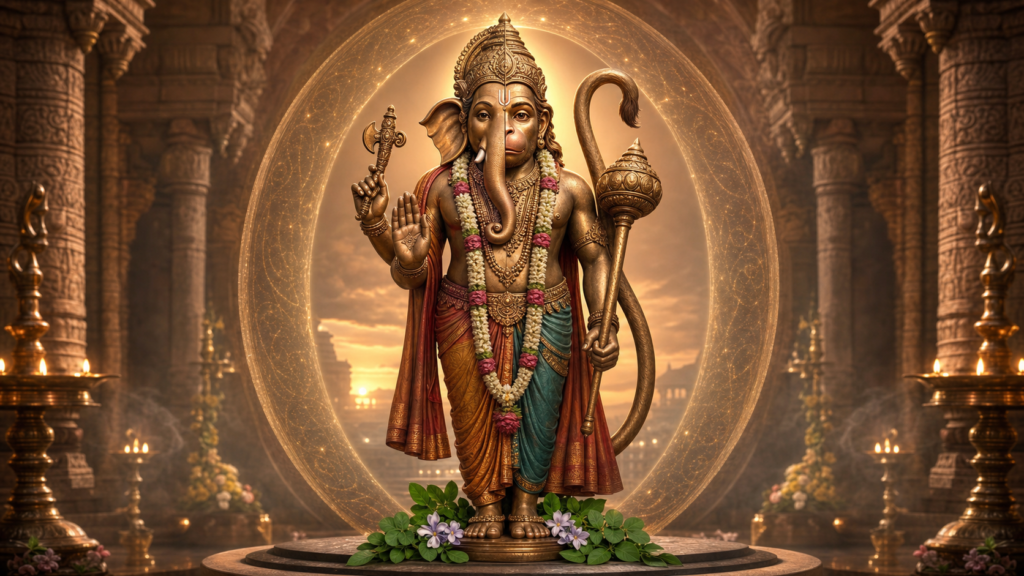
Vishnu Saptami is observed on the seventh day (Saptami) of the Shukla Paksha in the Margashirsha month and is esteemed for its emphasis on harmony within the dharmic fold. In 2025, Vishnu Saptami falls on November 27. The observance carries a distinctive theological note: Lord Vishnu and Lord Shiva are both worshipped, reflecting the Hari–Hara principle that underscores non-duality and unity in the divine.
The date corresponds to Margashirsha Shukla Saptami, a period traditionally associated with clarity of mind and devotional steadiness. While November 27, 2025 is the broadly accepted date, local panchangam calculations may introduce regional variations in timing.
Ritual practice commonly centers on Shodashopachara Puja, the sixteenfold offering that honors the deity with methodical reverence. Devotees frequently offer tulsi to Lord Vishnu and bilva leaves to Lord Shiva, light deepam at dawn or dusk, and recite stotras such as Vishnu Sahasranama or hymns venerating Shiva. Simple naivedyaoften satvik preparationsconcludes the worship and is shared as prasadam, reinforcing gratitude and community bonding.
The symbolic focus on worshipping Vishnu and Shiva together affirms the philosophical insight that the divine manifests as unity in diversity. This Hari–Hara understanding aligns with the inclusive spirit of Sanatana Dharma, where complementary paths of devotion and wisdom converge without contradiction.
Beyond ritual precision, the ethos of the day resonates across dharmic traditionsHinduism, Buddhism, Jainism, and Sikhismthrough shared values of compassion (karuna), disciplined practice, inner purification, and seva. In many communities, households report a renewed sense of peace and cohesion when the day’s worship is framed as a commitment to harmony and mutual respect.
Practical observance can remain simple and meaningful: maintain a satvik diet, keep the home altar clean and serene, offer a lamp, recite a chosen stotra, and, where possible, support community welfare through dana. Such steps sustain the inward focus of the day while extending its benefits outward through service.
Margashirsha holds scriptural significance; in the Bhagavad Gita (10.35), Sri Krishna identifies with this month, highlighting its auspicious character for devotion and contemplation. This association deepens the reflective dimension of Vishnu Saptami, inviting steady remembrance (smarana) and ethical living.
Across cities and villages alike, temples may conduct special puja sequences and collective chanting, while families observe with quiet devotion at home. The cumulative effect is both devotional and social: a strengthening of personal discipline, communal harmony, and the lived understanding that diverse expressions of worship ultimately point to a shared truth.
Inspired by this post on Hindu Pad.