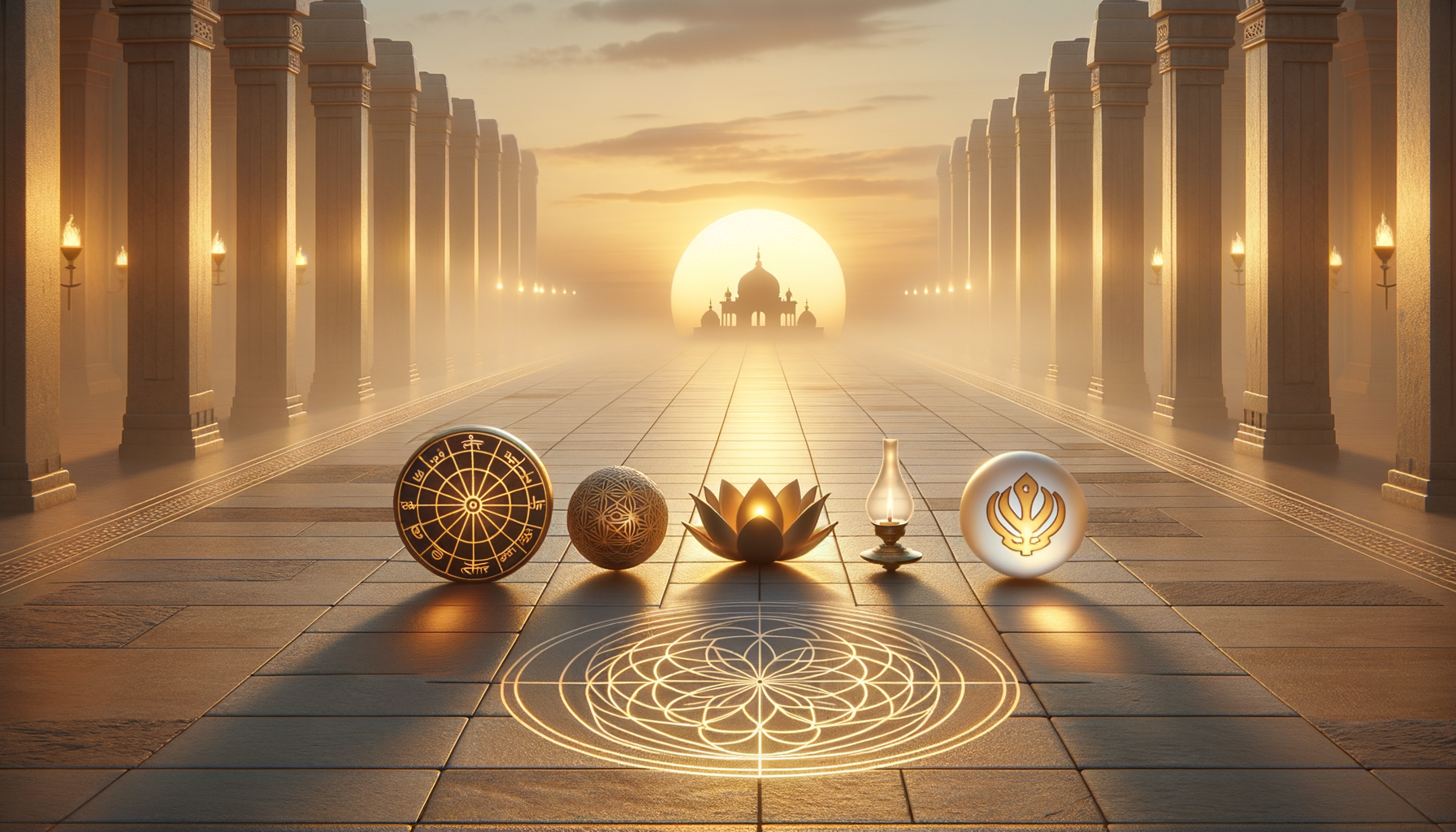
The proposition that it is foolish to claim one religion as eternal while dismissing others aligns closely with the dharmic emphasis on humility, openness, and pluralism. Within Hinduism, and across Buddhism, Jainism, and Sikhism, spiritual truth is understood as vast and multifaceted, inviting many valid pathways rather than a single exclusive route. This ethos nurtures interfaith dialogue, social harmony, and a shared commitment to human flourishing.
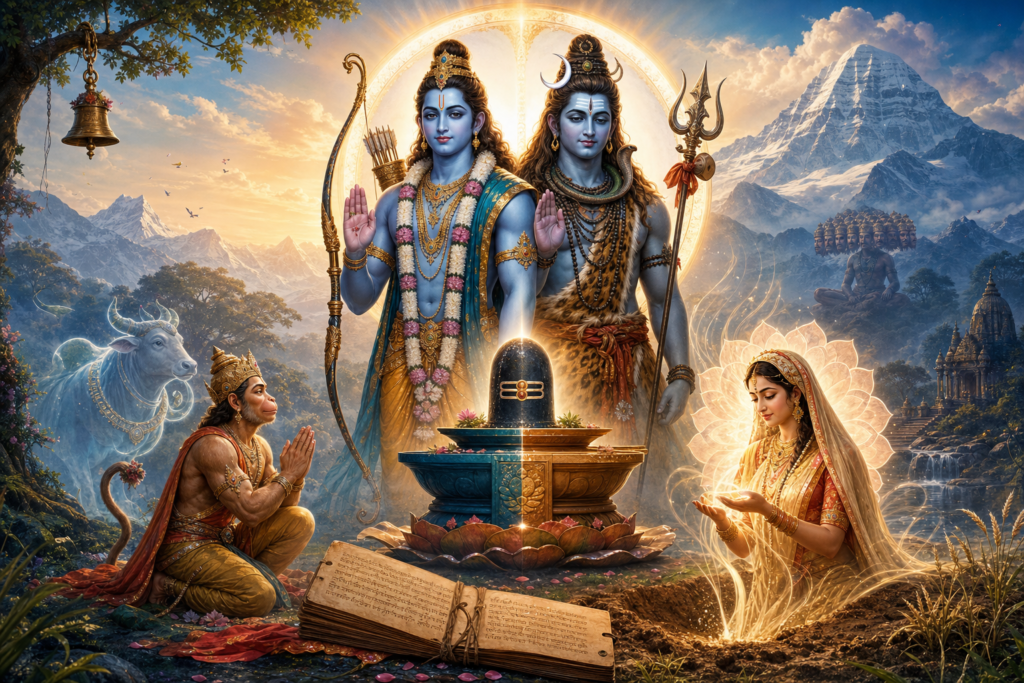
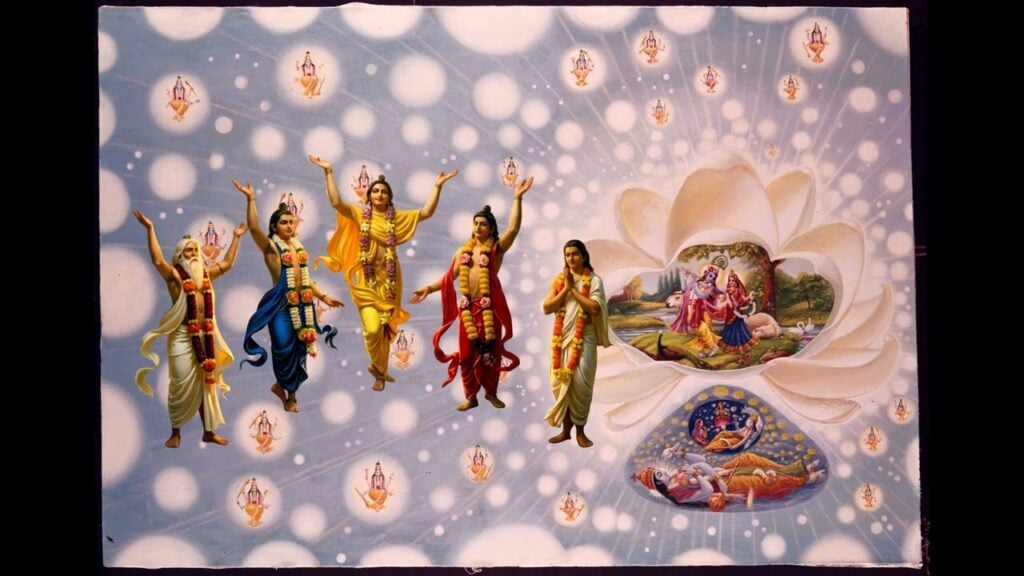
In Hindu philosophy, Sanatana Dharma points to timeless principles rather than a single doctrinal monopoly. The concept of Ishta in Hinduism recognizes that individuals approach the Divine through distinct dispositions, practices, and symbols. This framework affirms the dignity of diverse spiritual journeys and resists the notion that one form of worship exhausts all truth. As the Rig Vedic insight expresses, “Ekam sat vipra bahudha vadanti” truth is one, the wise express it in many ways.
Comparable ideas permeate other dharmic traditions. Jainism’s Anekantavada teaches that reality is many-sided, encouraging intellectual humility and ethical coexistence. Buddhism’s emphasis on upaya (skillful means) acknowledges that teachings adapt to the seeker’s context and capacity. Sikhism’s affirmation of Ik Onkar and sarbat da bhala orients spiritual life toward the oneness of reality and the welfare of all. Together, these perspectives cultivate religious pluralism grounded in compassion and reason.
This inclusive orientation stands apart from exclusivist models that attempt to impose a singular path. Dharmic traditions favor dialogue over dogma, inner transformation over external compulsion, and unity in diversity over uniformity. Such an approach strengthens social cohesion, reduces conflict, and deepens mutual respect among communities with different religious practices.
Swami Vivekananda articulated this vision with clarity: true harmony does not require sameness; it requires acceptance rooted in strength and understanding. He critiqued the intolerance that results from claiming spiritual finality for a single creed, arguing instead for a universal spirit of acceptance that honors each sincere path. This view is not relativism; it is a disciplined acknowledgment that the Infinite cannot be confined to one cultural lens or theological formula.
Consider a household in which elders practice traditional puja, younger members explore meditation influenced by Buddhism, and relatives are drawn to Sikh kirtan or Jain principles of ahimsa. Rather than generating division, this diversity often cultivates shared values: non-violence, truthfulness, service, and inner discipline. The lived experience shows that multiple practices can converge on common ethical ground, reflecting the dharmic insight that sincere seeking unites more than it divides.
Scriptural and philosophical sources reinforce this synthesis. The Upanishads prioritize direct realization over sectarian certainty; the Bhagavad Gita affirms that individuals approach the Divine according to their own nature; Jain āgamas emphasize responsible conduct and non-absolutism; Sikh bani directs attention to remembrance of the One and service to humanity. Across these traditions, the measure of spiritual authenticity is transformation of character, not triumph in argument.
Adopting this dharmic lens offers practical benefits. Communities that emphasize interfaith dialogue, shared festivals, and learning across traditions tend to de-escalate tensions and build trust. Educators and families who teach Anekantavada, Ishta, and the ethics of mutual respect equip the next generation to navigate difference with maturity. Policymakers and civic leaders who recognize unity in diversity craft environments where distinct spiritual identities can flourish without fear.
Ultimately, declaring one path eternal while dismissing others narrows the human quest for meaning. The dharmic alternativerooted in Sanatana Dharma’s universals, Jainism’s many-sided truth, Buddhism’s compassionate skillfulness, and Sikhism’s onenessinvites a more expansive, humane, and truthful vision. By embracing this pluralism, societies can honor inherited wisdom while fostering peace, dignity, and spiritual integrity for all.
Inspired by this post on Hindu Blog.