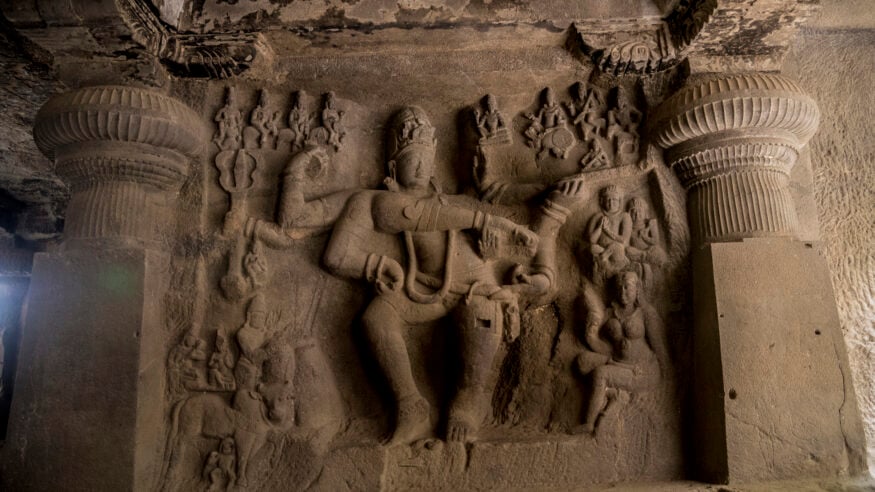
Hindu philosophy affirms that consciously choosing positive thoughts is a disciplined path to self-empowerment, enabling individuals to shape life, karma, and destiny through mindful intention and action. This principle, deeply woven into the fabric of dharmic traditions, emphasizes that inner orientation precedes outer transformation and that clarity of mind supports clarity of conduct.
Scriptural sources consistently ground this view. The Bhagavad Gita encourages upliftment through self-mastery (uddhared ātmanātmānam), while Yoga philosophy recommends pratipaksha-bhavanacultivating constructive counter-thoughts to unwholesome tendencies. Parallel insights appear across dharmic traditions: Buddhist mindfulness trains citta (mind) toward compassion and non-reactivity, Jain bhavana develops elevated reflections that purify intention, and Sikh simran centers awareness through remembrance. Together, these teachings articulate a coherent, pluralistic pathway for mental cultivation.
The mechanism is both ethical and practical. Thoughts condition samskaras (mental impressions), shaping perception, choices, and habitual responses. Modern contemplative science echoes this insight: sustained attention and compassionate framing can reduce reactivity, strengthen resilience, and increase clarity. In dharmic terms, sattva (lucidity) is cultivated when attention is steady, breath is calm, and intention aligns with dharma.
Regular practice translates principle into lived experience. Simple disciplinesmindful breathing, japa (mantra repetition), short meditation intervals, and reflective pausescreate space between stimulus and response. A daily sankalpa (clear intention) anchors practice, while brief pranayama before meditation stabilizes attention. Over time, these methods foster a positive mindset that is steady rather than superficial.
Consider a common scenario: a householder facing workplace stress adopts a morning routine of breath awareness and a concise mantra, revisits a Gita verse at midday, and concludes the day with metta-like goodwill for colleagues. Participants often report tangible changesless rumination, calmer speech, and more ethical clarityillustrating how positive thought, sustained by practice, naturally influences conduct.
This orientation carries an ethical dimension. Cultivating benevolent thoughts supports ahimsa (non-harming) and satya (truthfulness), guiding choices that reduce inner conflict and interpersonal friction. In karmic terms, refining intention precedes refining action; thus, positive cognition becomes a disciplined expression of responsibility and agency.
Importantly, this is not an invitation to deny suffering; rather, it is a call to meet difficulty with discernment (viveka) and compassion (karuna). Dharmic traditions converge on the view that acknowledging pain while nurturing wholesome states is a skillful means (upaya) that honors human complexity and supports sustainable well-being.
Plurality is a strength, not a problem to be solved. Hindu traditions recognize Ishtafreedom to approach the Ultimate in ways resonant with individual naturewhile Buddhism, Jainism, and Sikhism likewise affirm diverse contemplative methods. This shared commitment to multiple valid paths fosters unity across dharmic communities and models interfaith respect grounded in lived practice.
A practical template can be modest and effective: (1) set a morning sankalpa aligned with dharma, (2) practice 3–5 minutes of pranayama, (3) engage in brief mindfulness or meditation, (4) perform japa or simran during transitions, and (5) end the day with gratitude or bhavana reflecting on compassion and learning. Complementary supportsethical reflection, mindful speech, and a balanced media dietreinforce a stable, positive mindset.
Across contexts, the result is consistent: consciously chosen positive thoughts, grounded in practice, cultivate inner steadiness, ethical clarity, and purposeful action. This synthesis of Hindu philosophy with kindred insights from Buddhism, Jainism, and Sikhism offers a unifying, practical pathway to well-being that is both ancient and urgently relevant.
Inspired by this post on Hindu Blog.