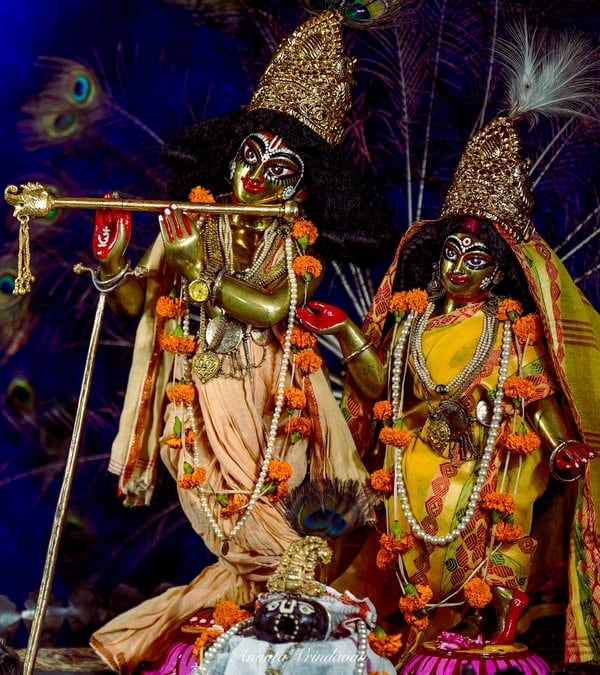
Over several days in Kolkata, a parikrama group undertook a focused exploration of sacred and historic sites associated with Śrīla Prabhupāda. The itinerary blended field-based observation with reflective practice, situating Gaudiya Vaishnavism within Bengal’s broader cultural heritage and the living tapestry of dharmic traditions. This approach framed each visit as both a study of place and an engagement with the city’s sacred geography.
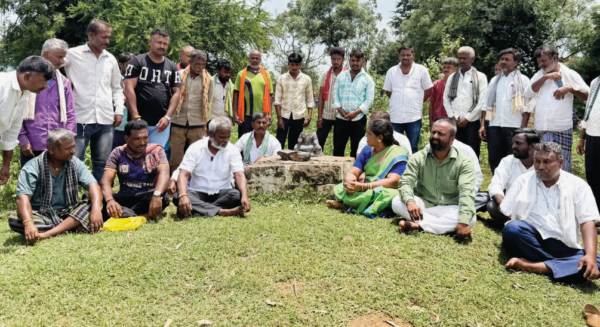
The group observed Śrīla Prabhupāda’s disappearance day at his birthplace, where the atmosphere was marked by quiet remembrance and scholarly reverence. Commemorative kirtan, reading, and guided discussion deepened understanding of his life, teachings, and their impact on global bhakti movements. Participants noted how the ritual cadence of remembrance fostered an academic appreciation of continuity and change within devotional lineages.
At Ulta Danga, where Śrīla Prabhupāda first met his spiritual master, Śrīla Bhaktisiddhānta Sarasvatī Ṭhākura, the visit served as a critical waypoint in mapping the intellectual history of Gaudiya Vaishnavism. The site provided context for how personal encounters catalyze institutional growth and philosophical transmission, shaping the future arc of spiritual organizations and pedagogy.
The property now falls under ISKCON’s custodianship, with ongoing efforts to preserve the site’s spiritual and cultural significance. This stewardship supports accessibility for pilgrims, researchers, and seekers, aligning preservation work with respectful engagement. The emphasis on open, reflective visitation reinforces values shared across Hinduism, Buddhism, Jainism, and Sikhismdevotion, study, and servicethereby nurturing dharmic unity.
Across temples, ashrams, and neighborhood shrines, Kolkata revealed a layered archive of lived tradition. The group documented how everyday practiceschanting, study circles, and sevainteract with the city’s historical narratives. This synthesis of devotion and documentation offered a model for academically grounded pilgrimage, where reflective observation complements spiritual immersion.
Participants consistently reported a deepened sense of connection: to Śrīla Prabhupāda’s legacy, to the guiding influence of Śrīla Bhaktisiddhānta Sarasvatī Ṭhākura, and to the broader Gaudiya Vaishnava tradition anchored in Kolkata. Many described how the city’s sacred sites function as living classrooms, making complex ideas in Hindu spirituality legible through practice and place.
The experience also highlighted a unifying insight: dharmic traditions share a commitment to inner cultivation, ethical living, and compassionate community. In a city woven with pilgrimage routes and cultural memory, these values are encountered not as abstract ideals but as observable, repeatable practicesreinforcing pluralism, mutual respect, and collaborative preservation of cultural heritage.
Inspired by this post on Dandavats.