The human forehead has long been recognized as a sacred space in Hindu traditions, a locus of awareness and devotion. Among its most distinctive sacred symbols, the Pundraoften called the Urdhva Pundrasignifies affiliation with Lord Vishnu and the Bhakti Tradition. This U-shaped forehead marking functions as both a theological statement and a daily discipline, integrating Hindu symbols, practice, and identity within a lived spiritual heritage.
Etymologically, Urdhva Pundra refers to an “upward” or “elevating” mark, signaling an orientation of the mind and heart toward the Divine. Placed between the eyebrowstraditionally associated with focused awarenessthis tilaka communicates reverence for Vishnu, remembrance (smarana), and the ideal of the body as a temple for dharma. In academic terms, it is a visible, repeatable ritual gesture that encodes belonging, virtue, and inner discipline.
The Pundra is typically applied with sacred clay or paste. Common materials include white clay (tiruman) in Sri Vaishnava communities, gopi-chandana in Gaudiya and Madhva lineages, and fragrant sandalwood paste in festival contexts. Devotees may add a central red or yellow lineoften associated with Sri (Lakshmi)thereby visually expressing the inseparability of compassion and preservation in Vishnu’s theology. The mark’s coolness on the skin, the faint earth-sandal scent, and the precision of the gesture create a multisensory ritual that many families recognize as a moment of stillness at dawn before daily duties begin.
While widely recognized as U-shaped, the Pundra’s form varies across sampradayas. Sri Vaishnavas often render two white vertical lines with a red Sri-stripe centered between them; Gaudiya Vaishnavas commonly draw a vertical tilaka that curves or joins at the base, sometimes with a subtle leaf motif signifying Tulasi; Madhva practitioners use two vertical clay lines with a fine central line made from sacred ash or raksha. Each variation conveys fidelity to a particular lineage while pointing to the same spiritual centerdevotion to Vishnu and the cultivation of sattva (clarity and harmony).
Beyond the single forehead mark, many communities observe the practice of dvadasha-tilaka, applying twelve small Pundras across the body while reciting the names of Vishnu. This embodied liturgy makes the entire person a field of remembrance, reinforcing the daily ethic of virtue and service. These practices are referenced in Purāṇic literature such as the Padma Purana and elaborated by acharyas who emphasize that external symbols should continually inspire inner transformation and humility.
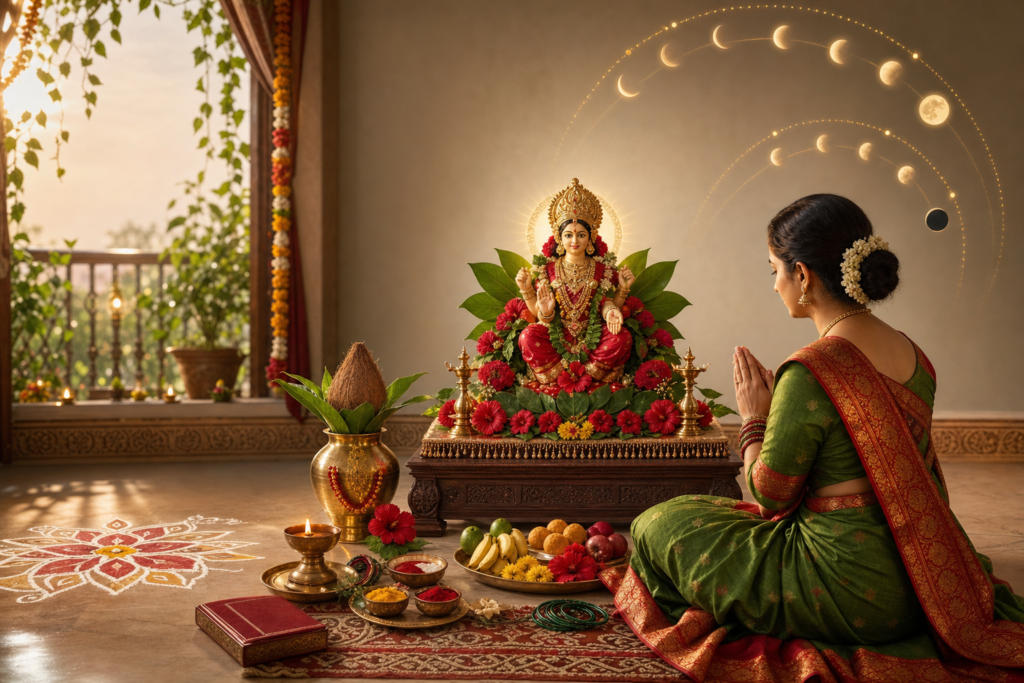
Ritually, the Pundra is applied after bathing, prior to puja, during temple visits, and on festival days. Culturally, it often marks familial bonds and communal belonginggrandparents teaching precise strokes to children, pilgrims refreshing the tilaka before entering a sanctum, and congregations adorned in shared signs during kirtan. These moments are emotionally resonant; they marry doctrine and affection, creating a living archive of memory, fragrance, rhythm, and form that sustains Hindu traditions across generations.
Viewed comparatively across dharmic traditions, the reverence for the forehead as a site of awareness fosters interfaith harmony. In many Jain communities, sandalwood or kumkum marks may be placed after puja as a sign of blessing; in parts of Buddhist South Asia, saffron or vermilion markings appear in specific ceremonial contexts; Sikh thought, while generally eschewing ritual marks, centers remembrance of the Divine Name (Naam), discipline, and ethical livingthe very inner intentions that the Pundra is meant to cultivate. Such convergences affirm unity in diversity: differing external forms, shared interior aims of compassion, self-restraint, and service.
In contemporary life, the Pundra also communicates cultural continuity and respectful pluralism. For some, it is worn daily; for others, it is reserved for sacred occasions. Academic study highlights the symbol’s layered meaningstextual, ritual, socialwhile lived experience shows how a simple U-shaped line can evoke belonging, focus, and serenity amid modern complexity. The Pundra thus endures as a concise, elegant sign: a reminder to align thought, word, and action with Vishnu’s virtues, and a bridge that encourages mutual respect among Hinduism, Buddhism, Jainism, and Sikhism.
Inspired by this post on Hindu Blog.