Power captivates early in life. An infant’s cry elicits immediate response, gradually teaching that attention can be commanded at will. As agency develops, individuals learn to borrow power from strength, status, beauty, or roles, and these learned tactics shape interpersonal dynamics. Yet across dharmic traditions, a consistent insight emerges: while power can distort the ego, it does not and cannot corrupt the Divine.
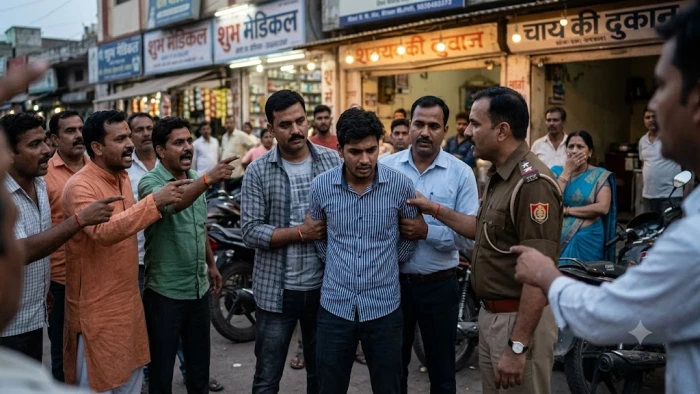
Everyday experiences illustrate this learning curve. A stronger sibling’s influence over a younger one, the social capital gained through beauty, or a provider’s authority within a household all represent forms of borrowed power. These patternsthough familiaroften produce cycles of frustration and reaction, where unmet needs or workplace slights cascade into anger at home. Such dynamics confirm that power, when tied to insecurity, amplifies fear rather than wisdom.
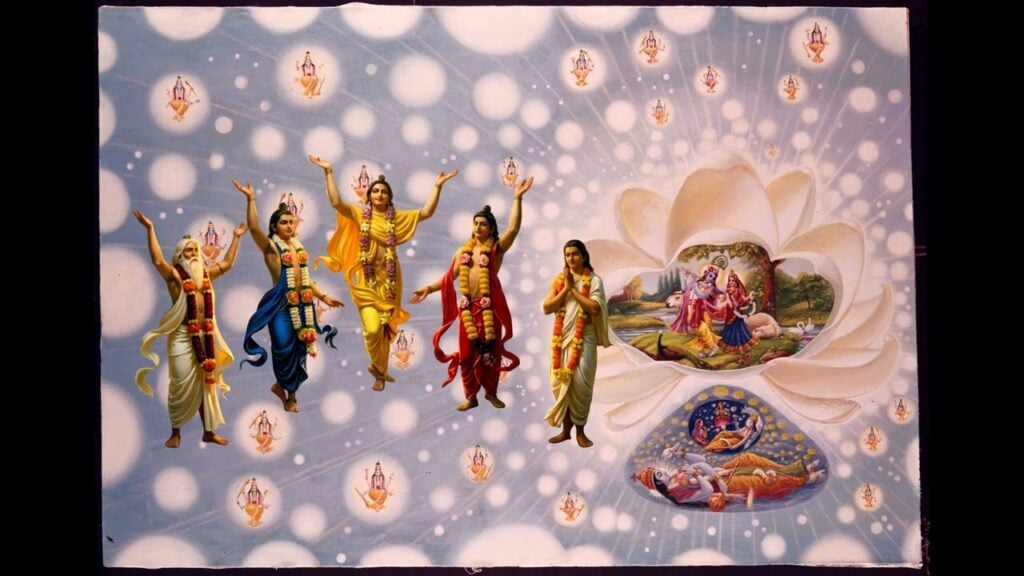
Dharmic perspectives bring needed clarity. In Hindu philosophy, Atmanidentical with Brahmanremains untouched by fluctuations in social power. Buddhist thought points to Buddha-nature as inherently pure, unaffected by grasping or aversion. Jainism holds that the siddha is beyond bondage and corruption, while Sikh teachings affirm Ik Onkar as the unchanging One. These converging insights emphasize an essential truth: the Divine is not altered by human power; instead, it is the ego that is susceptible to distortion.
Dharma reframes power as responsibility rather than dominance. The Bhagavad Gita situates action within duty aligned to satya and ahimsa, urging self-mastery over impulse. Sikh seva exemplifies power as service to the community. Jain practices such as pratikraman cultivate accountability and non-violence. Buddhist compassion and mettā transform the urge to control into the capacity to care. Through these pathways, power becomes stewardshipguided by clarity, restraint, and compassion.
Practical disciplines make this transformation tangible. Breath awareness and pranayama regulate reactivity before it escalates. Mindfulness and dhyana create a pause long enough to choose wisdom over habit. Japa and simran anchor attention in the sacred, reducing the compulsion to assert control. When practiced consistently, these methods convert short-term power plays into long-term inner strength and inner wisdom.
Relatable moments reveal the shift. The parent who notices irritation before speaking harshly, the colleague who listens instead of asserting status, or the friend who resists manipulation through charm all demonstrate dharma in action. Small corrections in daily conduct accumulate into character, and character refines power into ethical leadership.
This orientation serves unity among dharmic traditions. By emphasizing shared teachingsself-discipline, compassion, non-violence, and servicediverse paths converge on a common aim: aligning human agency with the uncorrupted Divine. Such unity strengthens communities, heals relationships, and elevates public life.
Power games may rule unexamined lives, but dharma offers a reliable alternative. The Divine remains beyond corruption; the task is to refine the instrument of actionthe mindso that power flows as service, not domination. When power follows dharma, it ceases to wound and begins to heal.
Inspired by this post on Dandavats.