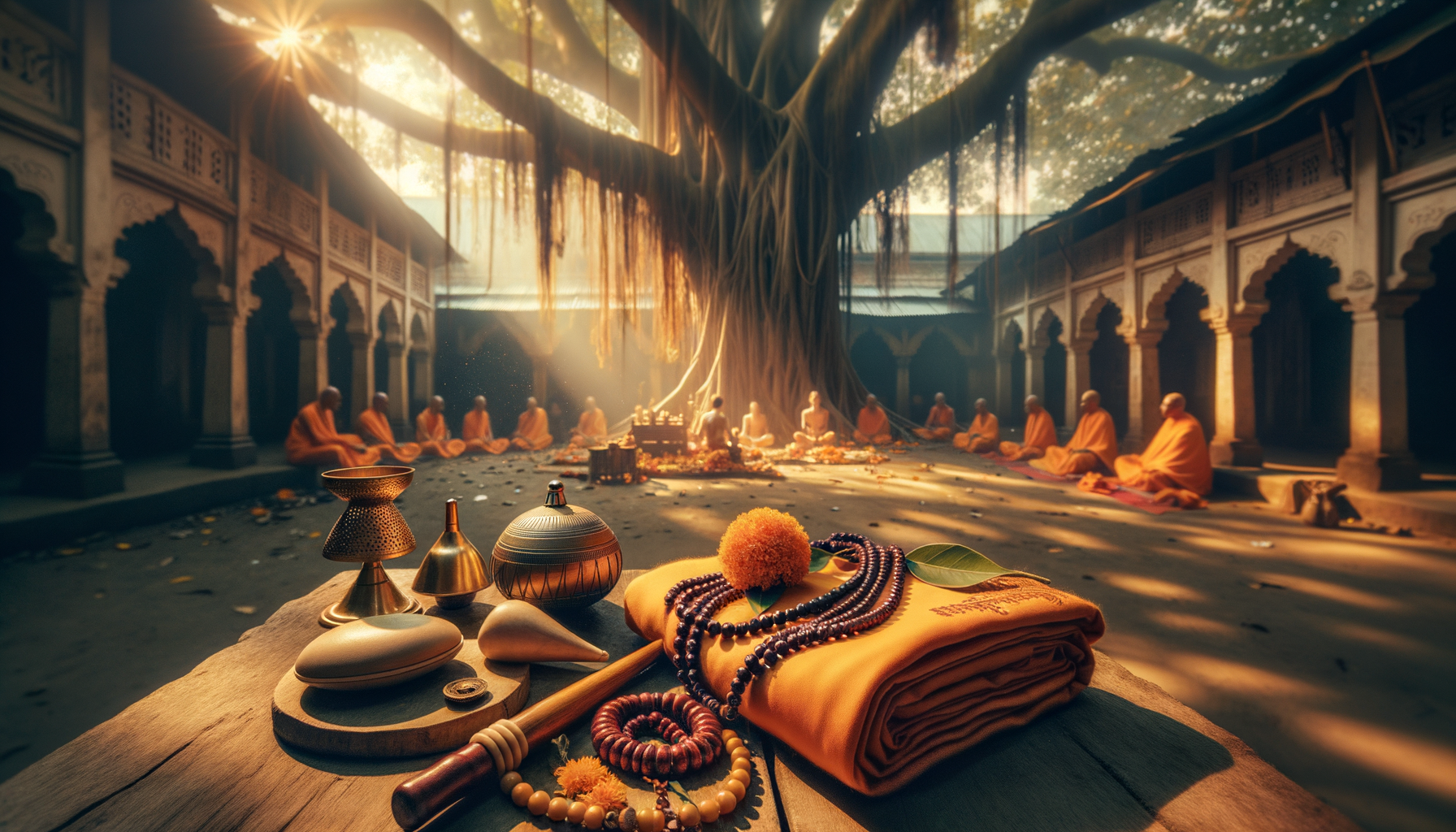
Katwa stands as one of the most sacred and historically significant sites within the Gauḍīya Vaiṣṇava tradition, revered as the place where Lord Caitanya formally accepted sannyāsa from Keśava Bhāratī Mahārāja. A recent visit to this pilgrimage center offered a measured, immersive engagement with its layered spiritual and cultural heritage.
Situated at the crossroads of devotional history and living practice, Katwa’s courtyardwhere the sannyāsa rite unfoldedembodies the turning point that catalyzed a broader bhakti renaissance. The memory of that initiatory moment continues to inform contemporary devotional life, shaping kirtan, pilgrimage (Tirtha-Yatra), and community remembrance across generations.
Hours were devoted to carefully recounting the details of this profound pastime, followed by sustained kirtan that deepened collective contemplation. The cadence of chanting fostered attentive reflection, allowing participants to experience devotion as both personal discipline and shared cultural inheritance.
Standing within the very courtyard where these events occurred created a palpable sense of rare good fortune. The experience offered a living encounter with sacred geography, enriching this month’s parikramas and reinforcing the value of pilgrimage as a disciplined pathway for spiritual insight, historical understanding, and ethical refinement.
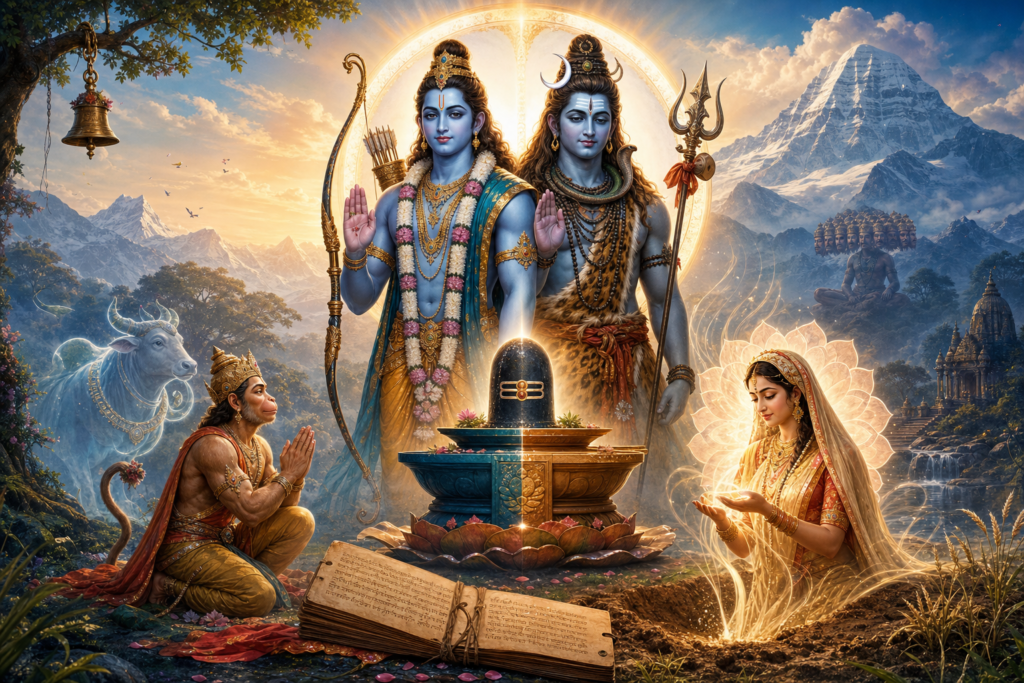
In the spirit of unity among dharmic traditions, the resonance of kirtanintegral to Hindu bhakti and deeply cherished within Sikh musical devotionmirrors the broader principles of renunciation, compassion, and self-cultivation that are equally esteemed in Buddhism and Jainism. Such convergences demonstrate how sacred sites like Katwa nurture harmony, mutual respect, and shared values across the diverse streams of the Indian spiritual landscape.
This visit thus functioned as a reflective study in Cultural Heritage and Spiritual Insight: honoring Lord Caitanya’s sannyāsa, recognizing the role of Keśava Bhāratī Mahārāja, and engaging with practices that continue to enliven the bhakti tradition. By integrating historical memory with lived devotion, Katwa affirms pilgrimage as a disciplined, unifying practice that sustains community, continuity, and inter-traditional understanding.
Inspired by this post on Dandavats.