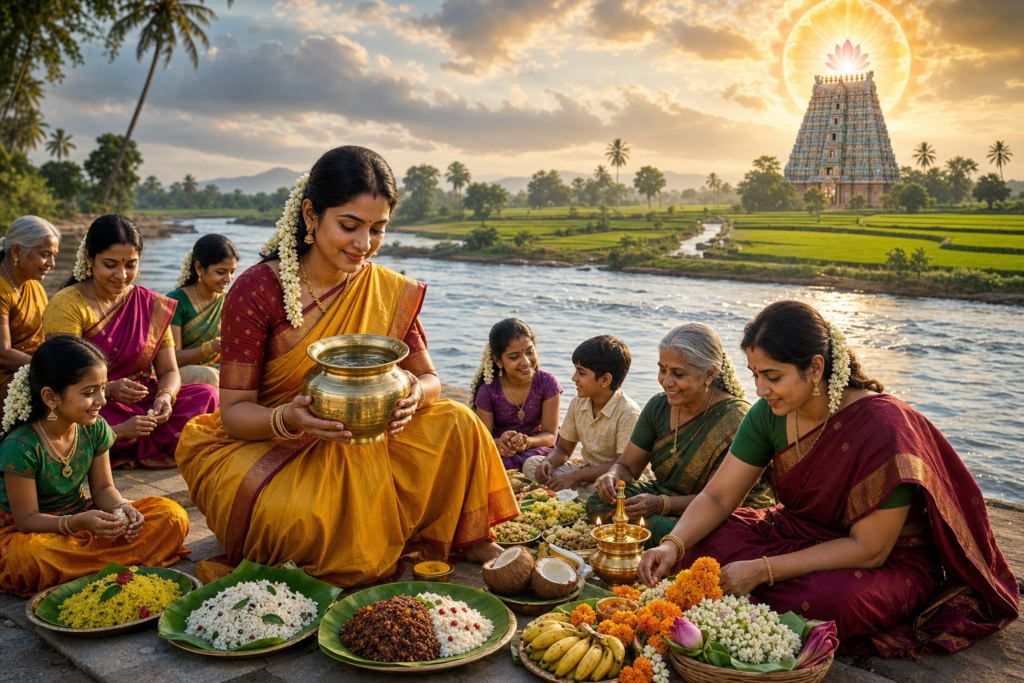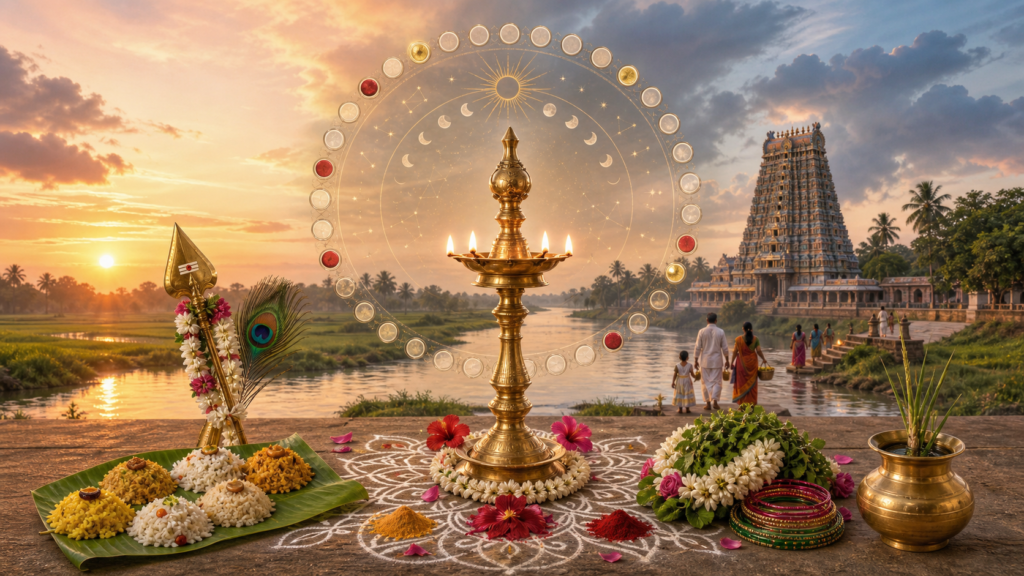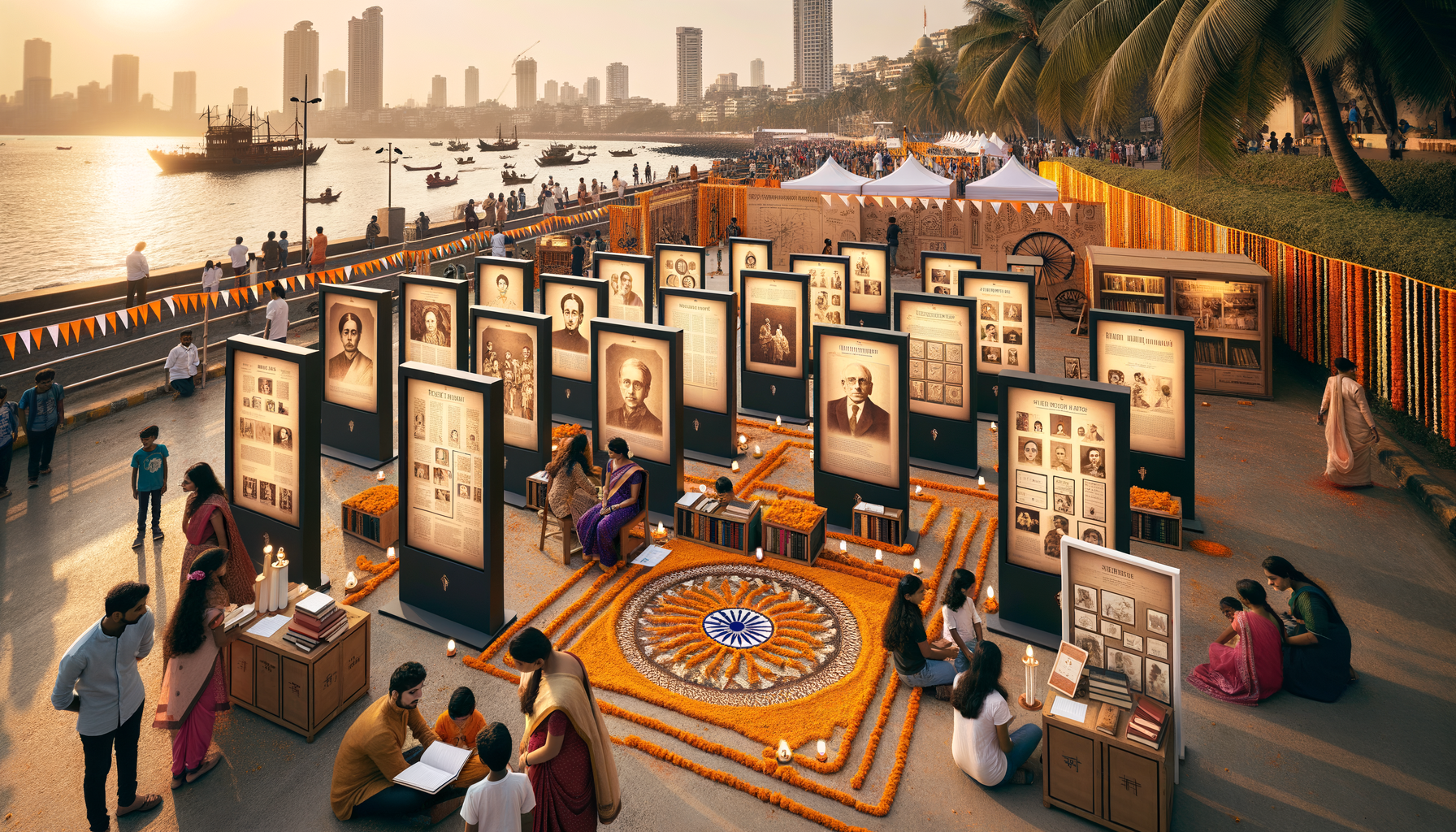
Rashtriya Swayamsevak Sangh (RSS) marked Vijayadashami (also known as Dusserah) in Worli (Mumbai) with a community-centered observance that highlighted cultural continuity and civic participation. The event featured the participation of Hindu Janajagruti Samiti (HJS), underscoring collaborative efforts to celebrate Hindu festivals while strengthening community bonds.
As the culmination of Navaratri, Vijayadashami symbolizes the triumph of dharma over adharma and serves as a reminder of ethical resolve, service, and social harmony. These values resonate across dharmic traditionsHinduism, Buddhism, Jainism, and Sikhismreinforcing Unity in Diversity and encouraging interfaith understanding grounded in shared principles of compassion and responsibility.
On this occasion, the Hindu Janajagruti Samiti curated a picture exhibition featuring accessible information about national heroes and revolutionaries. Through concise biographies, visual timelines, and archival imagery, the exhibit connected visitors with formative episodes in India's history and the diverse individuals who advanced freedom, reform, and social uplift.
Visitors encountered narratives that emphasized courage, integrity, and public service, facilitating reflective conversations among families, students, and elders. The academic curation and clear presentation supported experiential learning, transforming a festive gathering into an informal classroom of living history and Cultural Heritage.
The RSS–HJS collaboration foregrounded Community values and encouraged participants from varied backgrounds to reflect on shared civilizational ideals across dharmic paths. Without diluting distinct practices, the program affirmed common commitments to seva, nonviolence, self-discipline, and community cohesion, aligning with the broader aims of interfaith dialogue and social harmony.
By situating the celebration in Worli (Mumbai), organizers strengthened place-based identity and fostered inclusive participation in Community Events. Such public commemorations help preserve memory, inspire civic pride, and offer youth constructive role models grounded in service, scholarship, and ethical leadership.
Overall, the Worli Vijayadashami observanceenriched by the Hindu Janajagruti Samiti exhibitionprovided a balanced, academic, and engaging exploration of history and values. It demonstrated how Hindu festivals can serve as platforms for learning and unity while inviting Buddhists, Jains, and Sikhs to find common cause in timeless dharmic principles.
Inspired by this post on Hindu Jagruti Samiti.