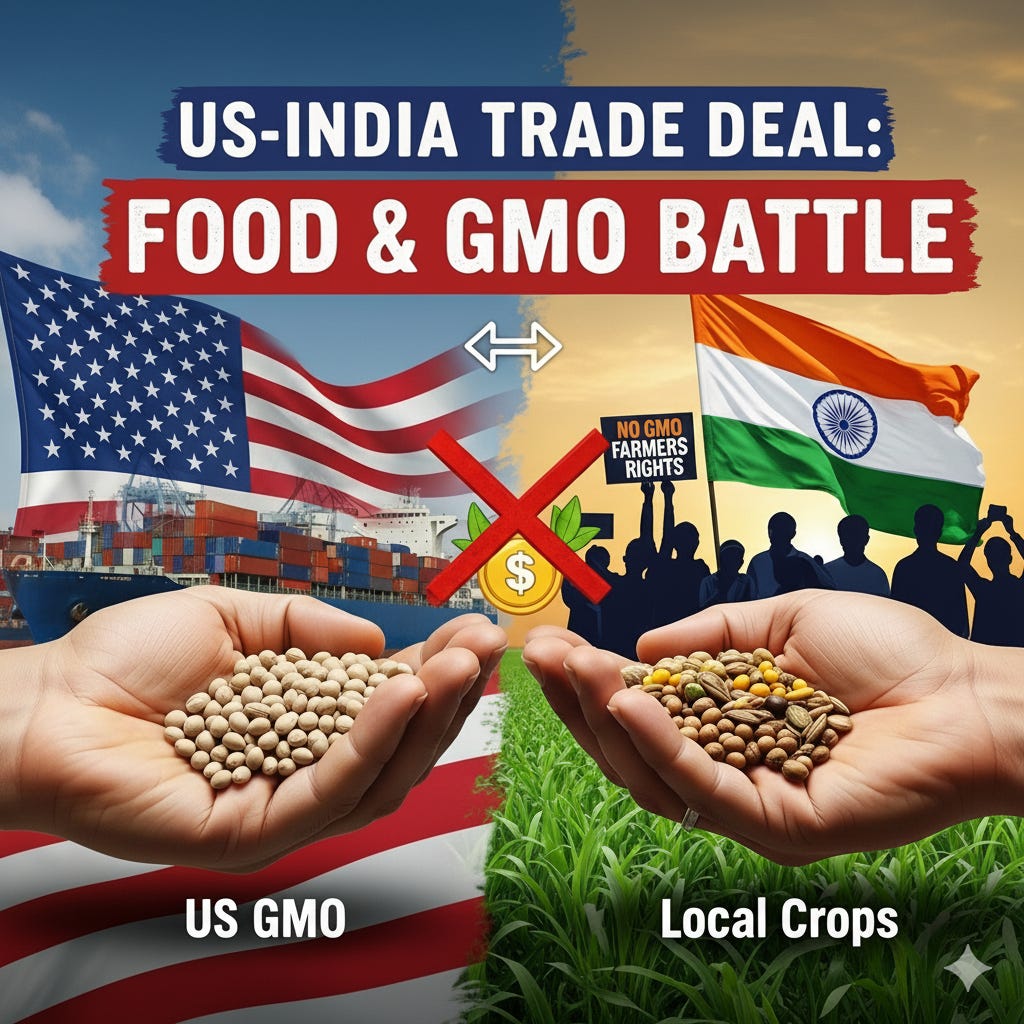
I’ve always been intrigued by the complexities of global trade, especially when it comes to agriculture. Recently, I discovered that one of the main reasons US-India trade talks hit a snag was the US’s insistence on India opening its agricultural markets. The US argues that India has imposed significant tariffs and non-tariff barriers on agricultural products, particularly affecting American exports.
Is this true? Absolutely! After the British left India, our agriculture was devastated, leaving us vulnerable to famines and dependent on global food aid. We’ve worked hard to achieve food security, and we’re not keen on risking it for the sake of trade deals.
Our agriculture sector employs some of the poorest Indians, and there’s a national drive to double their incomes every few years. This requires investment in cold chains, food processing, and related industries. Given the financial vulnerabilities of these communities, protective measures are needed.
Moreover, farm-sales lobbies, controlled by middlemen, often work against the farmers’ interests. When Modi introduced farm reform laws designed to benefit farmers, he had to retract them due to national interests. It’s a delicate balance to maintain.
There’s also a historical context for the barriers against US food importsour past with PL 480 still haunts us. But there’s another reason for the US push: RFK Jr.’s Make America Healthy Again movement is shaking up the US food industry, potentially affecting $1.2 trillion in sales. A decline could lead to job cuts and economic instability, something the US administration wants to avoid.
So, the US seeks new markets for its food products, but we know how companies think. They aim to offset losses from domestic changes and profit from international trade by targeting populous markets like ours.
We can’t afford another PL-480 situation. While we want RFK Jr. to improve the quality of US food products, we don’t want rejected goods sent to us. We aim to build a healthy, organic food ecosystem, free from unhealthy chemicals and additives.
It’s time for us to embrace our heritage of sustainable agriculture and stand firm for natural, organic foods. Stay strong, Modi-ji!