-
Cultivating Abundance: A Dharmic, Sustainable Blueprint to End Food Shortages Worldwide

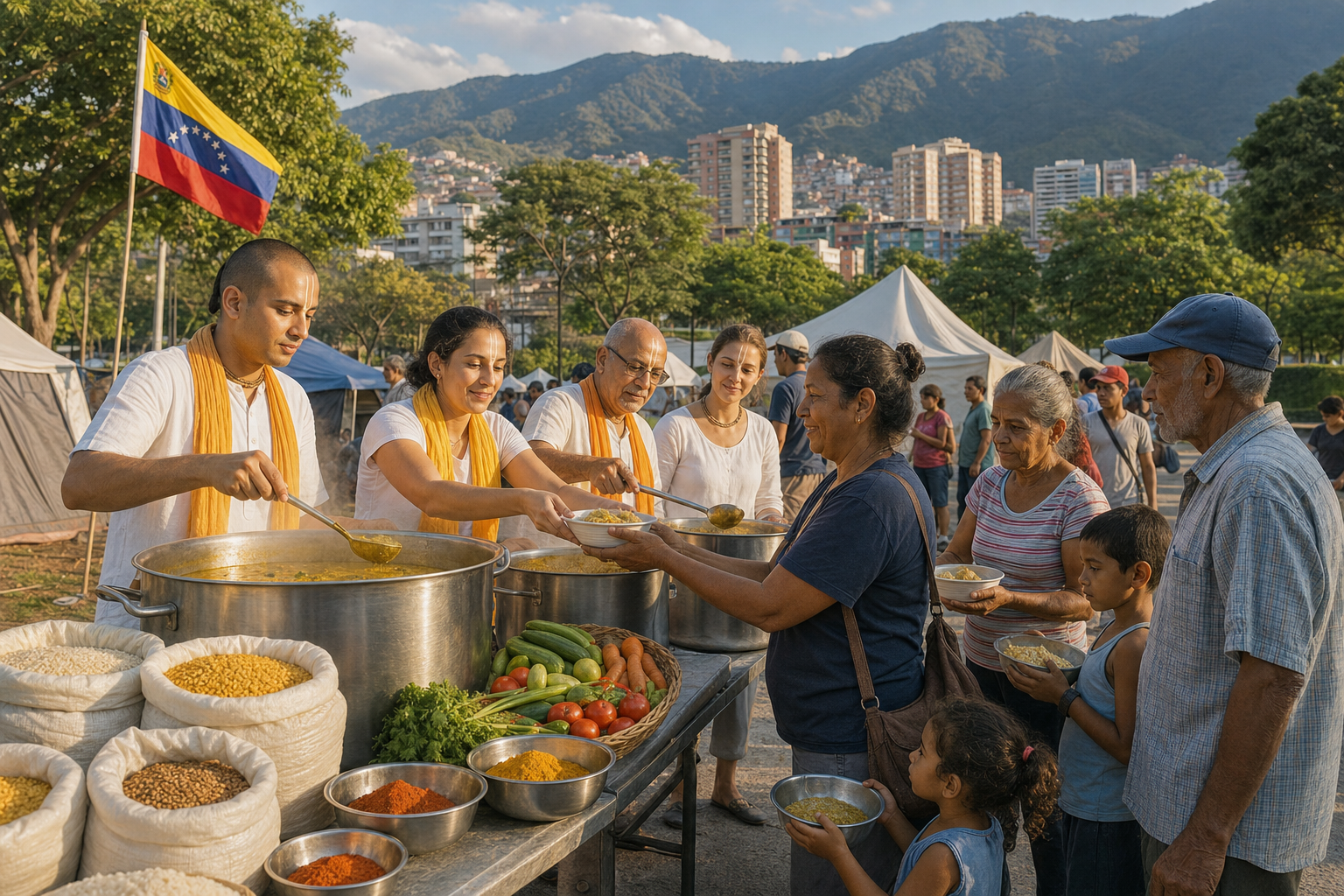
Food shortages stem less from absolute scarcity than from poor land use, waste, and weak market design. A dharmic ethic—uniting Dharma, Ahimsa, seva, and karuṇā—aligns naturally with modern agronomy to promote Sustainable agriculture and robust Food Security. The blueprint emphasizes proper utilization of suitable, currently idle land; regenerative soil and water stewardship; climate-resilient diversification with…
-
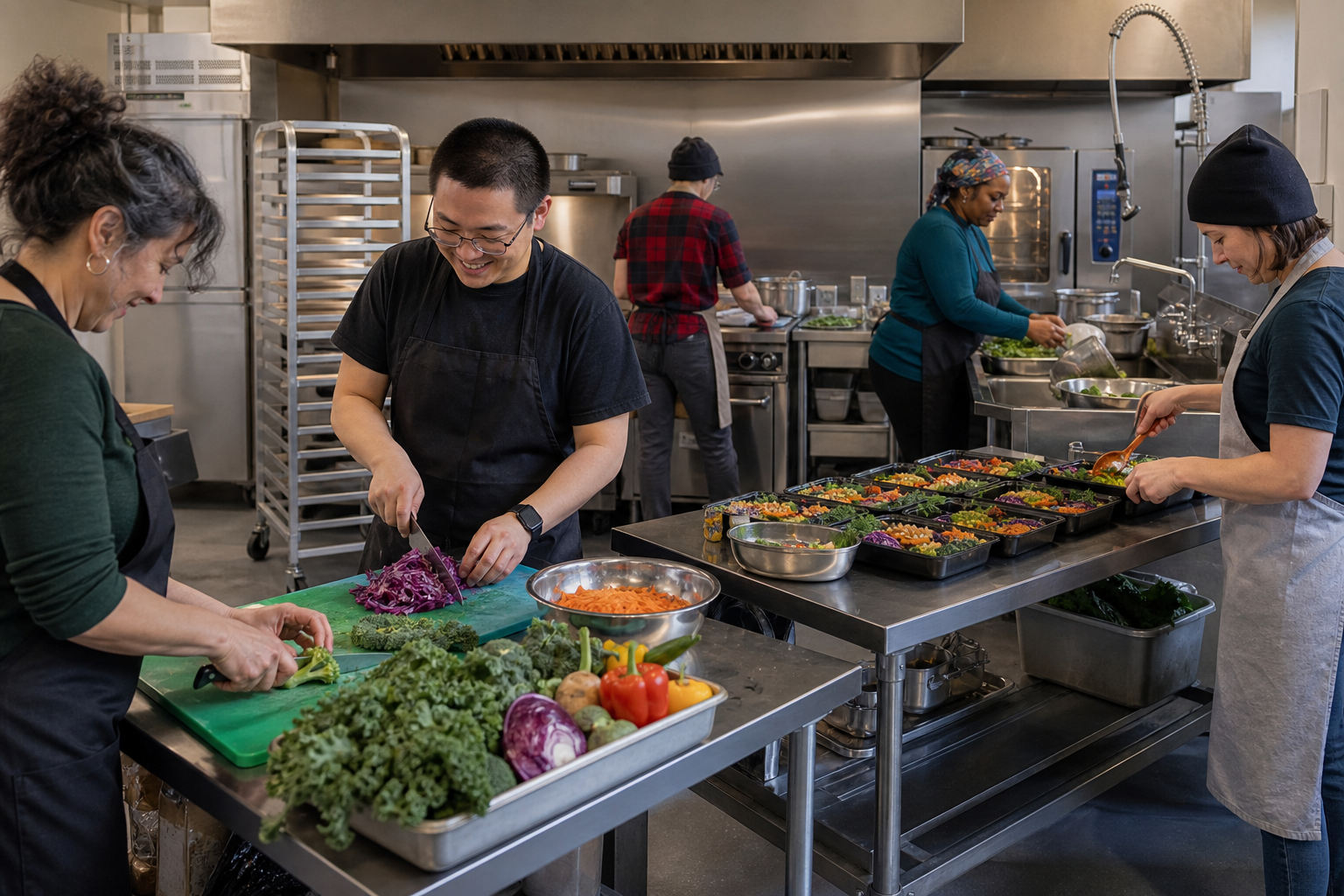
How $5 Krishna Lunch Nourishes Westwood: Seva, Dignity, and Student Food Security

A Daily Bruin profile of the Krishna Lunch program in Westwood highlights how a $5 meal model—led by Govinda Datta Dasa and Shantatma—translates Hindu spirituality into practical, dignity-first support for UCLA students. By starting work at 5:30 AM and serving five days a week, the team provides reliable, affordable nourishment that reduces food insecurity without…
-
Medha Kulkarni urges FSSAI to stop halal labels on non‑meat foods for clarity and trust

BJP MP Dr. Medha Kulkarni has requested that FSSAI prohibit halal certification on non-meat products, highlighting the need for consumer transparency and consistent, regulator-led labeling. The approach prioritizes clear food labeling on plant-based items, reducing confusion created by parallel religious certifications. It supports evidence-based oversight without undermining lawful religious practices where appropriate. For families across…
-
Essential Dharma of Food: Proven Paths to Transform Waste into Seva and Nourish Every Devotee

Lavish feasts and nearby hunger reveal a logistical, not theological, gap in food distribution. Drawing on annadanam, langar, dāna, ahimsa, and aparigraha, this piece outlines a unified dharmic ethic for equitable nourishment. It presents proven, low-friction strategies—data-informed meal planning, staggered serving windows, mobile distribution, and interfaith Community kitchens—that reduce waste and expand access. Governance tools…
-
Market Breakthrough: India’s Halal Food Demand Hits USD 19 Billion, Spurs Inclusive Growth
Ken Research reports that India’s halal food market has reached USD 19 billion, or approximately ₹1.77 lakh crore, highlighting strong demand for certified, trustworthy products. The surge reflects urbanization, organized retail, and rising expectations for hygiene, traceability, and transparent labelling. Growth in the India halal food market complements vegetarian, Jain, and sattvic traditions, demonstrating unity…
-
US–India Food Trade and PL‑480’s Ghosts: Proven Lessons to Master Today’s Negotiations

Why do agricultural tariffs, GMO rules, and food security loom so large in US–India trade talks? This analysis revisits the PL‑480 era to explain how food aid became a lever of geopolitics and why that memory still shapes India’s approach to international trade. It outlines the historical constraints of the 1950s–60s, the pressure during the…
-
Discover Why U.S.–India Agriculture Talks Stall: Proven Insights on Food Security and Fair Trade

Agriculture remains the fulcrum of U.S.–India trade friction because it touches food security, farmer livelihoods, and public health. India’s cautious stance reflects hard-learned lessons from PL 480 and a commitment to food sovereignty. With millions dependent on farming, calibrated protection supports income growth, cold-chain development, and resilient agro-processing. Concerns about standards, GMO labeling, and SPS…
-
Essential Breakthrough for Farmers: A Complete Risk-Sharing Blueprint to Transform Agriculture

In most industries, risk and capital are aligned, but agriculture is structurally different: farmers bear disproportionate production, climate, and price risk while other actors remain insulated. A balanced model requires financial, intellectual, and human capital to follow risk—through enforceable contracts, transparent markets, and robust post-harvest systems. Field evidence shows that smallholders face price crashes, storage…
-
Proven Blueprint to Transform Agriculture: Why Farmers Bear All Risk and How to Fix It

I map risk and capital across industries, and agriculture stands out as dangerously misaligned: farmers bear the highest risk with the least capital. While global policy has obsessed over yield and productivity, we’ve neglected risk-sharing and market access. In India, collusion among creditors, input suppliers, and buyers further concentrates risk on the farmer—reforms like Modi’s…
-
Why the US is Obsessed with Breaking into India’s Agriculture

-
Discover Why U.S.-India Agriculture Trade Talks Stall