-
CSA Honour for Dr. Sahota: Inspiring, Transformative Leadership in Sustainable Agronomy

Dr. Sahota has been recognised with a CSA honour for outstanding leadership in agronomy. This feature explains why CSA recognition matters and unpacks the science it typically celebrates: soil health, 4R nutrient stewardship, precision agriculture, climate-resilient cropping, and integrated pest management. It shows how systems agronomy links productivity, profitability, and planetary boundaries while protecting water…
-
Turning the Tide on Punjab’s Youth Unemployment: Data-Driven Jobs Plan with Dharmic Unity

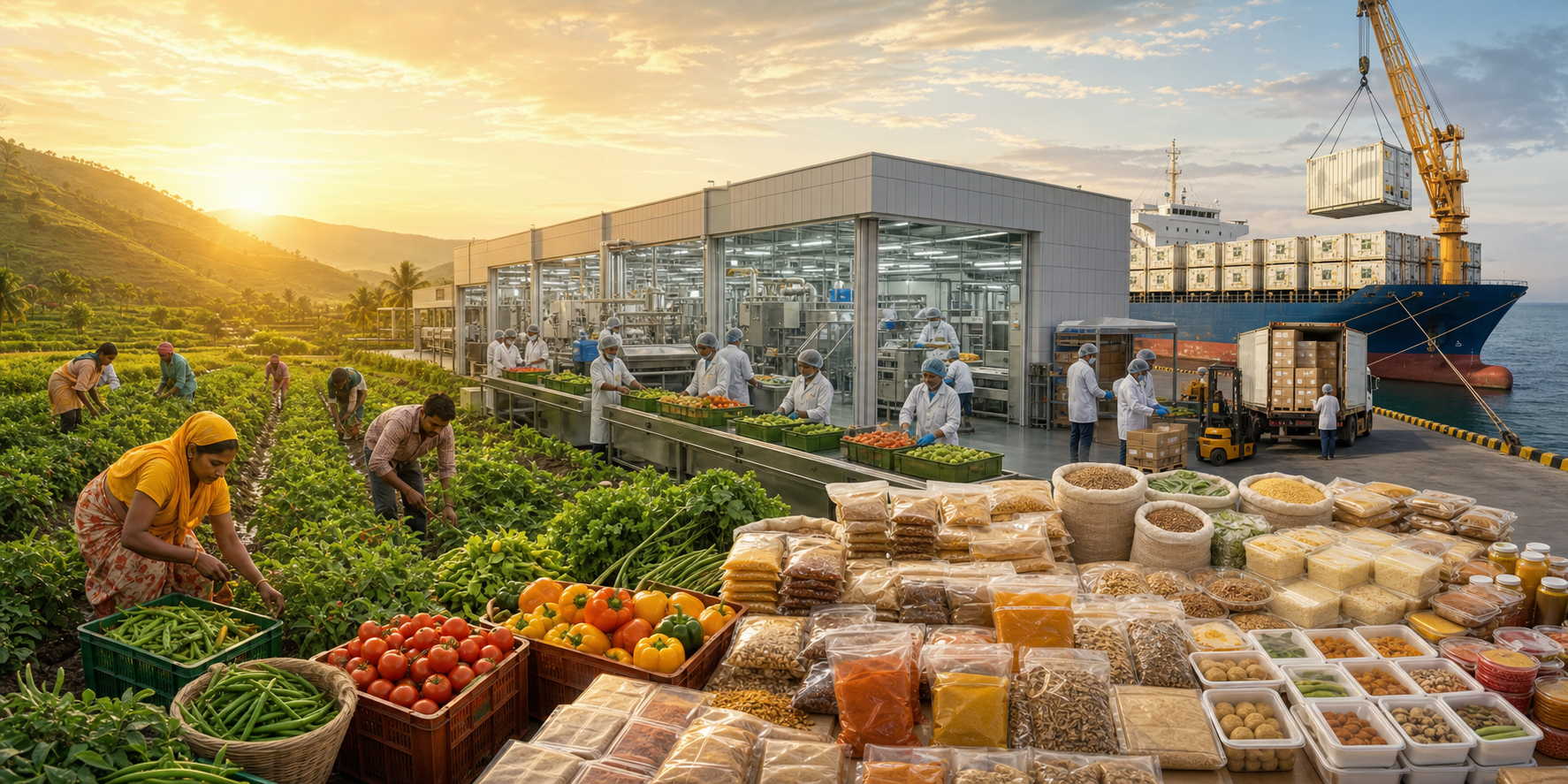
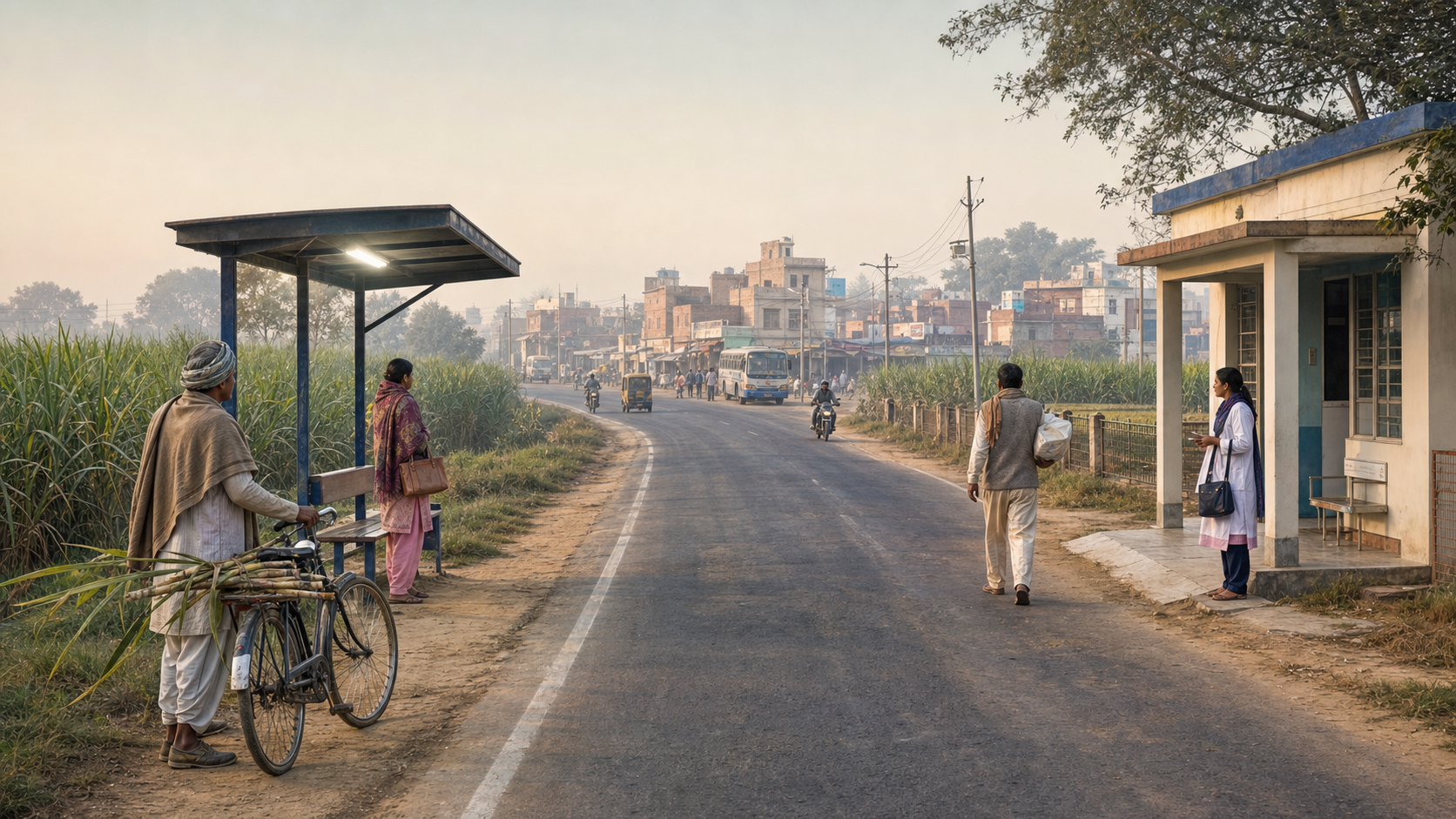
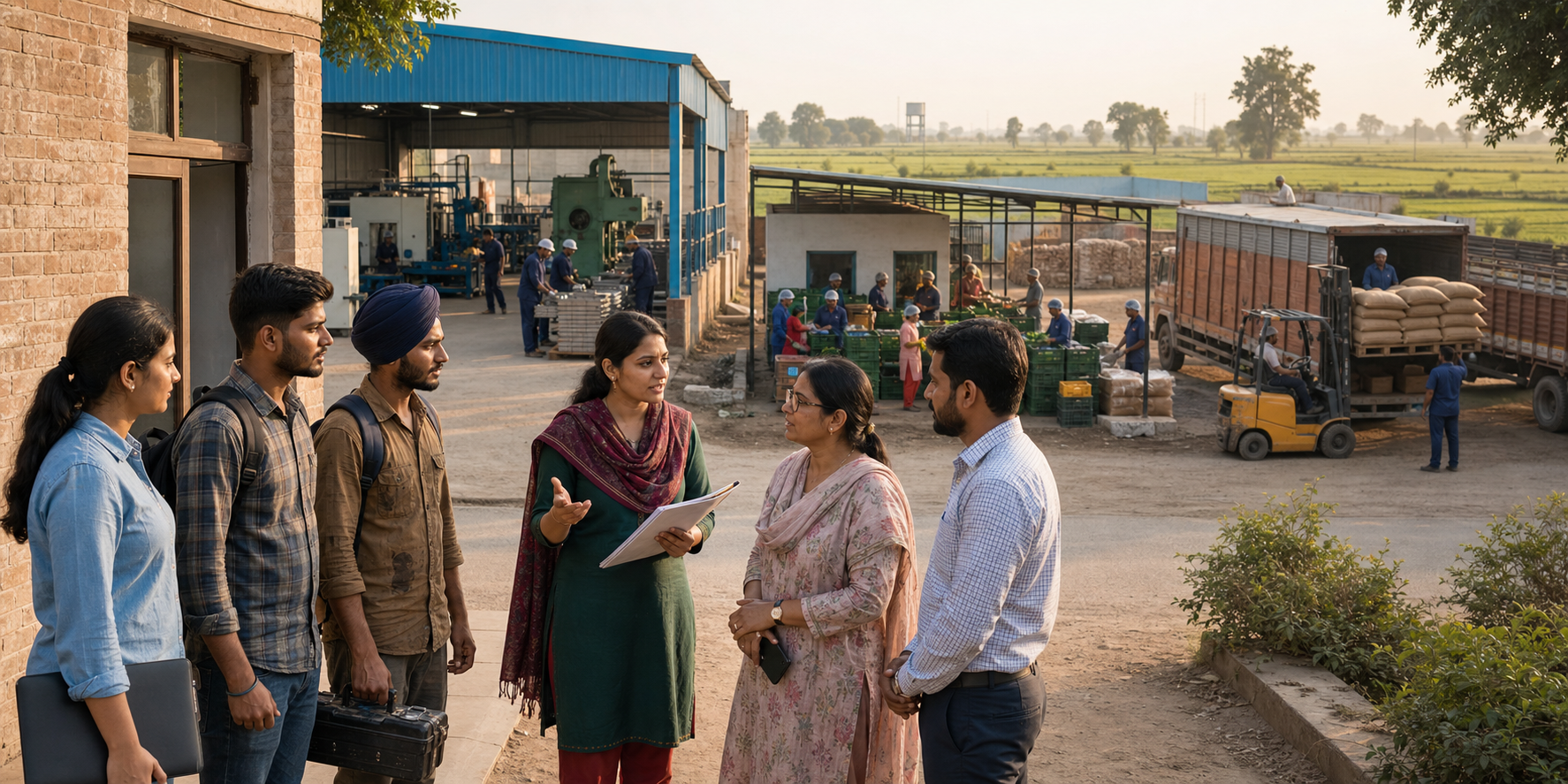
Punjab faces a stubborn youth unemployment challenge marked by skills mismatches, low female participation, and heavy reliance on agriculture with limited value-add. This analysis synthesizes insights from official labour surveys and employer feedback to propose a practical, data-driven jobs strategy. It prioritizes agricultural diversification and green transitions, manufacturing deepening in legacy clusters, and formal-service growth…
-
Uniting Farms and Temples: ISKCON’s 3rd National Goshalas & Farms Conference—Day 1, Ahmedabad 2026

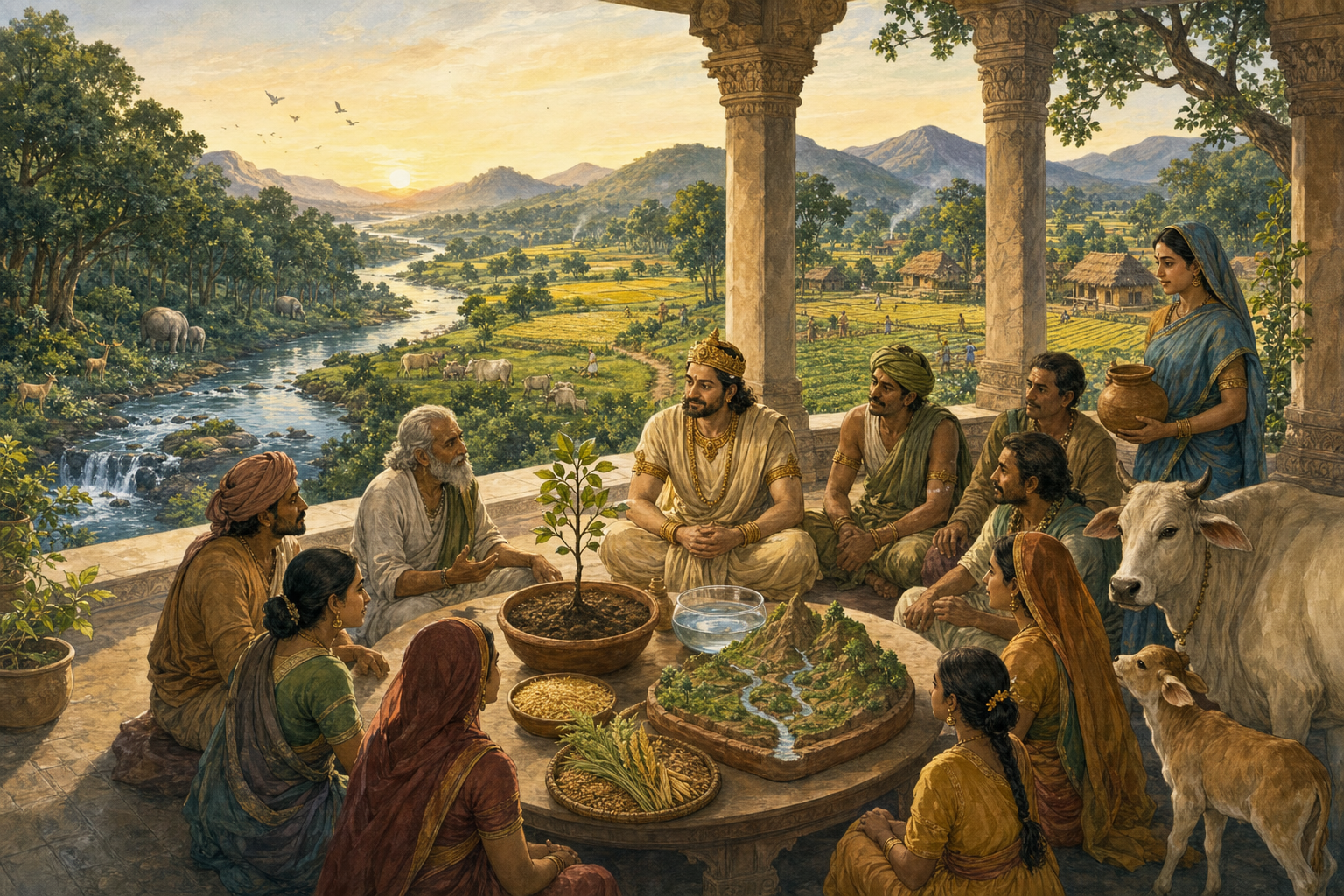
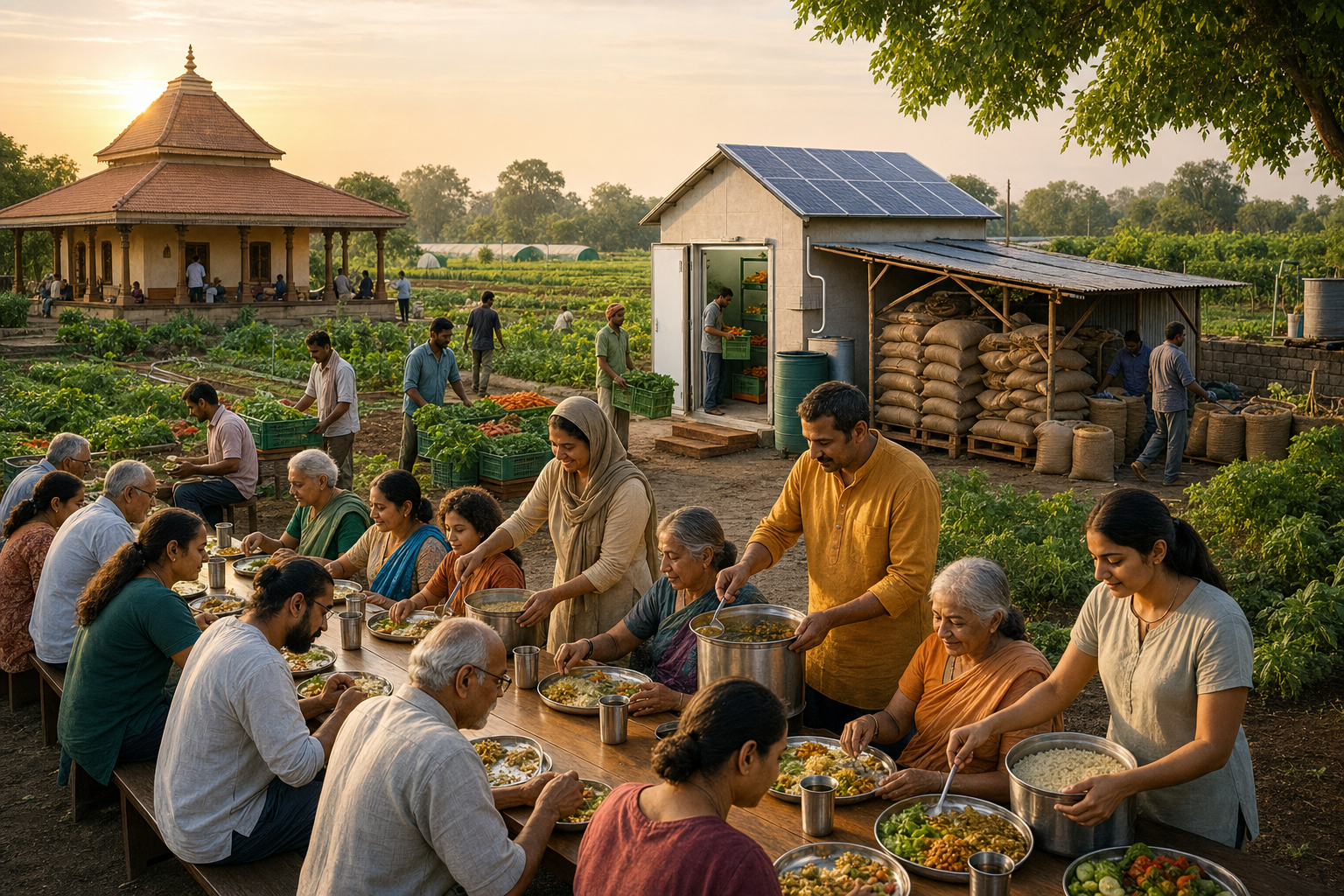
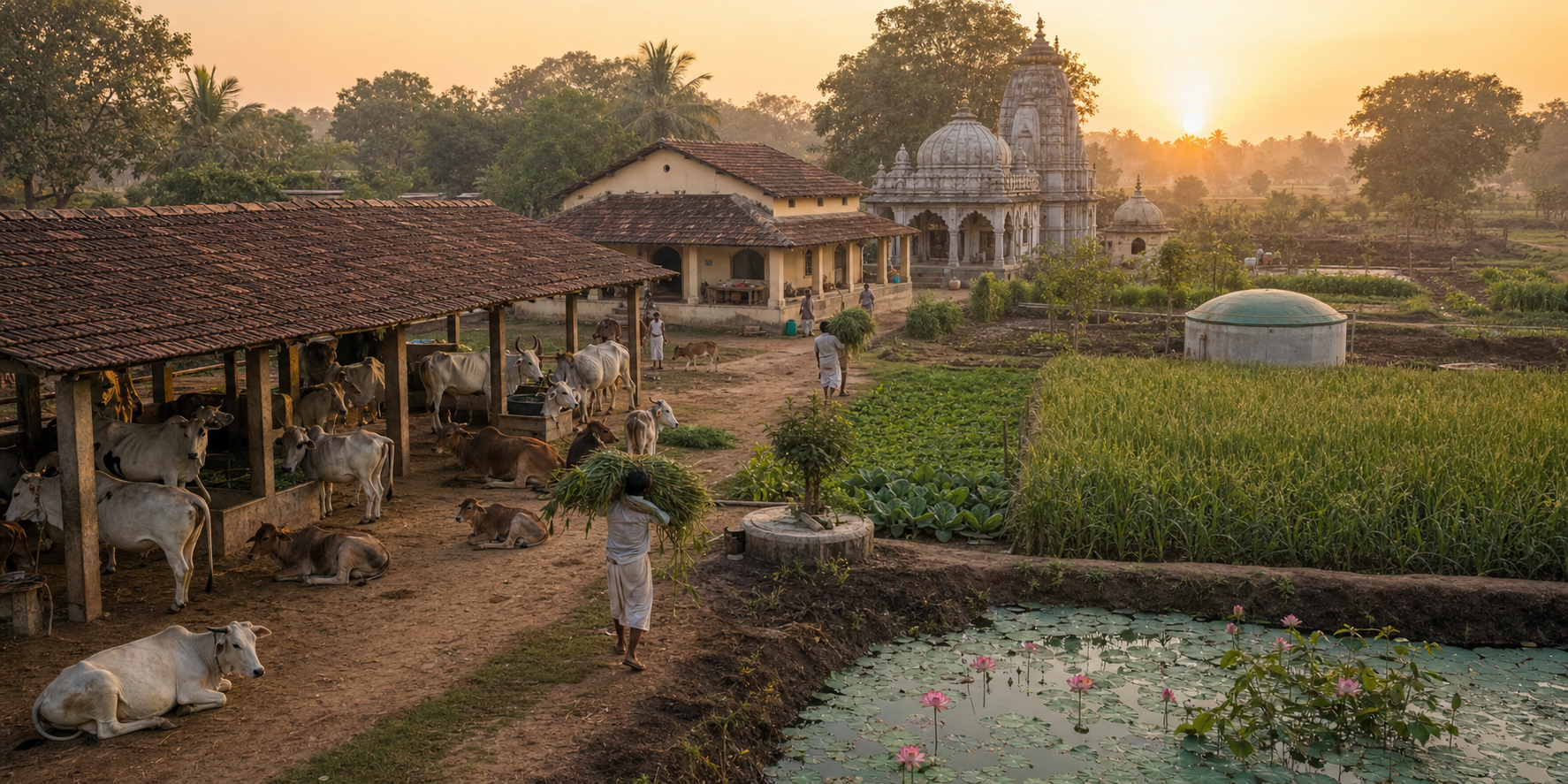
Day 1 of the 3rd National Conference (ISKCON GBC Ministry of Cow Protection & Agriculture), held on February 22, 2026 at Gopal Krishna Gaushala in Ahmedabad, set a practical blueprint for unifying farms and temples through “Krishi Go-Raksha Vanijyam.” The sessions translated dharmic ethics and Vedic Traditions into actionable plans for Sustainable agriculture, integrating cow-centered…
-
Punjab’s Silent Cancer Epidemic: Urgent Actions to Protect Families, Farms, and Futures

Punjab faces a silent cancer epidemic, especially in the Malwa belt, where families shoulder the burden of late diagnoses and long-distance care. This analysis outlines the main risk factors—agrochemical exposure, groundwater contamination hot spots, industrial effluents, open burning, and lifestyle risks—while emphasizing prevention through screening and environmental health. Readers gain a clear roadmap: integrated pest…
-
Surajya Abhiyan Decries Remote Oversight as Pests Batter Sindhudurg’s Mango Crop

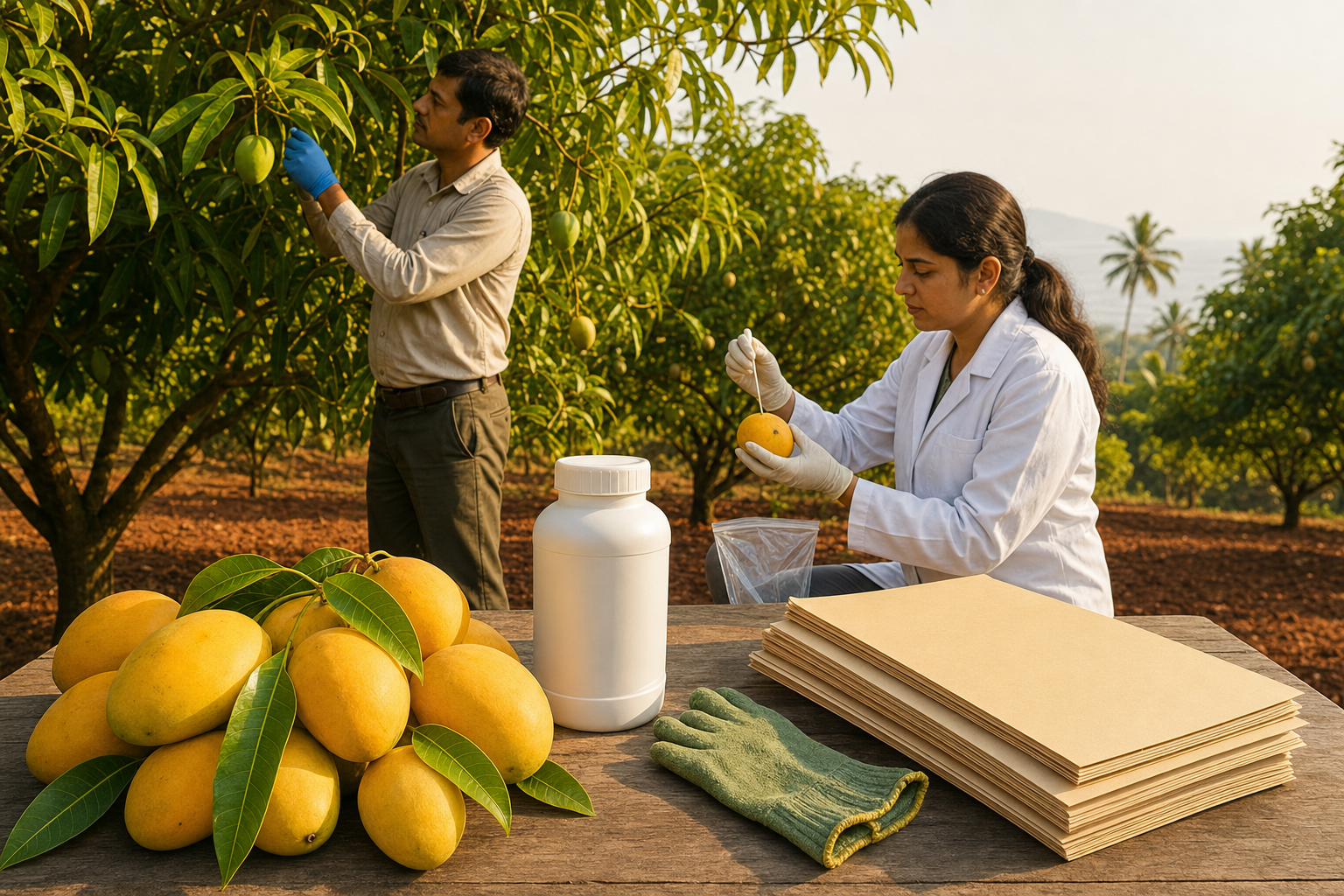
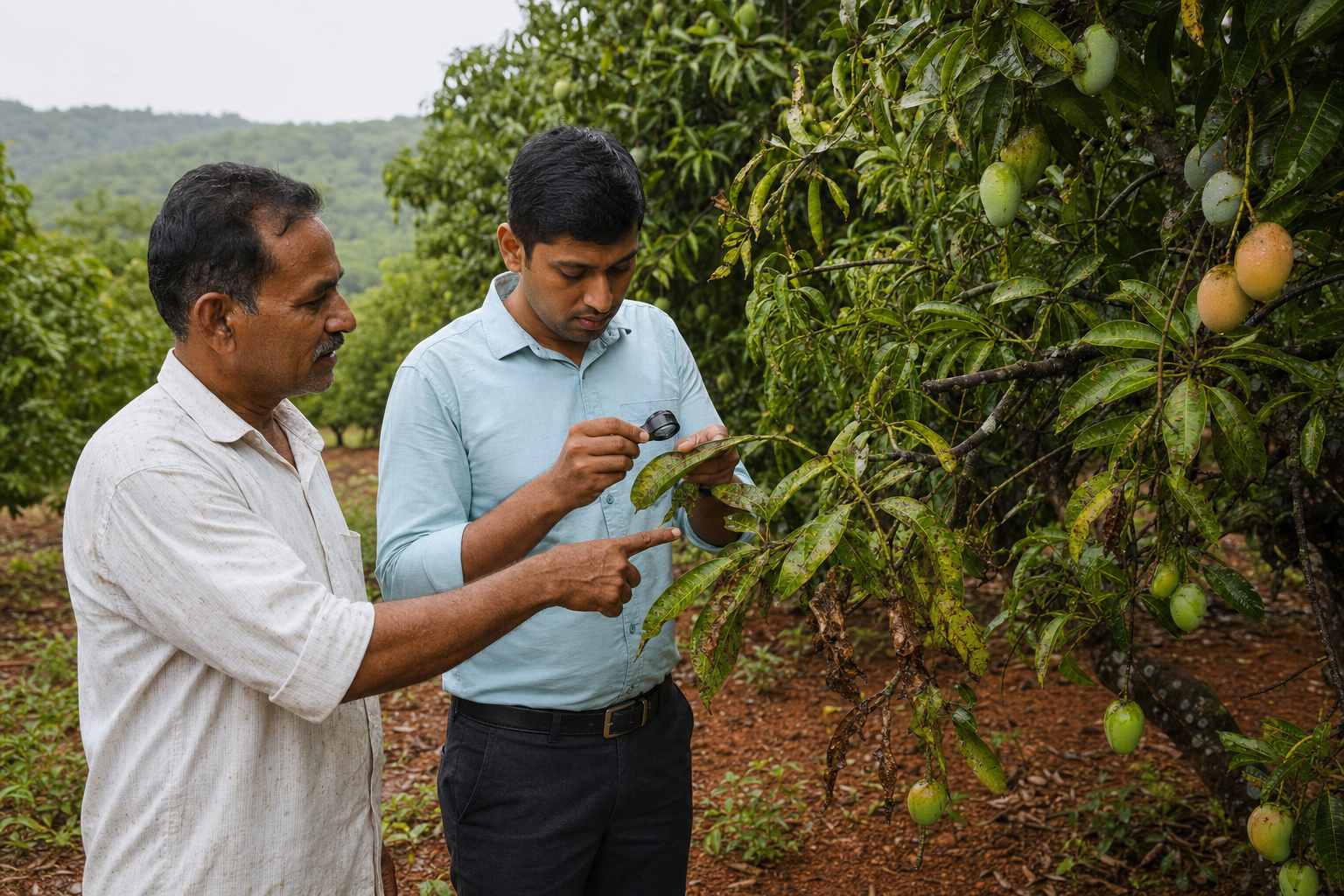
Pest outbreaks are threatening Sindhudurg’s mango crop, prompting Surajya Abhiyan to question the value of remote, Mumbai-based oversight versus on-ground support. This analysis explains why proximity is crucial for timely diagnostics, targeted IPM, and effective advisories. It outlines practical steps—field surveys, localized guidance, and reliable helplines—to reduce losses and strengthen trust. Readers gain clarity on…
-
Punjab’s River Water Crisis: Unraveling Decades of Injustice and a Path to Renewal

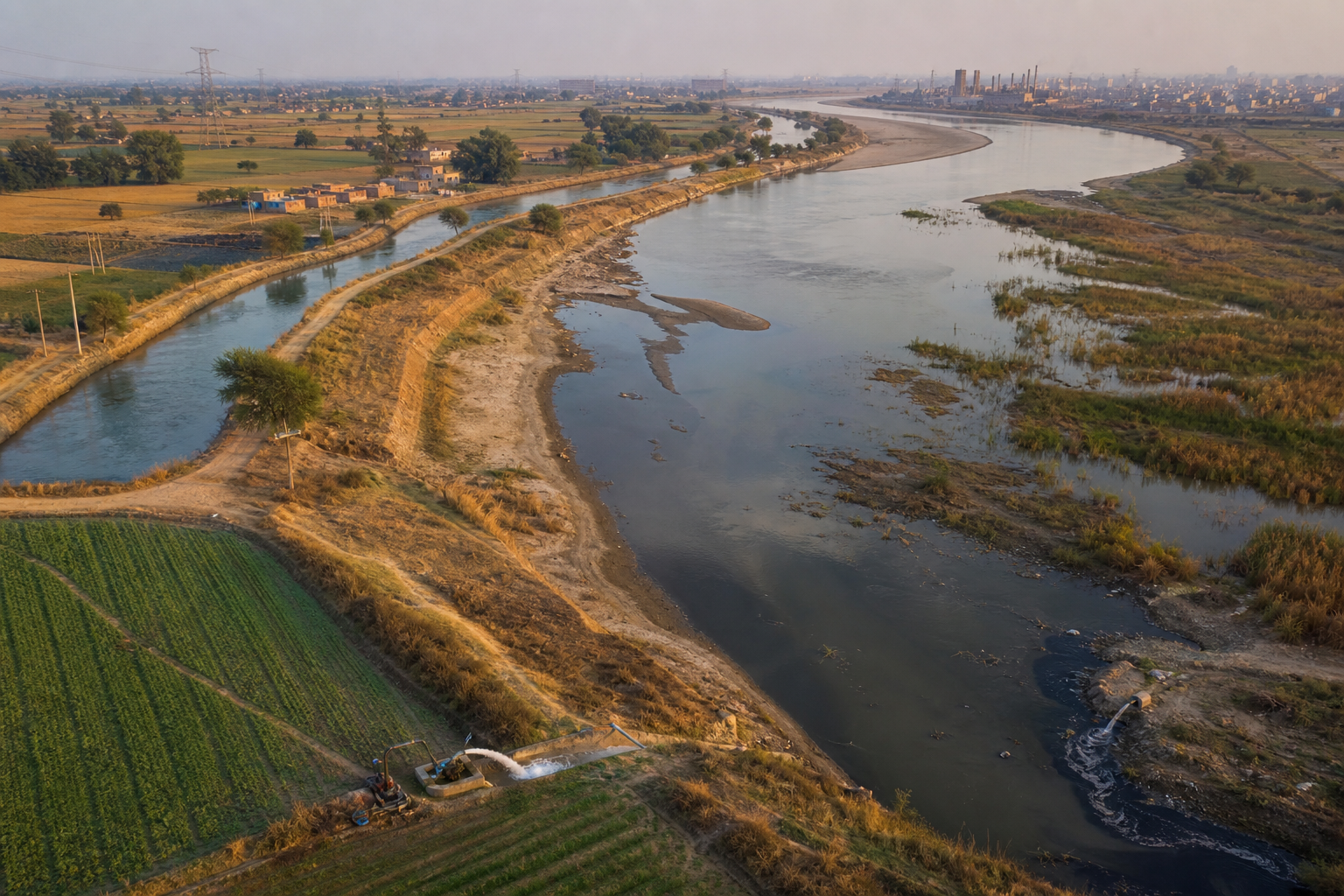
Punjab’s river water crisis reflects decades of policy, ecological, and interstate misalignments that depleted aquifers, strained canals, and heightened public health concerns. This post traces the historical arc from colonial canals to Green Revolution incentives and modern hydropolitics, including the SYL dispute. It highlights community experiences—farm wells deepening, tail-end canal shortfalls, and water quality anxieties—while…
-
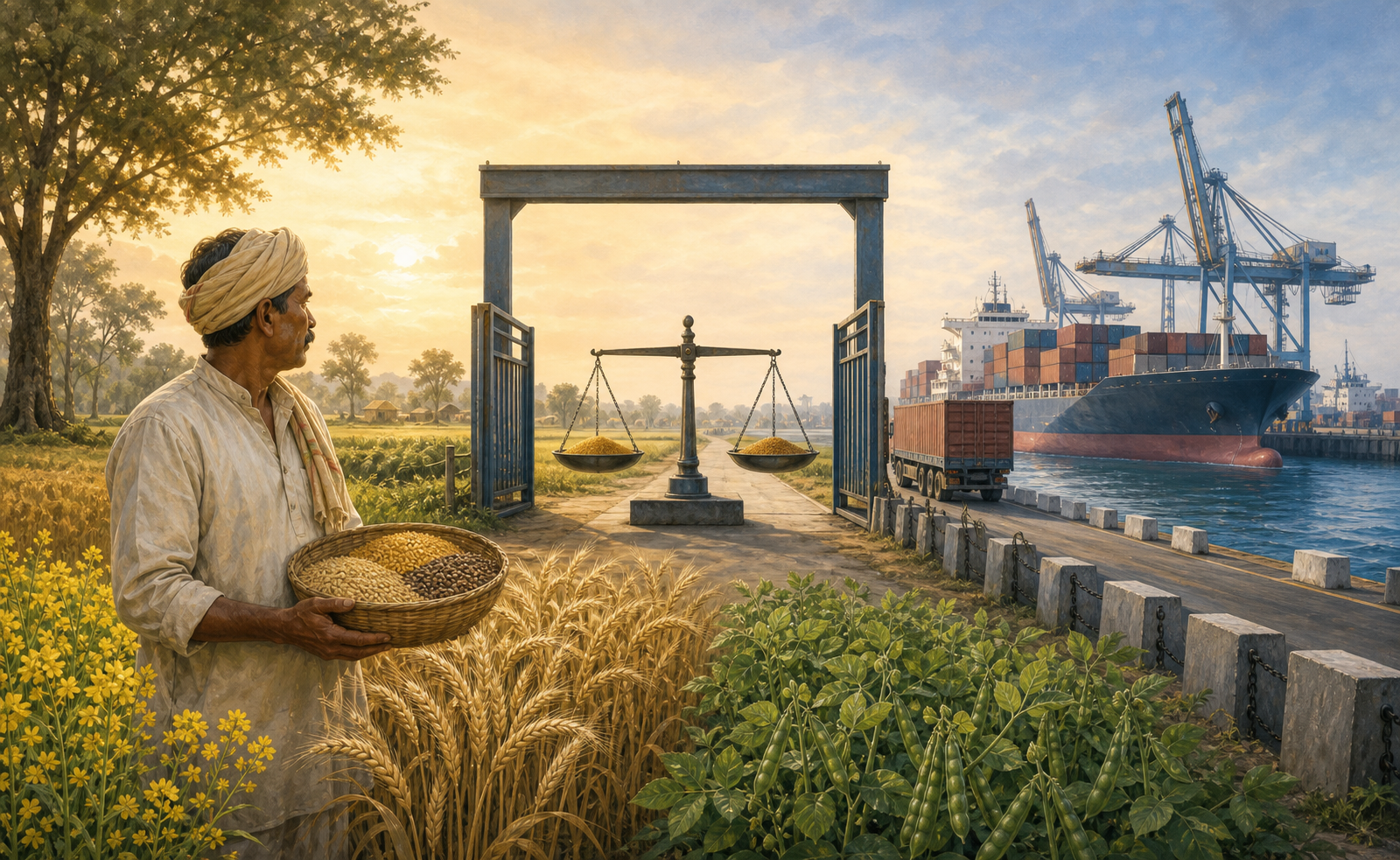
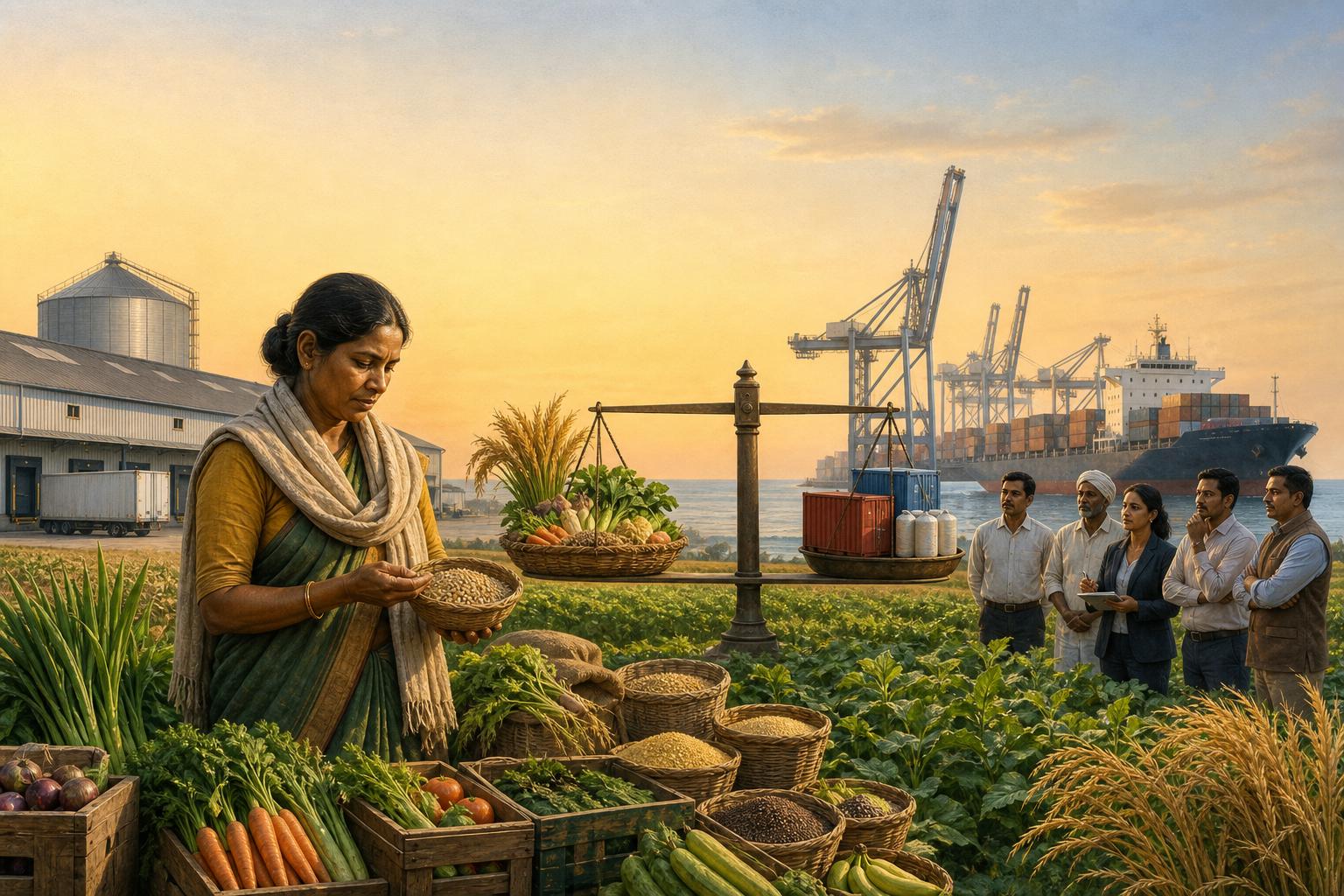
US–India Food Trade and PL‑480’s Ghosts: Proven Lessons to Master Today’s Negotiations

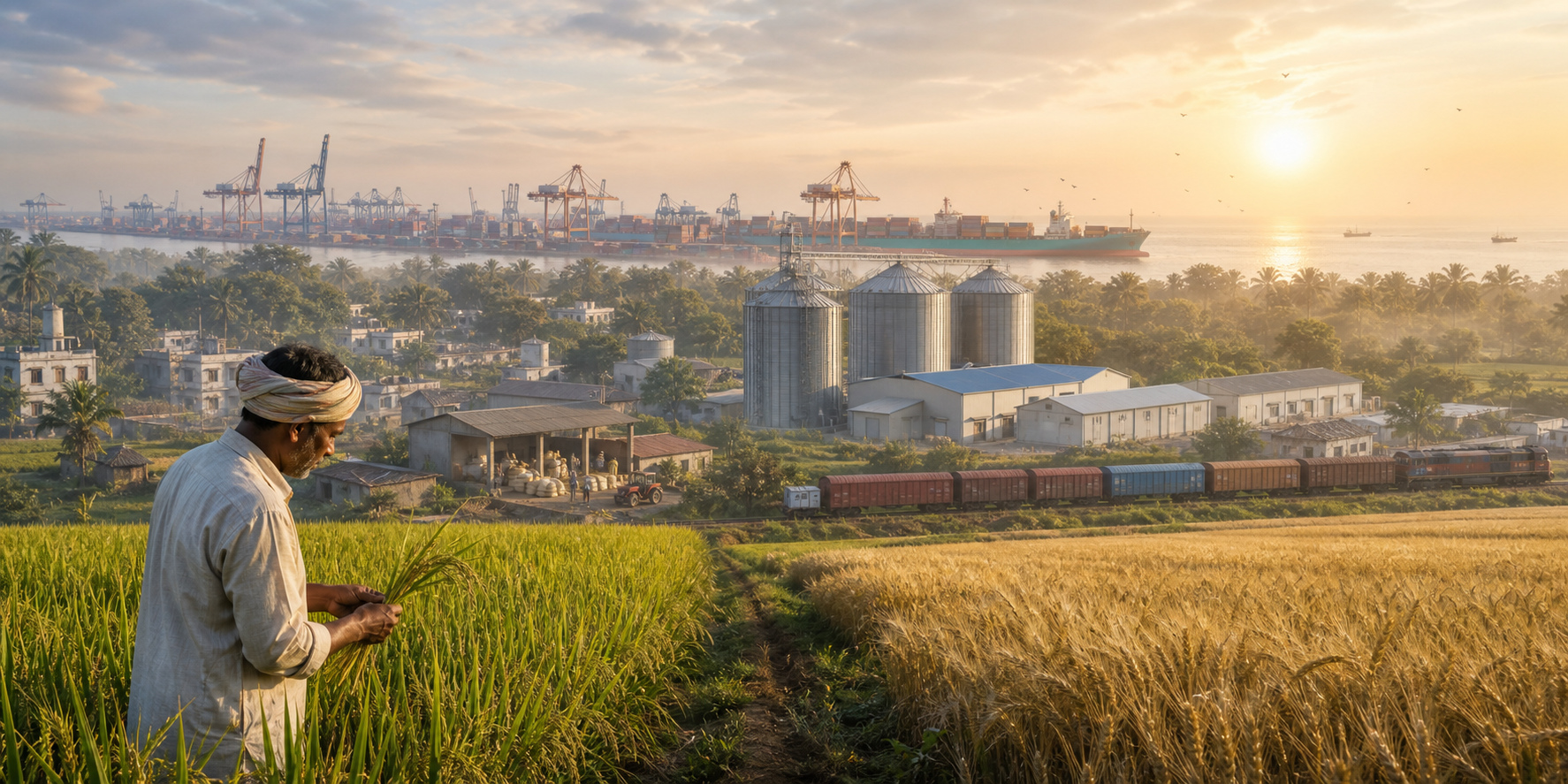
Why do agricultural tariffs, GMO rules, and food security loom so large in US–India trade talks? This analysis revisits the PL‑480 era to explain how food aid became a lever of geopolitics and why that memory still shapes India’s approach to international trade. It outlines the historical constraints of the 1950s–60s, the pressure during the…
-
Essential Breakthrough for Farmers: A Complete Risk-Sharing Blueprint to Transform Agriculture

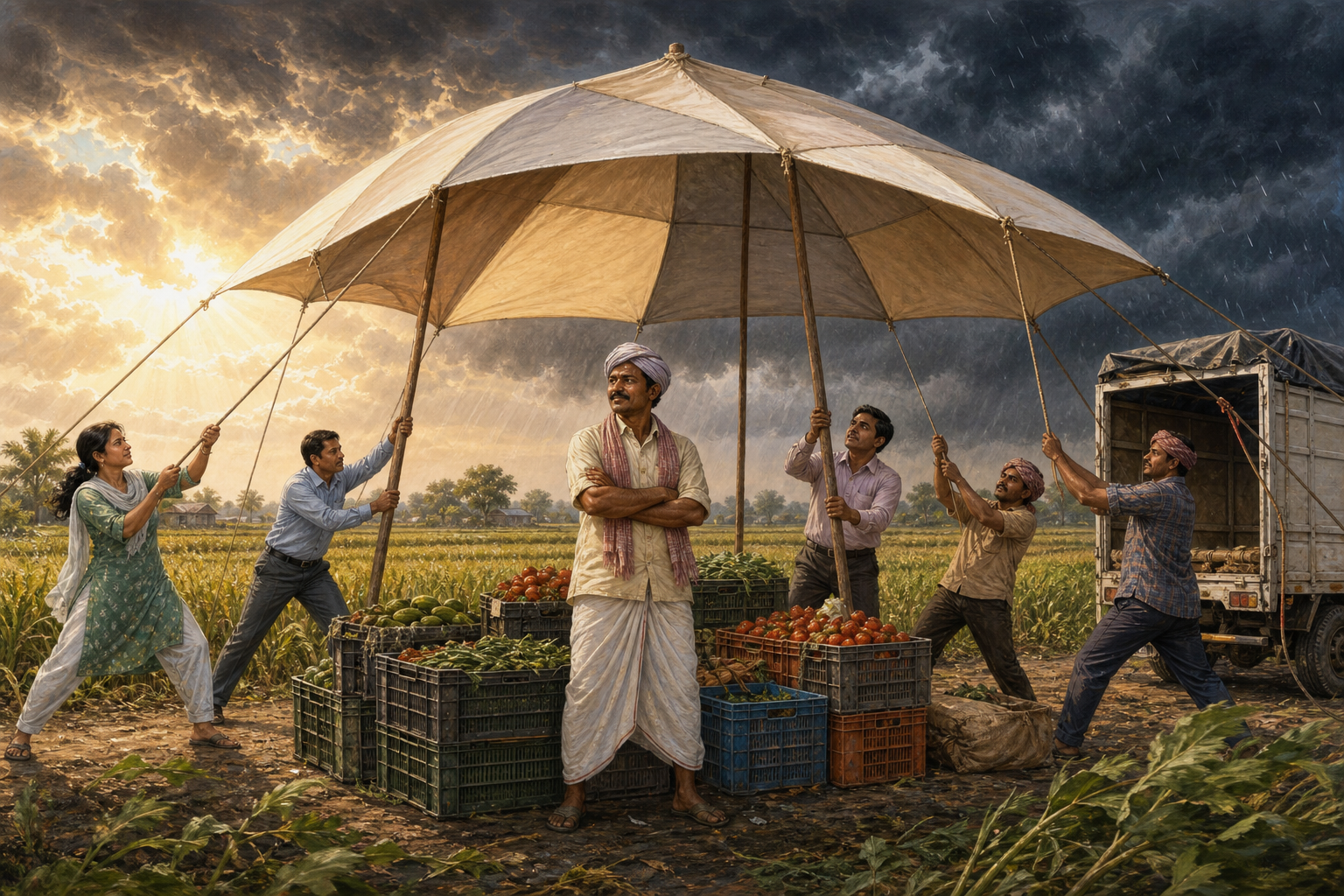
In most industries, risk and capital are aligned, but agriculture is structurally different: farmers bear disproportionate production, climate, and price risk while other actors remain insulated. A balanced model requires financial, intellectual, and human capital to follow risk—through enforceable contracts, transparent markets, and robust post-harvest systems. Field evidence shows that smallholders face price crashes, storage…
-
Proven Blueprint to Transform Agriculture: Why Farmers Bear All Risk and How to Fix It

I map risk and capital across industries, and agriculture stands out as dangerously misaligned: farmers bear the highest risk with the least capital. While global policy has obsessed over yield and productivity, we’ve neglected risk-sharing and market access. In India, collusion among creditors, input suppliers, and buyers further concentrates risk on the farmer—reforms like Modi’s…
-
Why the US is Obsessed with Breaking into India’s Agriculture

-
Discover Why U.S.-India Agriculture Trade Talks Stall