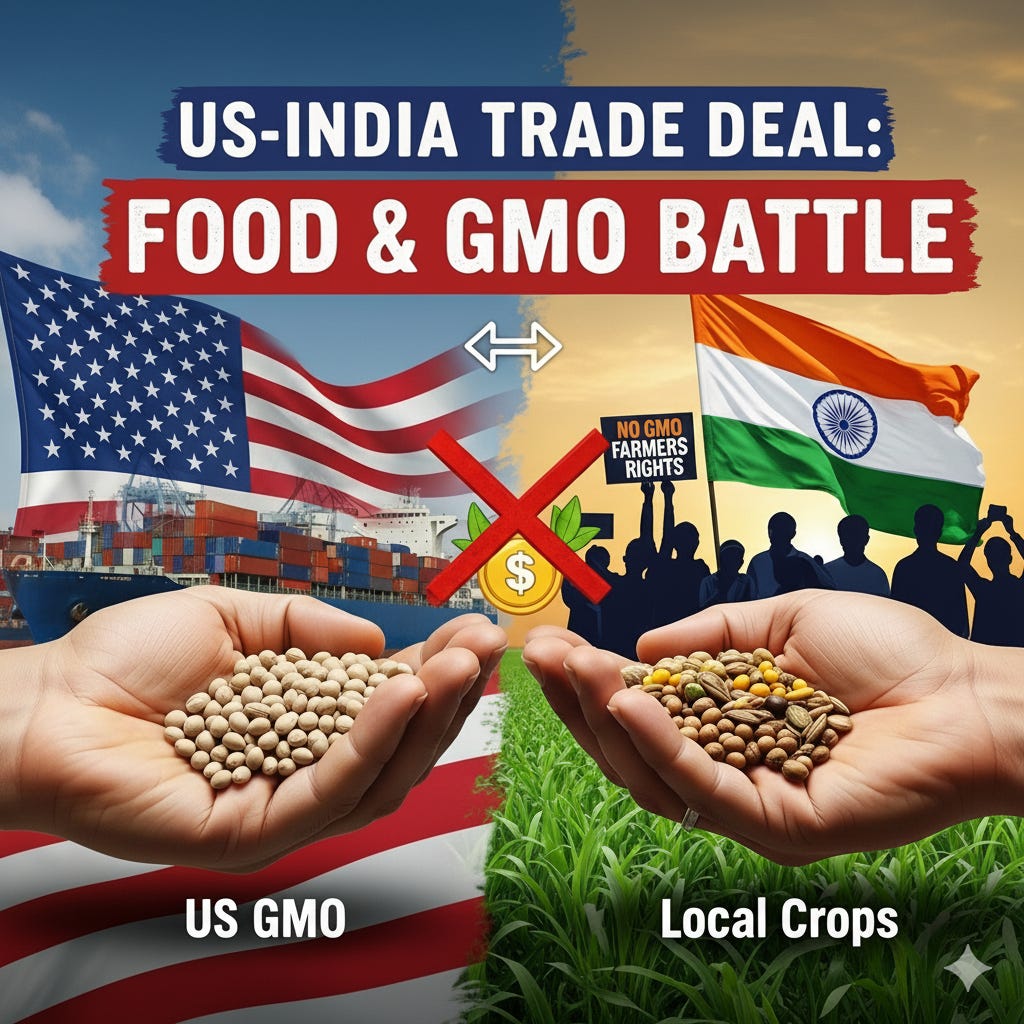
I've often pondered why agriculture plays such a pivotal role in U.S.-India trade discussions. Recently, I came across a compelling analysis that shed light on this complex issue. One striking reason the U.S.-India trade talks hit a roadblock was the U.S.'s insistence on India opening its agricultural markets. It turns out that India has imposed significant tariffs and non-tariff barriers on agricultural imports, particularly from the U.S.
Reflecting on India's past, after gaining independence, our nation faced severe agricultural challenges, including famines and dependency on global food aid. Achieving food security was a monumental effort, and it's not something we're willing to compromise for trade agreements.
Moreover, agriculture in India is a lifeline for many of our poorest citizens. To uplift them, we aim to double their incomes every few years. This ambition requires investments in infrastructure like cold chains and food processing industries, demanding some level of protection from global competition.
Another aspect of the equation is the influence of middlemen controlling farm sales, often acting against farmers' interests. Although Modi's administration introduced farm reform laws aimed at benefiting farmers, they had to be retracted for national interest.
In the U.S., initiatives like RFK Jr.'s 'Make America Healthy Again' are shaking up the food industry, potentially affecting billions in sales. As American companies seek new markets to offset potential losses, the focus naturally shifts toward populous countries like India.
However, we must remain vigilant. There's a history of issues with U.S. food imports, such as the PL-480 program, that we don't want to repeat. We desire a shift towards a healthy, organic food system in India, free from over-processed and chemically infused products.
In our pursuit of sustainable agriculture, it's crucial to stand firm on our values of natural and organic food. Let's continue to champion our heritage of ecologically sustainable farming for a healthier future.