
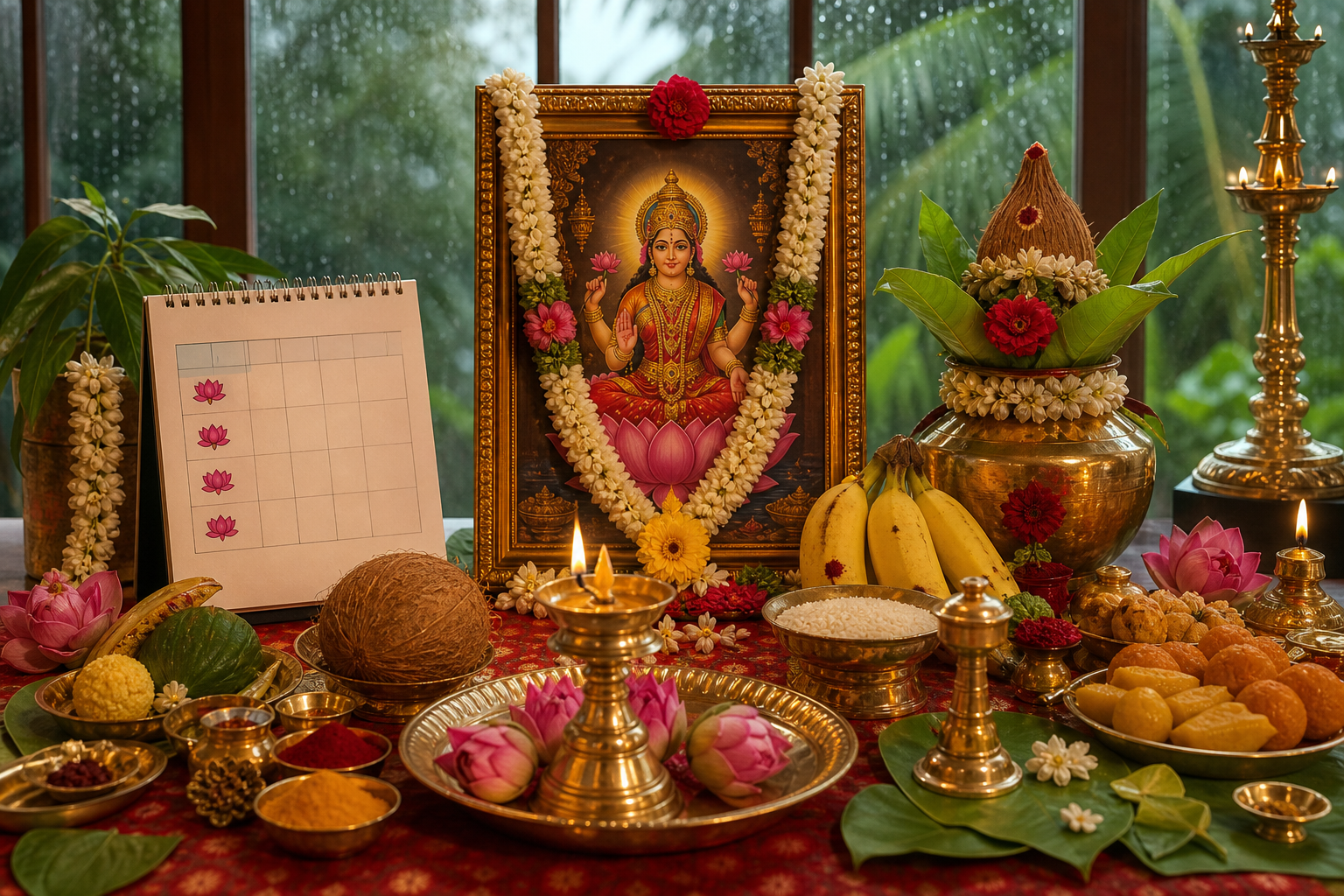
Karkidaka Masam 2026 begins on July 17, 2026, and ends on August 16, 2026. In the Malayalam calendar followed in Kerala, Karkidakam is the twelfth and final month of the year, and the 2026 observance belongs to the 1201st year of Kollavarsham. Its position at the close of the calendar year gives the month a distinctive cultural and spiritual character: it is a period of completion, remembrance, self-discipline, scriptural study, and preparation for the renewal that arrives with Chingam Month.
Karkidakam is also widely known as Ramayana Masam because many households, temples, and devotional communities in Kerala recite the Ramayana throughout the month. This practice is not treated merely as a formal reading exercise. It is understood as a disciplined way of aligning the mind with dharma, resilience, devotion, ethical clarity, and family continuity during a season traditionally associated with heavy monsoon rains and inward reflection.
The Malayalam calendar is a solar calendar rooted in the Kollam Era, and Karkidakam corresponds broadly to July and August in the Gregorian calendar. It follows Midhunam and precedes Chingam, the month associated with the Malayalam New Year according to the Kollam calendar tradition. Because Karkidakam comes immediately before this new beginning, its observances often carry the emotional tone of cleansing, settlement, gratitude, and spiritual preparation.
In traditional reckoning, Karkidaka Masam marks the Sun’s transit into Karkadaka rashi after Mithuna rashi. This solar transition places the month within a larger Indic framework of time, seasonal change, ritual order, and agricultural life. The calendar is therefore not only a method of counting days; it is also a cultural technology that connects climate, worship, family duties, ancestral remembrance, and ethical living.
The central spiritual association of Karkidakam is the recitation of the Ramayana. In Kerala, the text most closely associated with this observance is often the Adhyatma Ramayanam Kilippattu, traditionally linked with Thunchaththu Ezhuthachan and deeply loved in Malayalam devotional culture. The month-long reading brings the narrative of Sri Rama into the daily rhythm of homes, reminding communities that dharma is practiced through patience, restraint, courage, truthfulness, and responsibility.
Ramayana Masam is especially meaningful because the Ramayana does not function only as a story of the past. It becomes a mirror for ordinary human struggle: exile, family duty, loyalty, grief, temptation, leadership, humility, and restoration. In academic terms, the practice turns sacred literature into lived ethics. In social terms, it gives families a shared language for discussing conduct, endurance, and the moral consequences of choices.
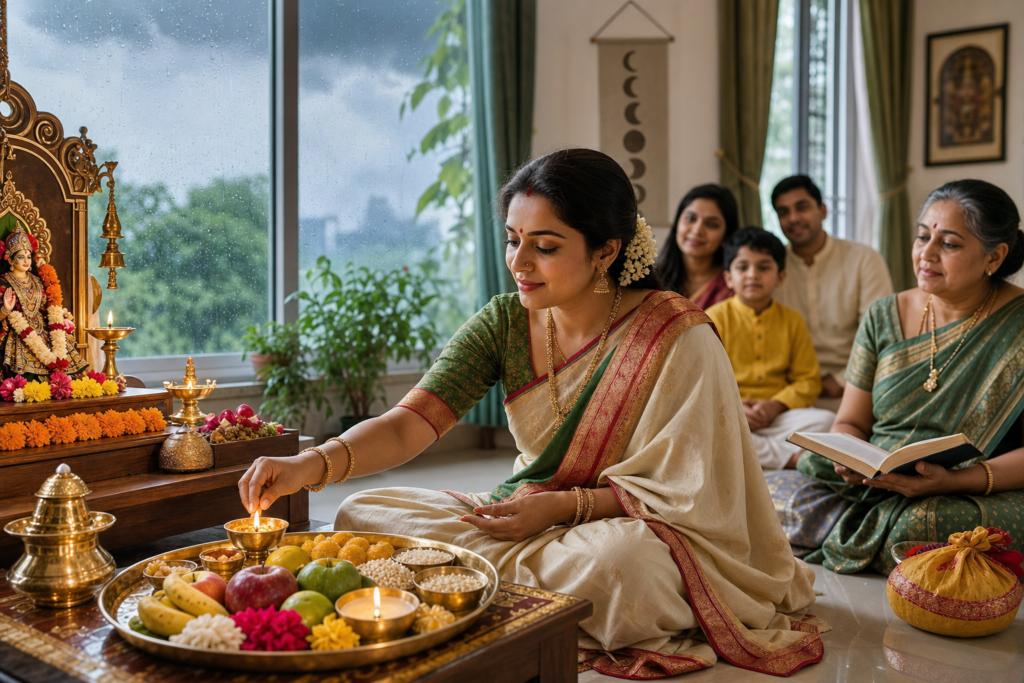
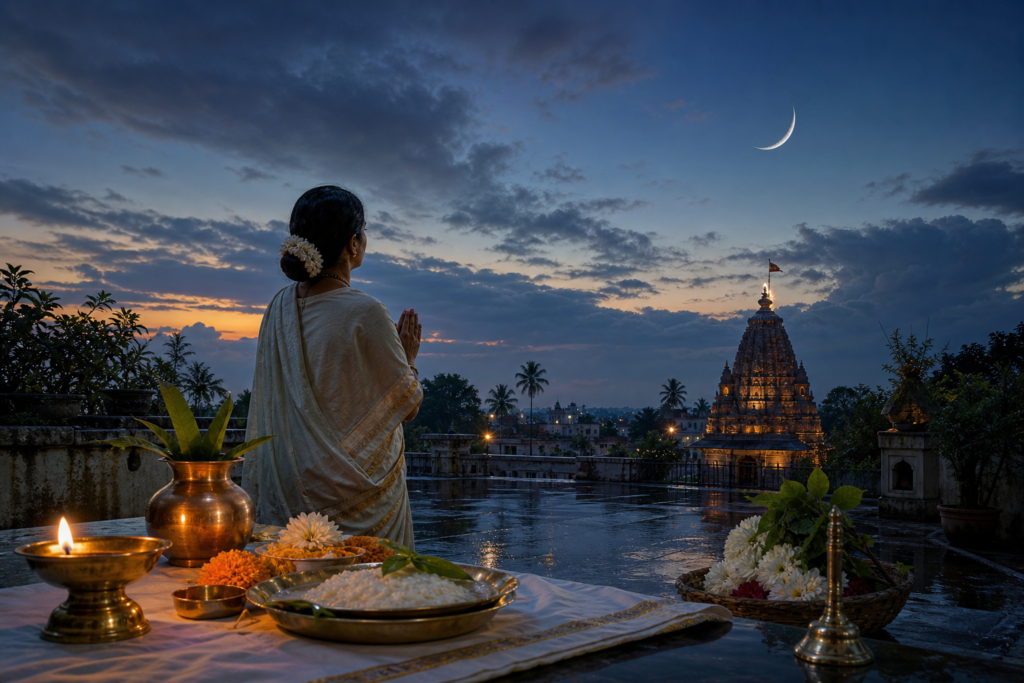
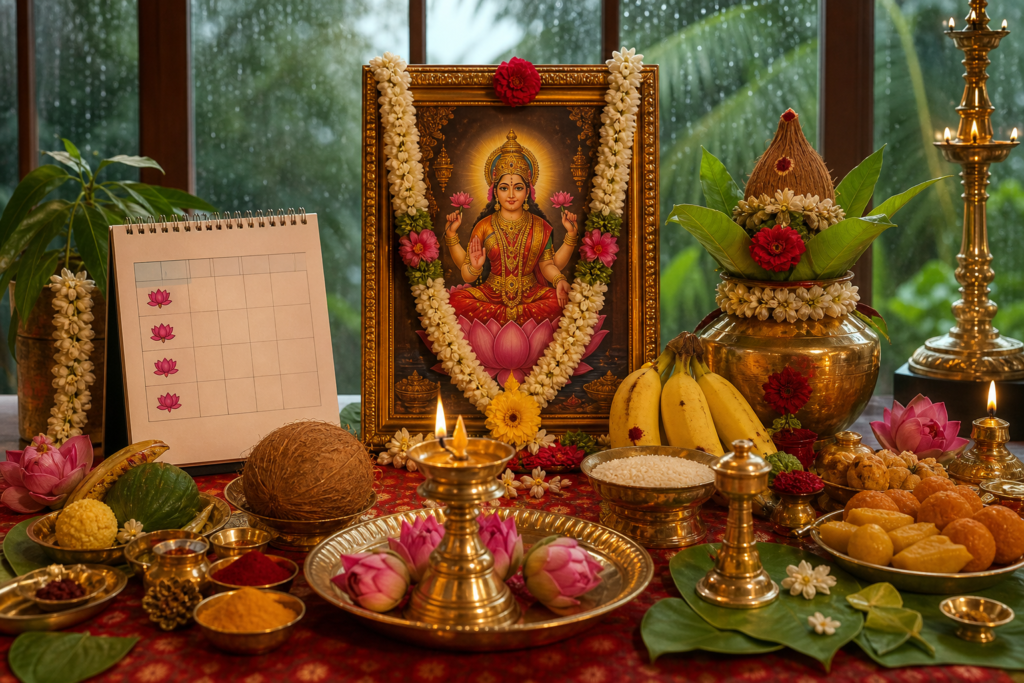
For many Malayali households, the sound of Ramayana recitation during Karkidakam carries a strong emotional memory. The monsoon atmosphere, the slower evenings, the lamp lit before the household shrine, and the collective listening create a devotional environment that is both intimate and communal. Such practices show how Hindu traditions often preserve knowledge through repetition, voice, rhythm, family participation, and seasonal discipline rather than through abstract instruction alone.
Karkidakam is also closely associated with ancestor remembrance. The month is dedicated in many families to Shraddha, Pitru Rina, and pitru tharpan, reflecting the dharmic understanding that human life is sustained by visible and invisible inheritances. Ancestors are remembered not as distant figures but as part of a living moral relationship, one that binds memory, gratitude, family continuity, and responsibility across generations.
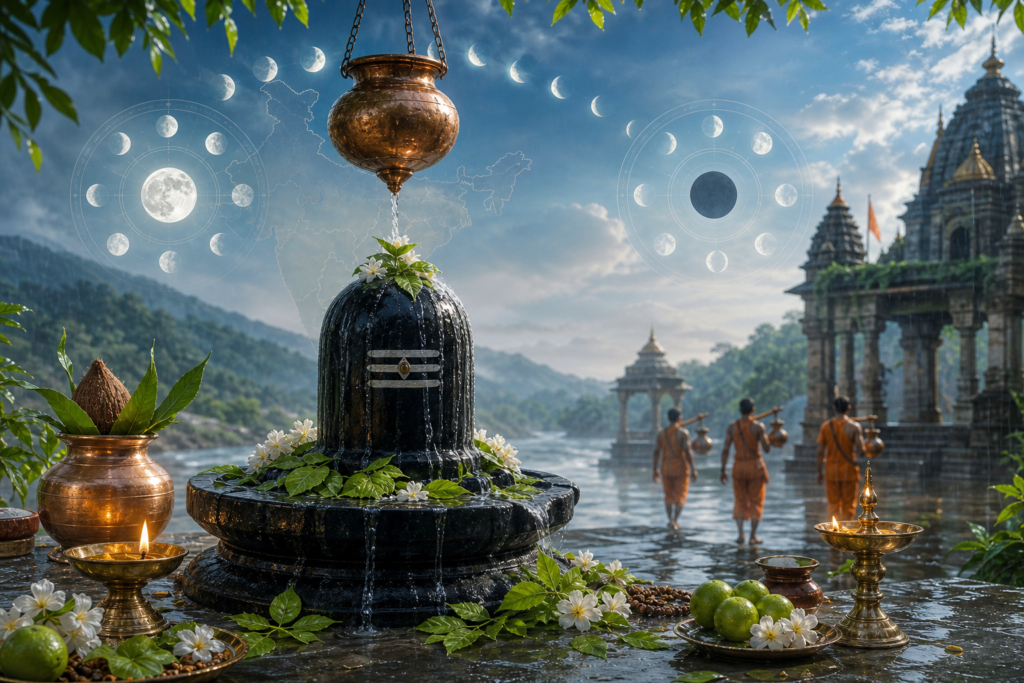
The most prominent ancestral observance of the month is Karkidaka Vavu Bali, also called Vavu Bali or Bali Tharpanam. It is performed on the Amavasya, or new moon day, of Karkidakam. In 2026, the relevant Amavasya falls during the Karkidakam period, and local panchangam traditions should be consulted for the exact ritual timing in each region. Families commonly perform the rite at riverbanks, seashores, temple ghats, or other sacred water bodies.
The ritual vocabulary of Bali Tharpanam requires careful interpretation. The word “Bali” in this context refers to an offering, not to violence or sacrifice. Typical ritual materials include cooked rice offerings, sesame seeds, water, darbha grass where prescribed, and other simple natural items used according to local custom and priestly guidance. The ritual emphasizes humility, gratitude, and the recognition that the living remain connected to those who came before them.
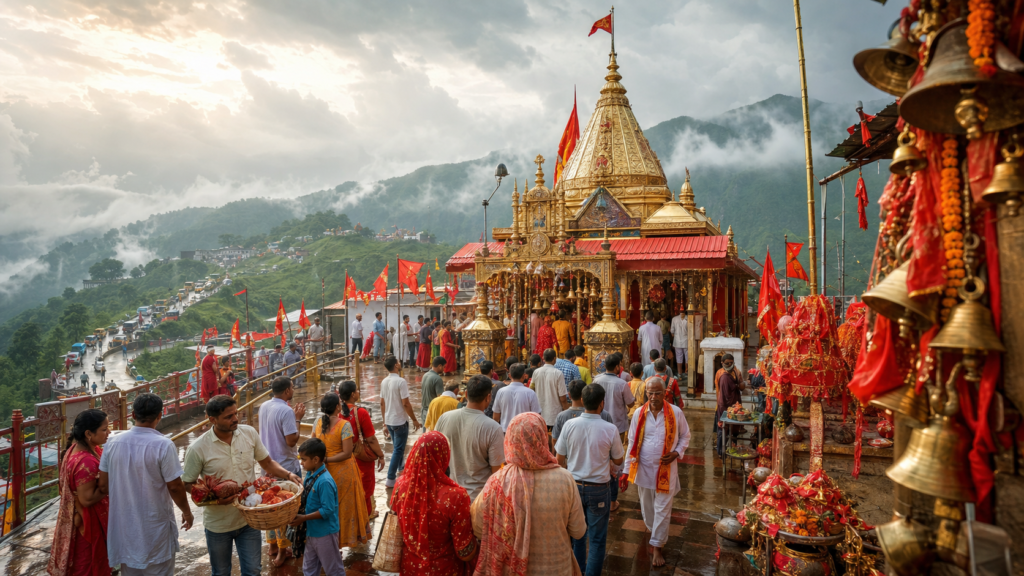
Karkidaka Vavu Bali is particularly important in Kerala because it brings together household piety and public sacred geography. Places such as Varkala, Thiruvallam, Aluva, Pamba riverbanks, temple tanks, and coastal ritual sites become centers of collective remembrance. The sight of people gathering before sunrise for pitru tharpan reveals a profound social truth: grief becomes bearable when it is held within shared ritual forms.
From a broader dharmic perspective, Karkidakam’s ancestral practices resonate with values also honored across Hinduism, Buddhism, Jainism, and Sikhism: gratitude toward lineage, respect for teachers and elders, disciplined remembrance, ethical self-correction, and compassion for all beings. The forms differ across traditions, but the underlying concern for continuity, responsibility, and liberation from selfishness creates a meaningful field of unity among dharmic traditions.
The monsoon setting of Karkidakam is essential to understanding its cultural depth. Historically, the month was considered challenging because heavy rains affected agriculture, travel, health, and household economy. Rather than treating difficulty as merely negative, Kerala tradition turned the season into a time of inner strengthening. Scriptural recitation, simple food, ancestor rites, and health-centered routines helped families move through uncertainty with order and dignity.
This is one reason Karkidakam has long been associated with Ayurveda and seasonal care. In Kerala culture, the rainy season is often considered suitable for restorative practices, regulated diet, oil therapies, and attention to digestion and immunity, though medical decisions should always be guided by qualified practitioners. The cultural principle is clear: the body, mind, and household should be prepared for renewal before the new year begins with Chingam.
The term “Karkidaka Kanji” is often heard in connection with the month. This refers to a medicinal porridge prepared in many homes using rice, herbs, spices, and regionally specific ingredients. While recipes vary, the purpose is consistent: to support the body during the wet season, encourage moderation, and reinforce the connection between food, climate, and well-being. It reflects the wider Hindu and Kerala tradition of treating food as part of disciplined living.
Karkidakam also invites a careful understanding of auspiciousness. Many families traditionally avoid major ceremonies such as weddings, housewarming functions, or large celebratory purchases during this month, preferring instead to focus on worship, study, restraint, and remembrance. This does not mean the month is inauspicious in a simplistic sense. Its auspiciousness is inward: it favors prayer, repair, gratitude, discipline, and preparation rather than public celebration.
The transition from Karkidakam to Chingam is therefore symbolically powerful. Karkidakam gathers the unresolved emotions of the year: grief for ancestors, anxieties of the monsoon, bodily vulnerability, and the moral need for introspection. Chingam then opens with renewal, prosperity, and the approach of Onam. The calendar teaches that celebration becomes deeper when it is preceded by remembrance and self-purification.
In 2026, the daily span of Karkidaka Masam can be understood simply: Day 1 falls on July 17, and the month concludes on August 16. Devotees who follow Ramayana Masam may begin the Ramayana reading on the first day and complete it by the final day. Families observing ancestral rites should consult a reliable regional panchangam or temple authority for the precise muhurta and local procedure for Karkidaka Vavu Bali.
The month also overlaps conceptually with related calendar periods in other Indian traditions. It corresponds broadly with Aadi in the Tamil calendar, Shravan-related observances in several regional calendars, and monsoon-season devotional practices across India. These correspondences show the diversity of Hindu calendar systems while also revealing a shared civilizational pattern: sacred time is interpreted through region, language, astronomy, climate, and inherited ritual practice.
For readers outside Kerala, Karkidaka Masam offers an important lesson in how regional Hindu practices work. The month is not a disconnected local custom; it is a Kerala expression of wider Hindu concerns: dharma, scriptural memory, reverence for ancestors, seasonal health, cosmic time, and social continuity. Its local language and rituals make it specific, while its philosophical concerns make it broadly dharmic.
The ethical significance of Ramayana recitation during this month deserves particular attention. Sri Rama’s life is interpreted in many ways across Hindu traditions, but during Ramayana Masam the emphasis often falls on steadiness under pressure. The text asks listeners to consider how duty should be upheld when circumstances are painful, how speech should remain truthful under strain, and how leadership must be joined with self-command.
Sita’s presence in the Ramayana also gives the month a deep emotional and philosophical dimension. Her endurance, dignity, and moral clarity are central to the devotional imagination. In family recitation settings, her life is not merely heard as an episode in an epic but contemplated as a profound meditation on strength, suffering, fidelity to truth, and the inner sovereignty of the human spirit.
Likewise, Hanuman’s devotion offers a model of service without ego. His role in the Ramayana reminds listeners that strength becomes sacred when it is guided by humility and loyalty to dharma. During Karkidakam, such themes help convert the reading of scripture into practical reflection: how to serve, how to remain steady, how to act with courage, and how to keep the mind anchored in the divine.
Karkidakam’s connection with ancestors also broadens the meaning of spirituality. It teaches that liberation is not pursued by rejecting family memory, but by placing memory within dharma. The departed are honored, the living are disciplined, and future generations receive a framework for gratitude. This intergenerational view is one of the most enduring features of Hindu rituals and remains deeply relevant in modern life.
Modern urban life can make such observances difficult, especially for families living outside Kerala or outside India. Yet Karkidaka Masam remains adaptable. A household may read a small portion of the Ramayana daily, listen to traditional recitation, light a lamp, offer simple prayers for ancestors, practice charity, follow a disciplined diet, or spend time in reflection. The essence of the month lies in sincerity, continuity, and mindful participation.
At the same time, ritual accuracy has its place. Those performing Shraddha or pitru tharpan should follow their family tradition, sampradaya, and local priestly guidance. Kerala customs may differ by region, community, temple practice, and lineage. This diversity should be approached respectfully because Hindu tradition has always preserved unity through many forms rather than through rigid uniformity.
The environmental dimension of Karkidaka Vavu Bali is also worth noting. Traditional offerings are simple and biodegradable, and the ritual is closely connected with water bodies, riverbanks, and coastal spaces. In contemporary times, this calls for ecological responsibility: sacred observance should protect the very rivers, beaches, and temple environments that make the ritual meaningful. Cleanliness, restraint, and respect for nature are not modern additions; they are consistent with dharmic thought.
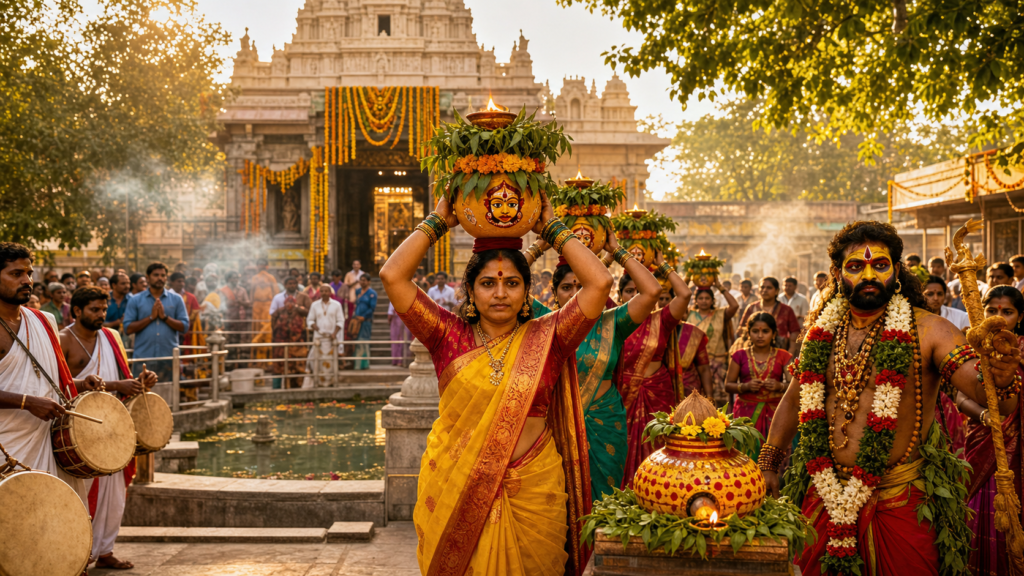
Karkidaka Masam 2026 therefore stands as more than a date range in the Malayalam calendar. It is a complete cultural season: Ramayana Masam for scriptural contemplation, a time for Karkidaka Vavu Bali and ancestor remembrance, a period of Ayurvedic awareness and bodily care, and the final inward movement before the renewal of Chingam. Its power lies in the way it joins cosmic time, family memory, ethical discipline, and spiritual hope.
When Karkidakam is understood in this fuller way, its relevance becomes unmistakable. It speaks to families trying to preserve tradition, to younger generations seeking meaning in inherited rituals, and to dharmic communities seeking unity without erasing regional diversity. The month teaches that renewal is not accidental. It is prepared through remembrance, study, humility, and the quiet courage to return to dharma before beginning again.
Inspired by this post on Hindu Pad.


Leave a Reply
You must be logged in to post a comment.