
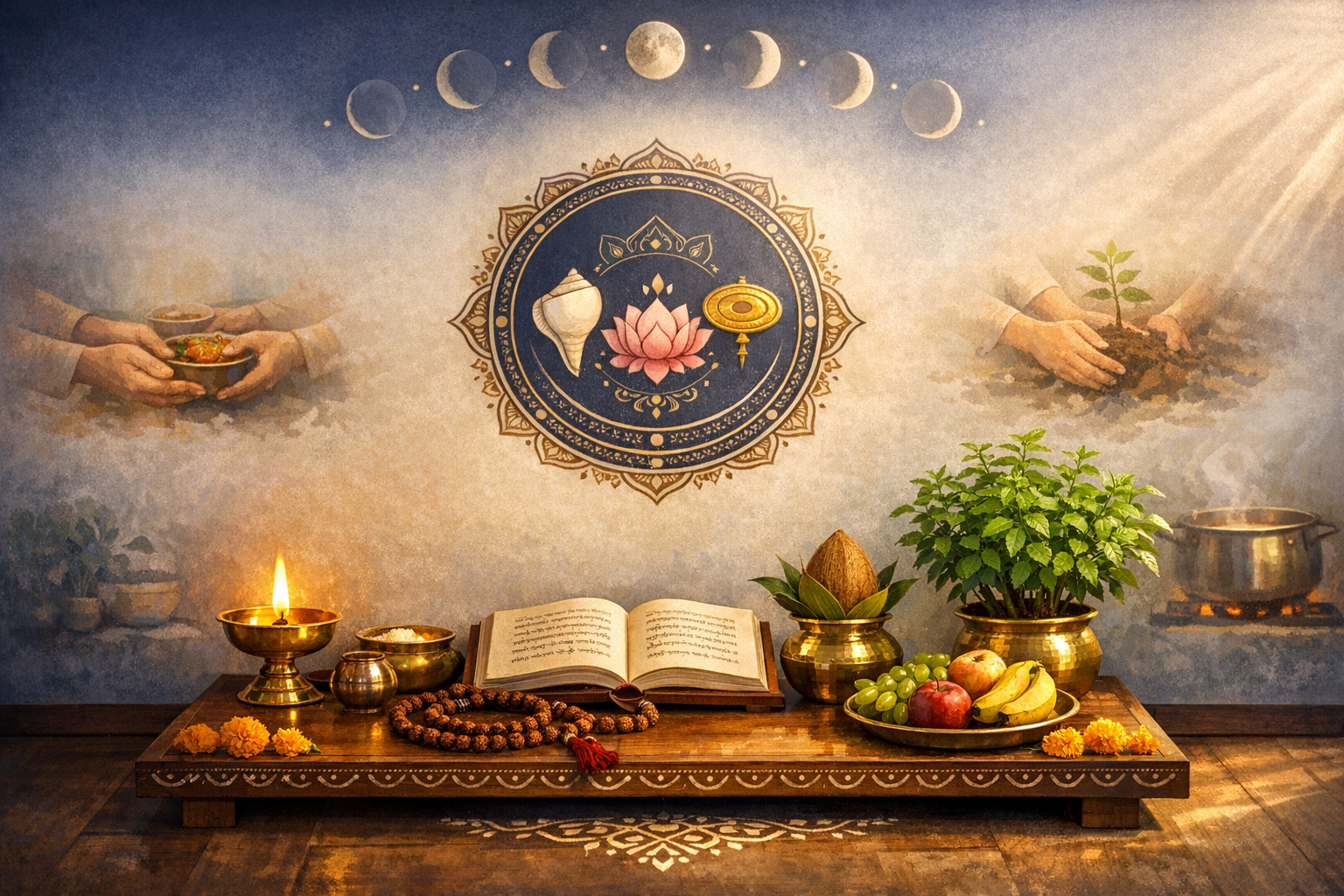
Preeti Vrata is a dharmic vow observed during Chaturmasya, the four-month sacred period from Devshayani Ekadashi (Ashadha Shukla Ekadashi) to Prabodhini Ekadashi (Kartika Shukla Ekadashi), when Lord Vishnu is traditionally understood to enter Yoga Nidra. Rooted in Puranic literature and preserved through diverse regional paddhatis, the vrata trains the mind and senses in discipline (niyama) and universal love (preeti), harmonizing personal conduct with bhakti, ahimsa, and seva.
Traditional sources, including the Matsya Purana and allied Smriti traditions, frame Chaturmasya as an auspicious window for intensified sadhana. Within that broader frame, Preeti Vrata emphasizes cultivating loving-kindness toward all beings while maintaining purity in diet, speech, and action. The vow is widely transmitted in Vaishnava milieus as a love-centered discipline complementary to Ekadashi fasting, Tulasi worship, and daily japa.
Calendar and timing follow the lunar Panchang. Observance begins with a formal sankalpa on Devshayani Ekadashi and concludes with parana on Prabodhini Ekadashi. In the Gregorian year this typically maps from July to November. The practice often tracks the seasonal cadence of Shravana, Bhadrapada, Ashwin, and Kartika, with special attention to Parivartini Ekadashi and Kartika’s heightened emphasis on vrata, dana, and deepened bhakti.
Theologically, Vishnu’s Yoga Nidra signifies a sacred pause that invites inner stillness and reflective living. Preeti, literally affectionate regard, channels devotion into inclusive compassion, resonating with the yogic ideal of maitri and karuna (Patanjali I.33). Practically, the vrata becomes a calibrated method to reduce rajas and tamas, cultivate sattva, stabilize attention in mantra, and anchor daily life in service.
Core disciplines commonly undertaken include a sattvic, vegetarian diet; moderation or fasting on Ekadashi; truthfulness and mindful speech; a daily quota of mantra-japa and scriptural study; and concrete acts of kindness and dana. Many householders adopt additional restraints—such as limited screen time, reduced consumption, or digital minimalism—to conserve mental energy for sadhana and family harmony throughout Chaturmasya.
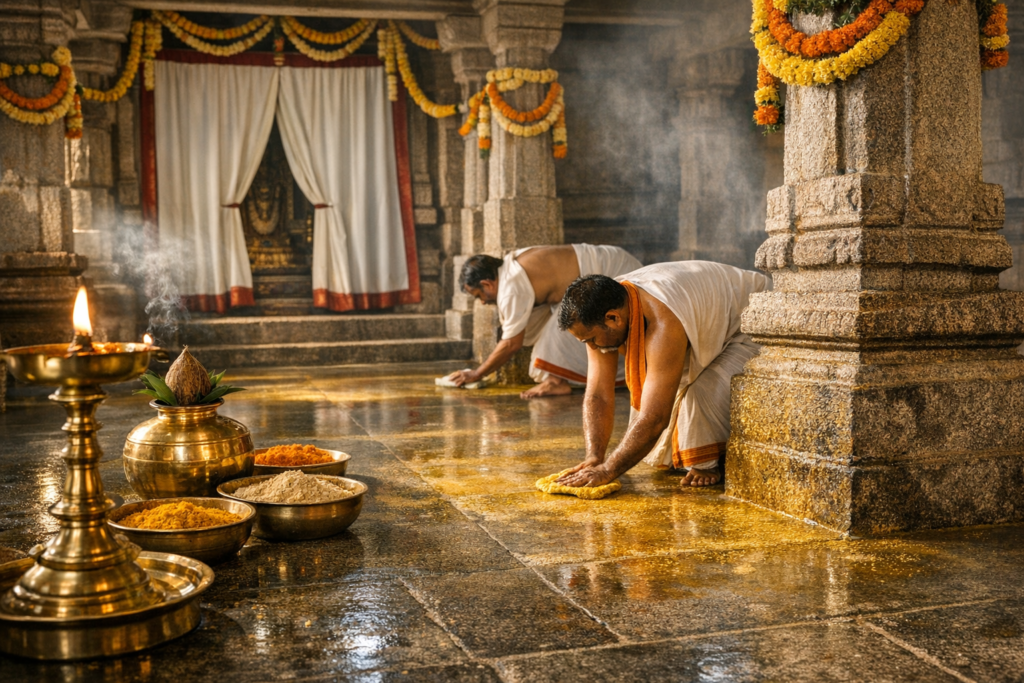
A simple and sustainable home puja strengthens the vow. After purification and lighting a ghee lamp, take sankalpa facing the deity, for example: “Om tat sat, Sri Vishnu-preeti-siddhyartham, Chaturmasya-madhye Preeti-vratam aham karishye.” Offer water, flowers, and Tulasi leaves to Vishnu; recite Vishnu Sahasranama or selected namavalis; chant “Om Namo Narayanaya” or “Om Namo Bhagavate Vasudevaya” for a fixed count; conclude with arati and a brief contemplation that wishes well-being for all beings.
Dietary and monthly guidelines, as preserved in many Vaishnava traditions, recommend added restraints by month: in Shravana, avoiding leafy greens; in Bhadrapada, refraining from curd; in Ashwin, curtailing or avoiding milk; and in Kartika, abstaining from urad dal. Across all four months, a sattvic regimen that avoids onion, garlic, alcohol, tobacco, and excess spice supports steadiness in mind and mantra. Where health requires adjustments, professional medical advice takes precedence over austerity.
Ekadashi observance is a structural keystone. Options range from nirjala fasting to fruit-and-water or simple anukalpa meals, with parana performed during the prescribed Dwadashi window per the local Panchang. Many integrate evening satsang, kirtan, or focused reading from the Bhagavad Gita or Srimad-Bhagavatam on Ekadashi, ensuring that upavasa is nourished by shravana and kirtana.
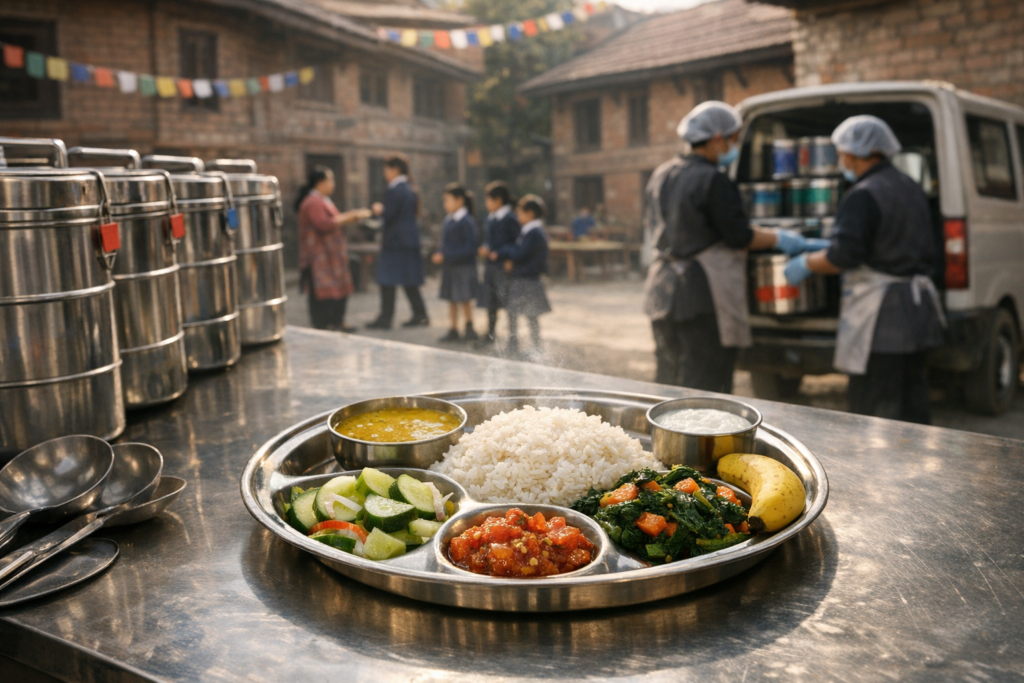
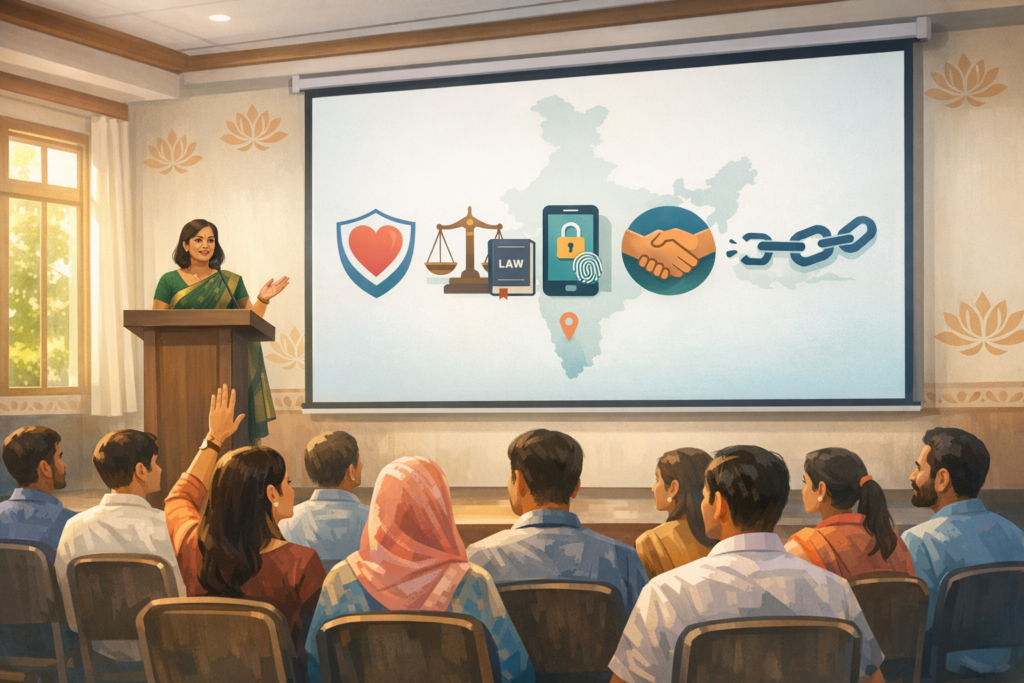
The social dimension of Preeti Vrata is service-oriented. Practitioners often schedule regular seva such as annadana, tree planting, gau-seva, or contributions to community kitchens. The vow’s ethic of universal love resonates across dharmic traditions: Jain Paryushana centers ahimsa and atonement, Buddhist metta-bhavana trains unconditional goodwill, and Sikh seva and langar embody shared nourishment and dignity. In this shared spirit, the vrata strengthens intercommunity trust and the civilizational value of Vasudhaiva Kutumbakam.
Families frequently adapt the vrata with child-friendly practices: a nightly reading from Ramayana or Bhagavata tales, a simple gratitude round, a coin jar for dana, and a weekly visit to a nearby temple. Such routines make Chaturmasya memorable and help children associate bhakti with joy, discipline, and kindness.
When travel or illness interrupts observance, dharma prioritizes health and safety. If a lapse occurs unintentionally, straightforward prayaschitta—such as additional japa, Tulasi puja, or feeding the poor—restores continuity. The vow’s essence lies in sincere intention, steady effort, and compassionate conduct, not in rigid austerity alone.
Preeti Vrata integrates well with contemporary schedules. Time-blocked mornings for japa, a short noon mantra pause, and an evening wind-down with light svadhyaya sustain momentum. Mindful speech in meetings, reducing non-essential consumption, and one deliberate act of kindness each day transform ordinary routines into layered sadhana without compromising professional excellence.
Reflective assessment deepens learning over the season. A short journal tracking japa counts, dietary steadiness, irritability levels, and weekly seva provides tangible markers of progress. Many householders report improved emotional regulation, lighter sleep, and clearer decision-making by Kartika Purnima—correlates of increased sattva wrought by sustained practice.
Common clarifications include accessibility: the vrata is open to all genders and life stages; it coexists well with other observances such as Somvar Vrat or Purnima Upavas; and modest modifications are acceptable for those with medical needs. Local paddhati and the guidance of a family guru or temple priest remain the gold standard for questions of muhurta, tithi specifics, and parana timing.
In sum, Preeti Vrata in Chaturmasya is a structured, heart-centered practice that unites inner devotion with outward compassion. Anchored in Puranic wisdom and enacted through daily niyamas, it offers a season-long laboratory for cultivating love, restraint, clarity, and service—qualities that uplift households, strengthen communities, and honor Lord Vishnu throughout His sacred repose and reawakening.
Inspired by this post on Hindu Pad.





Leave a Reply
You must be logged in to post a comment.