
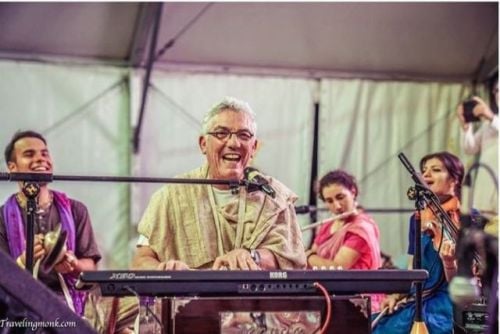
In this thoughtful interview, Havi das frames success through the lens of Hare Krishna (ISKCON) devotion, contending that authentic accomplishment is measured by service to the Divine rather than by industry accolades. The contrast he draws between fame and bhakti is not rhetorical; it is grounded in lived experience and a clear ethical vision of the Hindu way of life.
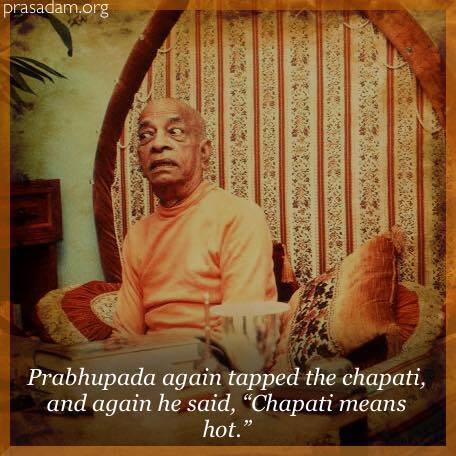
A defining moment occurred in Venezuela in 1975, when he washed Srila Prabhupada’s feet. Within Vaishnava practice, such intimate service to the guru expresses humility, gratitude, and the transmission of spiritual guidance. For Havi das, the enduring resonance of that encounter surpasses any professional milestone he might otherwise celebrate.
Explained in doctrinal terms, the act highlights the relational structure of the bhakti tradition—disciple, teacher, and Krishna—through which knowledge is received and character is formed. The episode also illustrates how memory in devotional life functions as a compass, renewing vows of service and shaping ethical choices in the present.
From this foundation, he cautions younger devotees and aspiring artists who are enamored of celebrity culture and the Grammys. The caution is not anti-art; it is a sober assessment of structural risks in the contemporary music industry and the cultural narratives that can separate creators from a stable spiritual center.
Typical record deals often concentrate control in labels through master-ownership clauses, aggressive recoupment of advances, and cross-collateralization across albums. So-called 360 agreements may further claim a percentage of touring, merchandising, sponsorship, and ancillary income streams. In the streaming era, per-stream payouts are commonly fractions of a cent, and royalty accounting can be complex, delayed, and opaque. These features, taken together, create asymmetries of power that can leave artists indebted while their most valuable asset—intellectual property—remains outside their control.
He further notes the incentive structures around awards shows. Beyond celebrating craft, major ceremonies function as marketing platforms in which corporate sponsors seek brand halo effects. When sponsors include fast-food, alcohol, or other mass-market brands, artists must weigh visibility against value alignment. The resulting compromises can normalize consumption patterns and social signals that many faith-rooted communities, including those guided by Hindu spirituality, view as ethically fraught.
At the cultural level, he maintains that the fervor for pop idols frequently emerges when people feel disconnected from a living relationship with Krishna. Social science offers a parallel explanation: parasocial attachments, algorithmic amplification, and status signaling can substitute for belonging and purpose. Bhakti proposes an alternative economy of attention, in which remembrance of the Divine, service, and community care restore meaning without the distortions of celebrity worship.
Crucially, this perspective does not dismiss art; it repositions art as sadhana—practice directed toward the Highest. Kirtan, sacred song, and disciplined musicianship can become vehicles for inner transformation and social healing. In this sense, Havi das advocates for music that reconnects audiences with Krishna rather than reinforcing patterns of distraction.
Anchoring the discussion within the wider dharmic family, the orientation he commends is resonant across Hinduism, Buddhism, Jainism, and Sikhism. Each tradition elevates ethical conduct, self-discipline, compassion, and service. Whether expressed as devotion, mindfulness, non-violence, or seva, the shared aim is to move from outward fixation to inward clarity and from individual ambition to the welfare of all.
For young creatives navigating today’s industry, his counsel implies practical disciplines: prioritize transparent contracts, retain ownership wherever possible, understand recoupment mechanics, and assess sponsors through a dharmic ethics lens. Independent distribution, cooperative platforms, and community-supported approaches can mitigate exploitation while preserving artistic integrity. None of these measures require withdrawal from culture; they call for participation with conscience.
Taken together, the interview presents a consistent thesis: spiritual identity provides the only reliable hedge against the volatility of fame. The 1975 memory in Venezuela is not nostalgia; it is a methodological reminder that guru-guided devotion clarifies purpose, orders desires, and safeguards freedom in creative life.
In that spirit, Havi das prefers to be a conduit for reconnection with Lord Krishna—an ever-present friend and guide—rather than a participant in systems that monetize disconnection. The aspiration is integrative and inclusive: to honor the arts, elevate ethics, and serve the unity of dharmic traditions in contemporary life.
Inspired by this post on Dandavats.








Leave a Reply
You must be logged in to post a comment.