

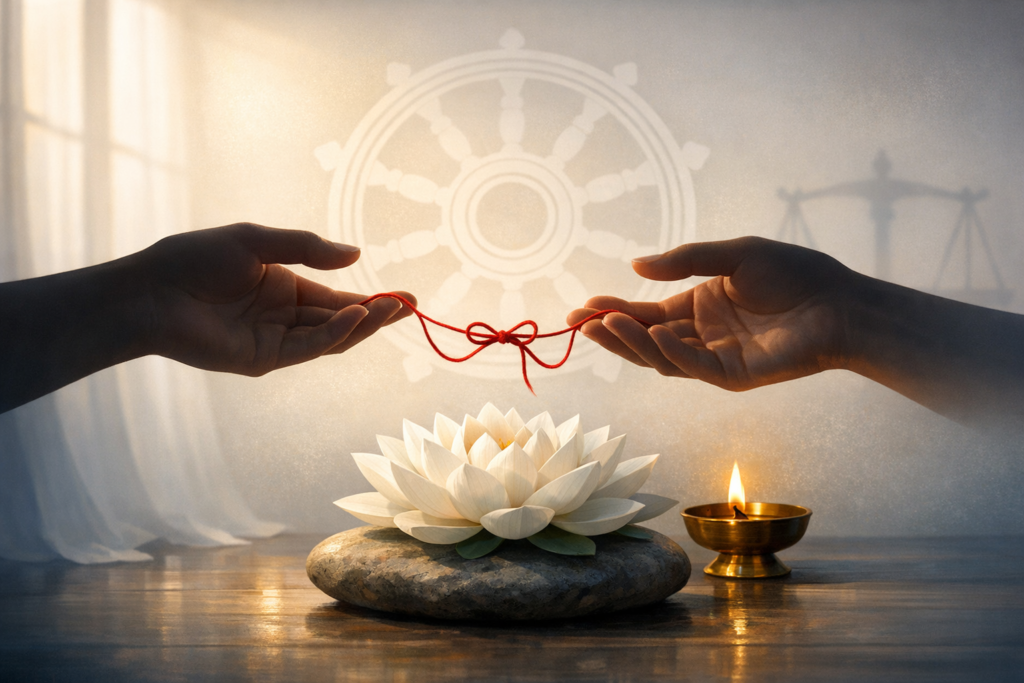
On 17 June 2026, HH S.B Keshav Swami Maharaj delivered a lecture titled “Spirituality: Pessimistic or Optimistic” at ISKCON Stockholm (Bromma) Temple. The question is elegantly simple yet philosophically dense: does serious spiritual practice dim one’s appraisal of the world or cultivate resilient hope rooted in truth? Situated within the Bhakti Tradition of Gaudiya Vaishnavism and open to dialogue with Buddhism, Jainism, and Sikhism, the theme invites a cross‑dharmic reading that advances unity in spiritual diversity while preserving doctrinal integrity.
In contemporary life marked by anxiety, ecological strain, and social fragmentation, this inquiry carries practical urgency. Popular culture often caricatures spirituality as either world‑negating pessimism or uncritical positivity. Dharmic literature, however, sustains a more rigorous middle path: a realism that acknowledges duḥkha (suffering) while building the inner and communal resources needed for compassionate action. Examining this middle path clarifies why mature spirituality neither collapses into despair nor denies pain, but instead transfigures suffering into wisdom‑guided hope.
Clarity begins with definitions. Pessimism, in philosophical terms, presumes that pain outweighs meaning and improvement is unlikely. Optimism presumes that improvement is available and meaningful action is efficacious. A helpful refinement is “tragic optimism,” the discipline of sustaining meaning, responsibility, and hope in the presence of unavoidable loss. Dharmic sources consistently converge on this refined, responsibility‑bearing optimism rather than on naïve cheerfulness or fatalistic gloom.
Across dharmic traditions, equanimity functions as the hinge between acknowledgment and agency. The Bhagavad Gita names this hinge samatva—samatvam yoga ucyate (2.48)—equanimity as yoga. In Buddhist teaching, upekkhā (equanimity) crowns the brahmavihāras, safeguarding compassion from burnout. In Jain thought, equanimity undergirds ahiṃsā and aparigraha, steadying restraint. In Sikh praxis, the spirit of Chardi Kala sustains high resolve in accord with Hukam, preventing resignation. Equanimity, therefore, is not indifference; it is calibrated composure that makes courageous, ethical action possible.
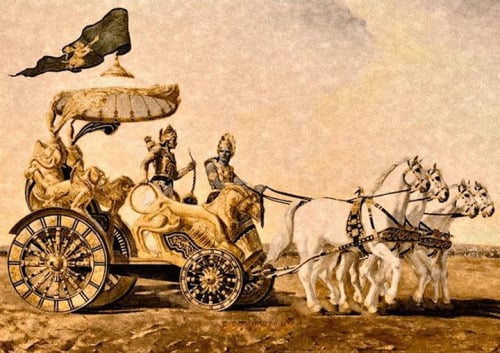
Within Hindu spirituality, especially the Bhakti Tradition central to ISKCON, realism and hope are held in creative tension. The Gita describes the cosmos as duḥkhālayam aśāśvatam (8.15)—a place of suffering and impermanence—yet it does so to orient the seeker toward enduring meaning rather than to induce cynicism. Elsewhere, the Gita counsels endurance of changing sensations (2.14) and defines yoga as skillful, even‑minded action (2.48), culminating in surrender that does not erase agency but purifies it (18.66). In practice, this translates into resilient hope: a devotional confidence (śraddhā) that purposeful effort aligned with dharma and grace can transform character and community.
Buddhist sources open with the First Noble Truth of dukkha, which can appear pessimistic if isolated from the path that follows. The subsequent truths—cause, cessation, and the Noble Eightfold Path—delimit a trainable route from reactivity to liberation. Far from despairing, the Bodhisattva ideal communicates maximal optimism about human transformability, dignifying every moment with the possibility of wisdom (prajñā) and compassion (karuṇā). The frank diagnosis of suffering thus serves hope by directing accurate practice.
Jain philosophy complements this with anekāntavāda (the doctrine of many‑sidedness), reminding seekers that partial viewpoints often masquerade as absolutes. This epistemic humility dissolves dogmatic pessimism and naïve optimism alike, inviting disciplined vows—ahiṃsā, satya, asteya, brahmacharya, aparigraha—that progressively reduce karmic accretions. Samvara (stoppage of new karmic influx) and nirjarā (shedding of accumulated karma) embody constructive, procedure‑based optimism: change is difficult, measurable, and attainable through methodical self‑regulation.
Sikh teachings intensify the theme of resilient hope. Rooted in Ik Onkar and nourished by Naam Simran, the tradition maintains Chardi Kala—an ever‑ascending spirit—within Hukam, cultivating steadfastness that refuses both bitterness and denial. Seva (selfless service) translates inner remembrance into social healing, converting private devotion into public good. The daily Ardaas’ aspiration for sarbat da bhala (welfare of all) signals optimism scaled to the level of an entire community.
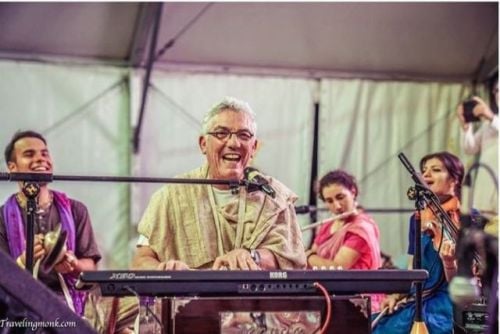
Specific to Gaudiya Vaishnavism, Rūpa Gosvāmi’s guidance—utsāhān niścayād dhairyāt, tattat‑karma‑pravartanāt, saṅga‑tyāgāt sato vṛtteḥ—maps the operational psychology of hope: enthusiasm, confident conviction, patience, steady practice, prudent association, and integrity. In ISKCON communities, kīrtans of the Hare Krishna mahā‑mantra amplify these dispositions by synchronizing breath, voice, and intention, often producing felt experiences of connection that soften isolation and invigorate ethical resolve. Emerging interdisciplinary research suggests that group chanting and contemplative song can reduce stress and enhance social bonding, which aligns with centuries of lived testimony across dharmic lineages.
A simple analytic framework helps locate “spiritual optimism.” Consider two axes: recognition of suffering (denial versus acknowledgment) and sense of agency (fatalism versus responsibility). Naïve positivity denies suffering; pessimism acknowledges suffering but collapses agency; cynicism denies both meaning and effective action. Mature spirituality occupies acknowledgment plus responsibility: it faces suffering without flinching and then acts skillfully and compassionately.
A frequent misunderstanding equates references to māyā with contempt for the world. Classical usage is subtler: māyā names misapprehension that projects permanence and ownership onto flux. The corrective is not rejection of nature but purification of perception and action. Hence the dharmic synthesis of inner transformation with ecological and social responsibility—captured in the maxim vasudhaiva kuṭumbakam, the world as one family—anchors a hopeful ethic rather than a pessimistic escape.
Unity in spiritual diversity follows naturally. The Ishta concept in Hindu thought recognizes that individuals resonate with different divine names, forms, and methods, while Sikh, Buddhist, and Jain traditions affirm varied doorways into the same moral universe of truthfulness, non‑harm, self‑discipline, and compassion. Such pluralism is neither relativism nor rivalry; it is an evidence‑based concession to human variety that prevents sectarian pessimism and nourishes shared optimism about collective uplift.
From theory to practice, several cross‑dharmic disciplines embody constructive hope. Bhakti‑yoga’s nāma‑japa and kīrtan train attention and devotion; Buddhist mindfulness and mettā rewire reactive patterns into care; Jain anuprekṣā meditations cultivate detachment and clarity; Sikh simran and seva braid remembrance with service. Across methods, progress is marked by greater equanimity, honesty, compassion, and courage—traits that allow communities to face crises without fragmentation.
Ethical rigor safeguards optimism from becoming self‑referential. Ahiṃsā prevents triumphalism; satya checks wishful thinking; aparigraha de‑centers consumption as a false proxy for hope; daya (compassion) and dana (generosity) convert private insight into public benefit. These anchors ensure that spiritual optimism matures into trustworthiness—reliable conduct observable by family, colleagues, and society.
Community matters. Satsang, saṅgha, and sangat provide corrective feedback, shared rhythms, and intergenerational transmission of resilience. Ritual calendars, study circles, and service projects organize hope into institutions, transforming transient mood into sustainable culture. In this way, spirituality becomes a public asset rather than an individual mood state.
For practitioners and scholars alike, assessment can be rigorous without being reductive. Practical markers include steadier affect during adversity, decreases in impulsivity, improved relational reliability, and a demonstrable increase in prosocial action. Communities may track volunteer hours, conflict‑resolution outcomes, or ecological footprints as external correlates of inner work. Such measures neither commodify spirituality nor trivialize it; they render optimism accountable.
Finally, the binary “pessimistic or optimistic” dissolves when spirituality is approached as disciplined alignment with reality. Dharmic traditions teach that clear seeing makes sorrow intelligible and therefore workable; disciplined practice renders hope credible; and communal service distributes that hope widely. Situated in this synthesis, the 17 June 2026 lecture at ISKCON Stockholm (Bromma) stands as an invitation to cultivate equanimity, enact compassion, and embody a unity in spiritual plurality that benefits all beings.
When evaluated through this cross‑dharmic lens, spirituality is best described as courageous, realistic optimism—one that honors suffering, refuses denial, resists fatalism, and moves steadily toward liberation with humility and joy. The question that began as a dilemma thus resolves into a pathway: acknowledge fully, act skillfully, surrender wisely, and serve generously.
Inspired by this post on Dandavats.





Leave a Reply
You must be logged in to post a comment.