

Arogya Vrata (also known as Arogya Saptami) is most widely associated with Magha Shukla Saptami, yet dedicating a vow to health during Bhadrapad Maas and Ashwin Maas carries profound scriptural resonance and clear Ayurvedic logic. Anchored in Surya-upasana traditions, Hindu fasting for health in these two months aligns with Chaturmas observances and the classical Ritucharya (seasonal regimen) of Ayurveda, offering a timely approach to immunity, digestion, and mental clarity at the monsoon-to-autumn transition.
Bhadrapad Maas (roughly August–September) concludes Varsha Ritu (the rainy season: Shravana–Bhadrapada), while Ashwin Maas (roughly September–October) inaugurates Sharad Ritu (post-monsoon: Ashwin–Kartik). These seasonal junctions, described across Charaka Samhita and Ashtanga Hridaya, are physiologically sensitive windows characterized by variable digestive fire (agni), heightened pathogen exposure, and predictable patterns of doshic fluctuation. Framing an Arogya Vrata precisely here is both culturally consistent and physiologically sound.
Ayurveda describes Varsha Ritu as a period when agni is weakened by dampness and dosha perturbations, with Vata aggravated and Pitta poised to accumulate. In Sharad Ritu, heat and clarity after the rains allow Pitta to fully aggravate. This textbook sequence explains why lightening therapies (langhana), prudent upavasa (fasting), and carefully chosen foods can restore balance. Hence, an Arogya-focused vow in Bhadrapad Maas and Ashwin Maas is a targeted intervention supported by the seasonal logic of Ritucharya.
Scripturally, Saptami tithis are dedicated to Surya across the lunar year, and Surya-upasana is repeatedly praised for arogya (robust health), ojas (vital resilience), and medha (clarity). While Arogya Saptami is canonically highlighted in Magha, many lineages emphasize health-centered vrata in other months when climate and community practice converge. The devotional corpus—from passages associated with Surya in puranic literature to the renowned Aditya Hridayam—frames health not merely as absence of disease but as a state of energetic harmony aligned with dharma and nature’s rhythms.
This seasonal health vow also sits within the broader dharmic canvas of Chaturmas. In Hindu households, dietary restraint and sattvic discipline are emphasized; in Jain traditions, Paryushana during Bhadrapada centers on deep introspection and fasting; in Buddhism, Uposatha observances cultivate mindful restraint; and Sikh teachings encourage disciplined living and seva that foster collective well-being. Across Hinduism, Buddhism, Jainism, and Sikhism, the shared ethos of moderation, compassion, and alignment with nature strengthens a unifying, health-forward culture.
For practical observance, many communities select Shukla Saptami in Bhadrapad Maas and Shukla Saptami in Ashwin Maas as focal points, while others span the vow through key windows such as the days surrounding Ganesh Chaturthi or the onset of Sharad and even into Navratri. Calendrical variation between Amanta and Purnimanta systems makes it prudent to consult a regional panchang to fix dates accurately. The intent remains constant: a sankalpa for arogya supported by Surya Arghya at sunrise, judicious fasting, sattvic diet, and mindful living.
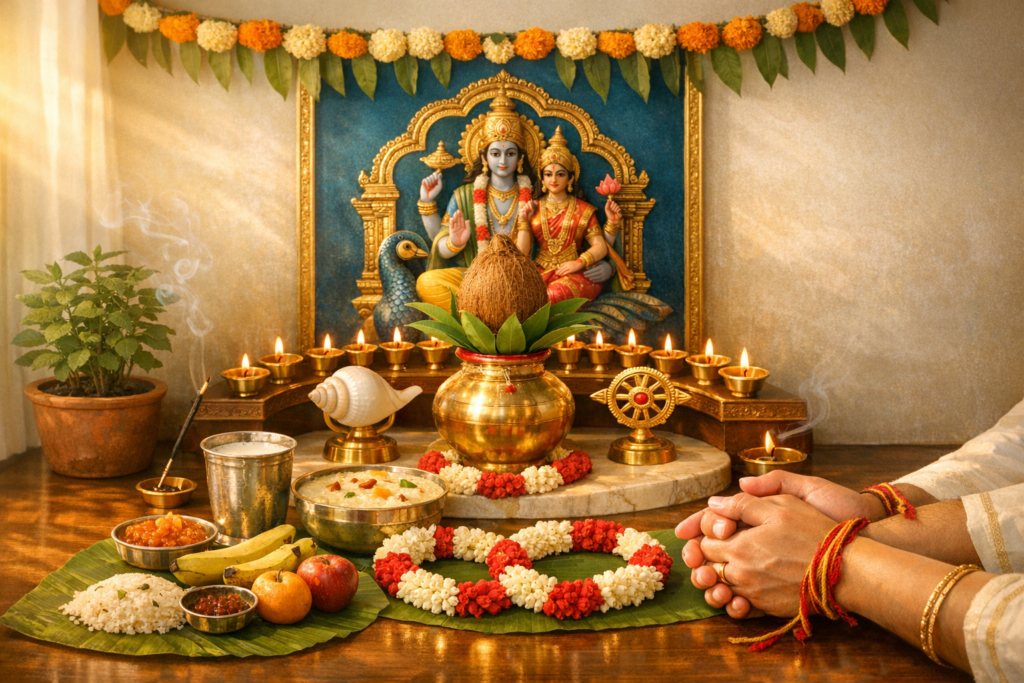
A succinct sankalpa used by many practitioners is: “Arogya-siddhyartham Surya-devasya anugraham praptyartham Bhadrapada–Ashvina-mase Shukla Saptamyaam upavasaṁ kariṣye.” The morning routine commonly includes a snana, offering Surya Arghya in a copper vessel with clean water and a red flower, and mantra-japa such as “Om Suryaya Namah,” “Om Adityaya Namah,” and “Om Bhaskaraya Namah.” Recitation of Aditya Hridayam is also traditional, invoking both spiritual steadiness and physiological circadian alignment through early sunlight exposure.
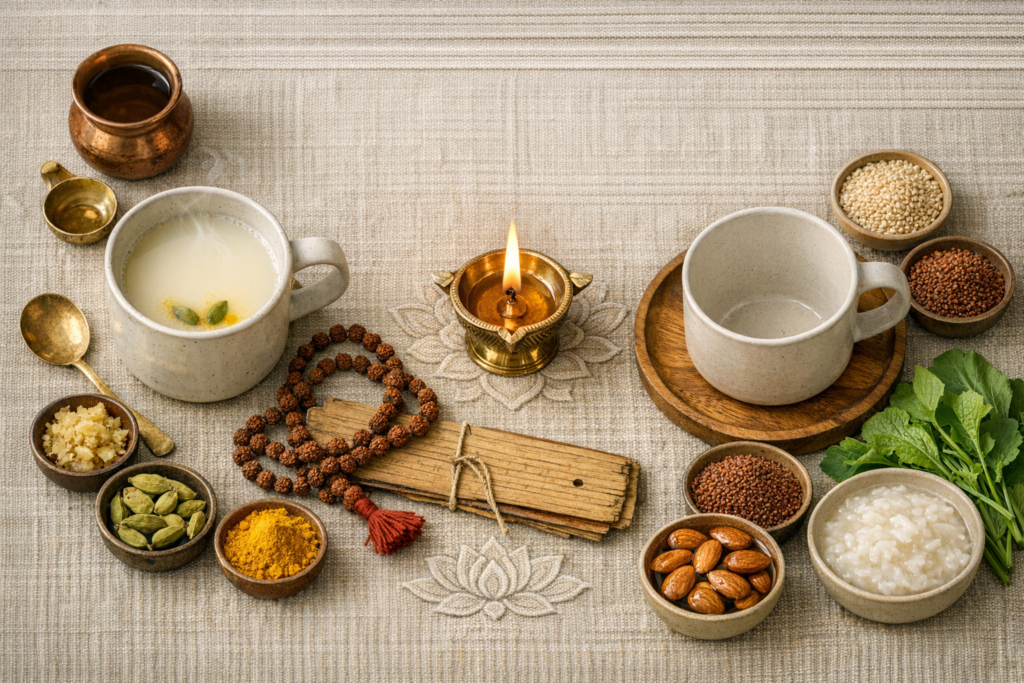
Dietary guidance in Bhadrapad Maas (late Varsha) prioritizes warmth, lightness, and digestibility to support a fickle agni. Classical counsel favors old rice, barley, or wheat; mudga yusha (mung soup); thin rice gruels (peya); and gentle spices like dry ginger, cumin, and black pepper. Boiled and slightly medicated water is preferred; curd is minimized (especially at night), while takra (buttermilk) tempered with roasted cumin and rock salt may be used to stabilize digestion. Raw salads, heavy fried foods, and leftovers are curtailed to avoid ama (metabolic residue).
In Ashwin Maas (Sharad Ritu), Pitta-pacifying choices take precedence. Sweet, bitter, and astringent tastes balance Pitta: ghee in moderation; tender gourds (lauki), pumpkin, and ridge gourd; well-cooked mung dal; rice; and cooling herbs such as coriander, fennel, and cumin. Excess chilies, sour pickles, deep-fried items, red meat, alcohol, and extended sun exposure are avoided. Gentle practices like shitali or sitkari pranayama may be used judiciously, emphasizing comfort and individual tolerance.
Classical seasonal therapies also inform this vow. Under qualified supervision, mridu virechana (mild purgation) in early Sharad helps relieve Pitta aggravation documented in Ayurvedic treatises, while abhyanga with pitta-friendly oils, adequate hydration, and sufficient sleep consolidate results. Traditional wisdom further recommends exposure to soft early-morning sunlight for circadian entrainment and enjoying the serene moonlight of Sharad Purnima as a cooling, contemplative practice.
Upavasa need not be absolute to be effective. Common patterns include phalahara (fruits and light liquids), laghu upavasa with vegetable broths and thin gruels, ekabhukta (one main meal), or a sunrise-to-sunset fast with ample warm water. Ayurveda frames such approaches under langhana—lightening the system to rekindle agni and promote clarity—while discouraging extremes that could destabilize Vata or exacerbate Pitta.
Hydration is foundational. Warm water infused with jeera (cumin), dhania (coriander), and fennel supports digestion; ginger-tulsi infusions aid lightness; coconut water may be used if Pitta predominates and digestion is stable. During extended fasts, a simple homemade electrolyte (clean water with a pinch of rock salt and jaggery or lemon) helps maintain balance. All choices are calibrated to season, constitution (prakriti), and current symptoms (vikriti).
Certain groups should fast with modifications or medical guidance, including individuals with diabetes on medication, those with peptic ulcers, pregnant or breastfeeding women, the elderly, and anyone on complex drug regimens. Even for healthy adults, a gradual entry and exit—from lighter meals before and after the vrata—is safer than abrupt shifts. The aim of Arogya Vrata is steady resilience, not heroic deprivation.
The physiological rationale harmonizes classical and contemporary perspectives. Seasonal langhana reduces digestive burden when agni is labile; early sunlight anchors circadian clocks; and prudent caloric restriction may trigger cellular housekeeping pathways that modern research associates with metabolic health. The convergence of Surya-upasana, mindful eating, and rest during Bhadrapad Maas and Ashwin Maas reflects an integrated model of prevention and recovery long articulated by Ayurveda.
Households that keep this health vow often report lighter digestion, clearer skin, reduced irritability, better sleep, and renewed steadiness of mind across the two months. Communities describe the vow as both personal and shared—individual discipline held within a supportive rhythm of family puja, simple meals, and neighborhood satsang—mirroring the dharmic understanding that personal well-being and collective harmony reinforce one another.
A practical flow many find helpful is straightforward. First, fix dates using a regional panchang, prioritizing Shukla Saptami in Bhadrapad Maas and Ashwin Maas. Second, prepare by tapering stimulants and heavy foods three days prior. Third, on the vrata day, offer Surya Arghya at sunrise, perform brief mantra-japa, and follow an appropriate fasting pattern with warm fluids. Fourth, break the fast with peya or mudga yusha and rest. Fifth, extend the spirit of the vow through the month with sattvic, seasonally aligned meals and simple acts of seva.
In summary, while the titular Arogya Saptami is classically exalted in Magha, an Arogya Vrata during Bhadrapad Maas and Ashwin Maas is exceptionally well-timed. It harmonizes Surya-upasana with Ayurvedic Ritucharya at a vulnerable seasonal junction, resonates with the Chaturmas ethos shared across dharmic traditions, and provides a disciplined yet compassionate framework for immunity, digestion, and mental poise. Practiced with wisdom, moderation, and inclusivity, it advances the shared goal of a healthy, harmonious society.
Inspired by this post on Hindu Pad.







Leave a Reply
You must be logged in to post a comment.