
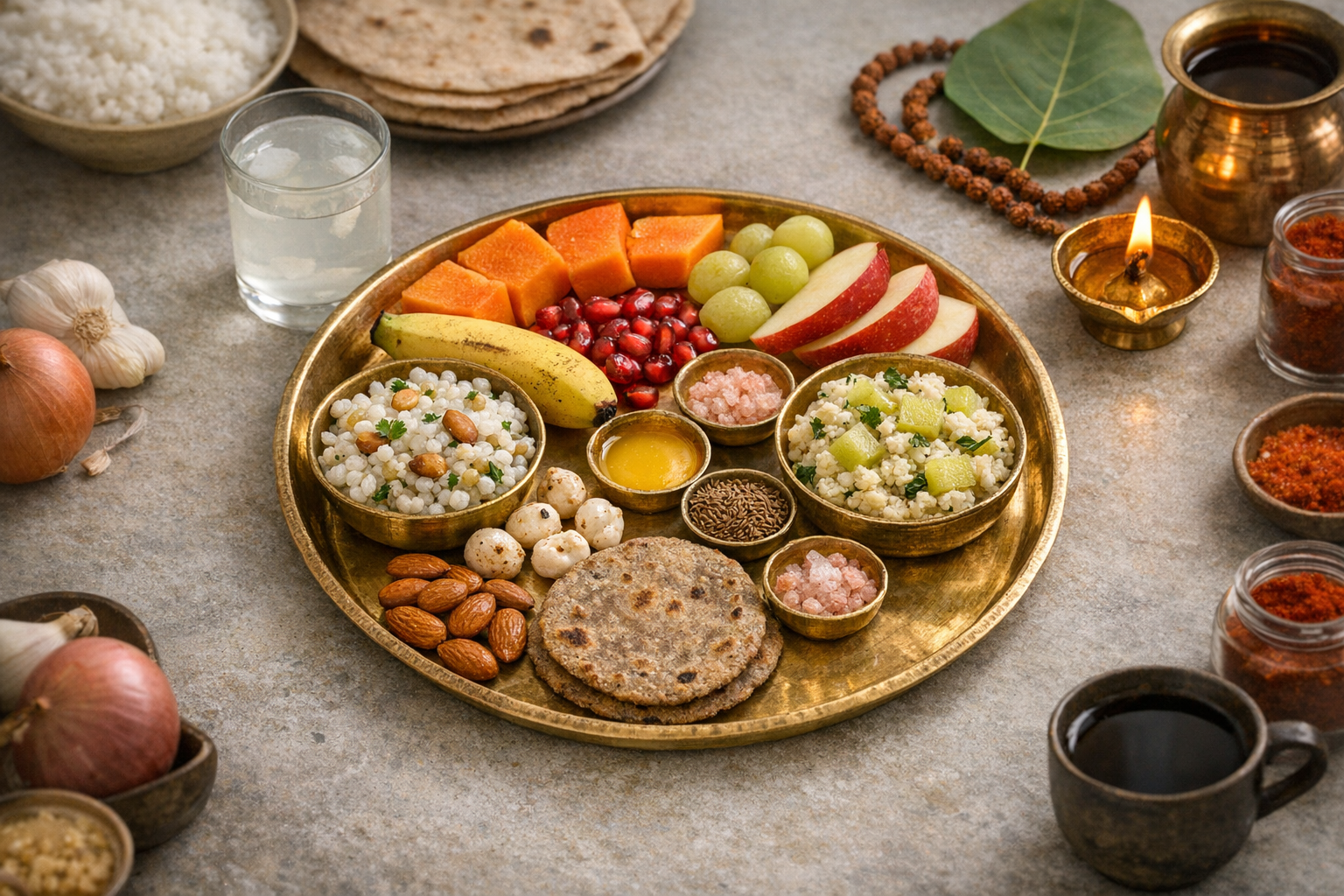
Somvati Amavasya, the no-moon day that falls on a Monday, is regarded across Hindu traditions as a powerful time for vrata, inner purification, and sukshma (subtle) worship. In many households, food discipline is central to the observance, with two common patterns emerging: a stringent Nirjala Vrat (complete abstinence from food and water) and a gentler Phalahari vrat (fruit- and vrat-approved fare). The core dietary principle remains sattva: choosing pure, light, and easily digestible preparations while avoiding grains, legumes, and heavy or tamasic foods. This academic overview organizes what to eat and what to avoid, explains why these guidelines exist, and offers practical, health-aware suggestions rooted in Ayurveda and long-standing grihastha tradition.
Within the vrat spectrum, Nirjala Vrat represents the most austere option, traditionally observed by experienced practitioners with robust health and strong sankalpa. A Phalahari vrat, by contrast, retains hydration and selective nutrition while still honoring the vrata’s renunciatory intent. Both approaches are anchored in ahimsa and tapas, calibrating intake to quieten the senses and facilitate attentive puja, japa, and inward focus on this Amavasya aligned with Somvar (Monday), a day associated with Lord Shiva’s cool, stabilizing grace.
A simple heuristic guides Somvati Amavasya foods: prefer laghu (light), snigdha in moderation (ghee for steadiness), and saatmya (customary, body-compatible) fare; avoid guru (heavy), rajasic stimulants, and tamasic ingredients that dull clarity. In Ayurveda, such meals preserve agni without overtaxing it, reducing post-prandial lethargy and supporting the contemplative mood of Amavasya. Families often emphasize fresh preparation, minimal ingredients, and naivedya-first cooking, reinforcing the vrata’s devotional orientation.
Phalahari vrat: commonly included fresh fruits (banana, apple, pomegranate, sapota, papaya, seasonal berries, melon), tender coconut, soaked nuts (almonds, peanuts as per household custom), makhana (fox nuts), and seeds used modestly (til/sesame is auspicious for Amavasya in many lineages). Dairy is generally permitted—milk, dahi, paneer in small portions, and ghee as the preferred fat—subject to one’s tolerance and family parampara. Many households complement fruit with vrat flours and pseudo-cereals to maintain energy without grains or dals.
Phalahari vrat flours and pseudo-cereals: kuttu ka atta (buckwheat), singhare ka atta (water chestnut flour), rajgira/ramdana (amaranth), and samak ke chawal/varai (barnyard millet). These non-cereal staples behave like grains culinarily yet remain vrat-compliant in most traditions. Lightly pan-toasted rotis from kuttu or singhara, or a simple samak “pulao” with mild spices, are common. Sabudana (sago/tapioca pearls) is another frequent choice; when used, it is best paired with peanuts and a modest amount of ghee to avoid rapid glucose spikes.
Phalahari vrat vegetables (as per regional and family norms): starchy tubers such as aloo (potato), shakarkand (sweet potato), and arbi (colocasia); gentle gourds like lauki (bottle gourd) and kaddu (pumpkin); cucumbers and tomatoes in many homes. Onions and garlic are universally avoided; brinjal/eggplant is often set aside. The overall culinary method remains minimal: short cooking times, light tempering, and no rich gravies.
Spices and condiments: sendha namak (rock salt) replaces iodized/sea salt; jeera (cumin), kali mirch (black pepper), hara mirch (green chilli), and elaichi (cardamom) are commonly used. Red chilli is typically avoided. Hing is often avoided as most commercial varieties are compounded with wheat flour; if using pure resin in a family that permits it, it should be added extremely sparingly. Many households either limit or omit haldi (turmeric) on vrat days, so this choice should follow parampara first and personal digestion second.
Liquids and hydration on Phalahari vrat: water, nimbu pani with sendha namak, fresh tender coconut water, thandai variations without grain additives, and lightly sweetened dudh with mishri are common. Buttermilk (chaas) may be used in some regions. Tea or coffee are often reduced or avoided to limit rajasic stimulation, though a weak milk tea persists in certain households. By contrast, Nirjala Vrat abstains entirely from liquids; such austerity is traditionally reserved for seasoned upasakas under temperate conditions and should not be attempted where it risks health.
Foods to avoid on Somvati Amavasya across most sampradayas: all regular grains and cereals (wheat, rice, corn, oats), all legumes/pulses (arhar, moong, chana, rajma, soy), non-vegetarian foods and eggs, onion and garlic, common/iodized salt, heavily processed snacks, bakery/leavened products, and alcohol or tobacco. Strong stimulants, ultra-spicy masalas, and deep-fried “feast” foods are discouraged even if technically vrat-compliant, as they counteract the vrata’s sattvic intention.
Gray-zone items to decide by family tradition: turmeric, coriander seeds, ginger, and certain oils. Many prefer only ghee; others allow groundnut or light cold-pressed oils in small quantities. A practical way to honor tradition and physiology together is to keep the spice list minimal, privilege ghee, and favor boiling, steaming, or light sautéing over frying.
Sample Phalahari vrat day (illustrative): on waking, a brief dhyana and cool water; mid-morning, fruit plate with banana, papaya, and pomegranate; lunch, a small bowl of samak “pulao” with jeera, sendha namak, and lauki cubes sautéed in ghee; late afternoon, tender coconut water or milk with a pinch of cardamom; evening, a modest sabudana preparation with roasted peanuts and a cucumber raita if dahi is permitted. Portions remain small to keep the mind light for Sandhya and Somvar puja.
Breaking a Nirjala Vrat safely: after evening puja or at the locally observed samapti, begin with two to three sips of room-temperature water, then a few bites of soft fruit (banana or steamed shakarkand). After 15–20 minutes, take a small bowl of diluted milk or a thin lauki soup with sendha namak. A more substantial Phalahari meal should wait until the digestive comfort is clear; rushing to eat heavy food risks indigestion and undermines the vrata’s calming effect on agni.
Ayurvedic rationale for vrat foods: sattvic, hydrating, potassium-rich fruits stabilize vata and pitta; gentle fats like ghee steady vata and prevent excess dryness; moderate, low-glycemic pseudo-cereals (samak, rajgira) deliver glucose without the heaviness of rice or wheat; avoiding dals and grains reduces ama risk on a day when digestive fire may be intentionally quieted by reduced intake. The net effect is clarity (sattva), steadiness (sthira), and a contemplative mood (prasada).
Energy and nutrition notes: sabudana is mainly starch and can spike glucose if eaten alone; pairing it with peanuts and ghee slows absorption. Rajgira and kuttu contribute quality protein and micronutrients (iron, magnesium), while samak offers B vitamins comparable to millets. Makhana supplies trace minerals and is especially suitable in the evening. Rock salt (sendha namak) supports electrolytes while remaining vrat-consistent.
Health and safety guidance: the elderly, pregnant or lactating women, adolescents, and those with chronic conditions (e.g., diabetes, renal disease, peptic ulcer, migraine prone to dehydration triggers) should avoid Nirjala Vrat and follow a Phalahari vrat with adequate hydration. Medications must never be discontinued for fasting; any medically necessary deviations take precedence over dietary strictness. Somvati Amavasya honors intentionality and compassion; a mindful, sattvic plate aligned to health is fully consistent with dharma.
Regional and parampara variations are expected and respected. For example, in some regions, lemon and chaas are welcomed; elsewhere sour tastes are reduced. Some permit certain root vegetables while others limit the menu to fruit and nuts. Observing one’s kula-parampara while retaining the shared anchors—no grains, no legumes, no onion/garlic, and a sattvic orientation—preserves continuity and inclusivity.
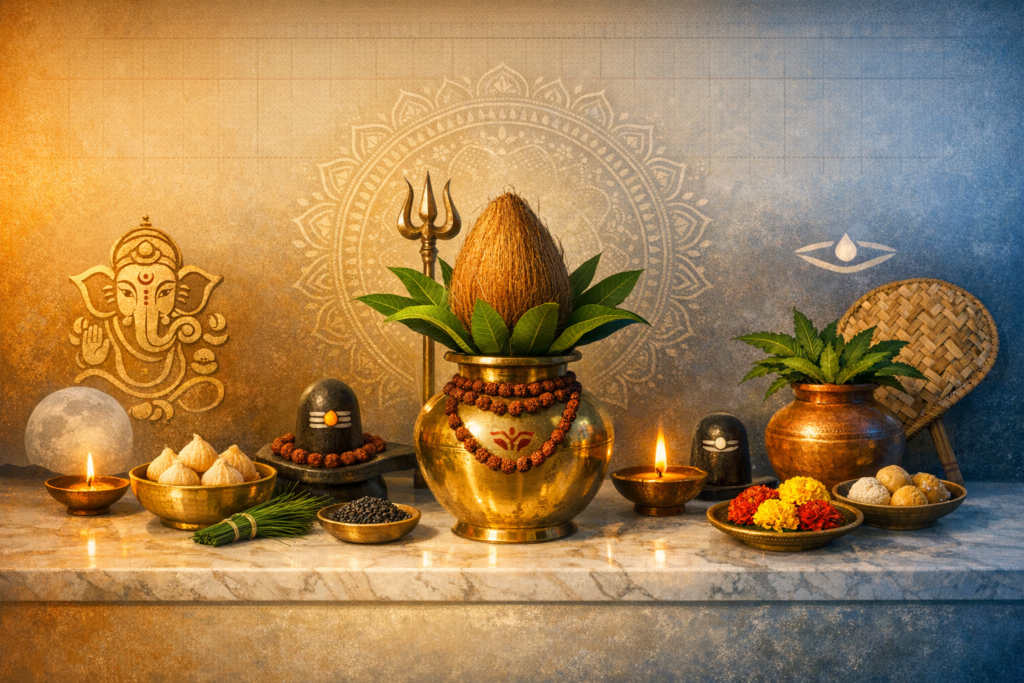
Ritual complementarity on Somvati Amavasya includes snana-dana (ritual bath and charity), Peepal (Pipal) puja and pradakshina, and pitru-oriented remembrance in many households, conducted with sobriety rather than show. The food vrata and these observances reinforce one another: a lighter, purer plate facilitates japa, dhyana, and sustained focus during evening worship associated with Somvar.
Dharmic unity perspective: while dietary specifics vary across Hindu sampradayas, the underlying ethic—non-harm, restraint, clarity—resonates with related disciplines in Buddhism (uposatha mindfulness and moderation), Jainism (ahimsa and aparigraha in upvaas), and Sikh practice that emphasizes inner discipline and seva. Recognizing this shared civilizational grammar of compassion and self-regulation strengthens mutual respect while allowing each tradition’s food rules to remain intact.
Cooking method guidance: freshly cooked, minimally handled foods are ideal. Prefer steaming, light sautéing, roasting, or boiling to deep-frying. Keep ingredient lists short and seasonings gentle; sendha namak, jeera, and a touch of black pepper suffice for most dishes. Ghee is generally the safest fat for vrat digestion and ritual purity across households.
Common pitfalls to avoid: assuming any “fast snack” is compliant without checking labels (hidden grains or table salt are frequent), over-relying on sugary drinks, and turning vrat meals into heavy festival spreads. Another frequent misstep is breaking a Nirjala or near-Nirjala fast with large, fried portions; the sharp shift overwhelms agni and may cause headaches or reflux. Gentle refeeding honors the vrata and one’s body equally.
Timing and samapti: many households break the fast after evening Sandhya and puja on Somvati Amavasya; others wait until the next morning after sunrise. Adhering to the local panchang, temple guidance, and family tradition ensures alignment with community practice. Whichever timing is followed, the dietary frame—sattvic, light, and grateful—remains the same.
In summary: for Phalahari vrat on Somvati Amavasya, choose fruits, nuts, makhana, tender coconut, dairy if tolerated, and vrat flours such as kuttu, singhara, rajgira, and samak; use sendha namak, jeera, and mild spices; avoid grains, legumes, onion, garlic, common salt, stimulants, and processed snacks. For Nirjala Vrat, attempt only with due health precautions, and break the fast with water sips and soft fruit before moving to a small Phalahari plate. Above all, let the plate serve the prayer: clarity in food supports clarity in worship.
Somvati Amavasya foods, when chosen with care, become a quiet, steadying companion to vrata, weaving together Ayurveda’s insight, ancestral parampara, and the shared dharmic aspiration toward sattva, ahimsa, and inner poise.
Inspired by this post on Hindu Pad.










Leave a Reply
You must be logged in to post a comment.