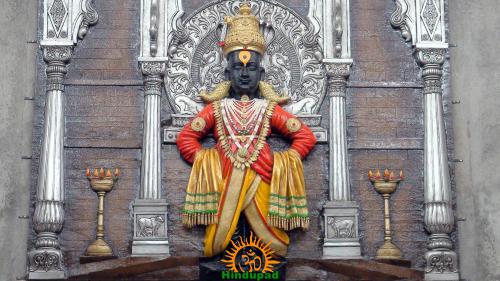
Bhim Ekadashialso known as Bhima Ekadasi, Bhimseni Ekadashi, Pandava Ekadashi, and most famously Nirjala Ekadashiis observed in 2026 on Thursday, June 25. Falling on the eleventh lunar day (Ekadashi) of Shukla Paksha in the Jyeshtha month, this vrata is revered as the most austere among the 24 Ekadashi observances in the Hindu calendar. Its renown stems from a tradition that connects the vow to Bhima of the Mahabharata, and from its strict discipline of a waterless fast, which devotees hold to be especially meritorious.
In calendrical terms, Ekadashi is the 11th tithi, each tithi representing a 12-degree elongation between the Moon and the Sun. Bhimseni Ekadashi therefore occurs after the new-moon fortnight has transitioned into the bright half of the lunar month (Jyeshtha Shukla Paksha). Regional calendars may name months differently (amanta versus purnimant systems), yet the observance aligns to Jyeshtha Shukla Ekadashi across traditions. While Thursday, June 25, 2026 is widely accepted for India, devotees in other time zones should consult a reliable local Panchang for any location-specific adjustment and to confirm Parana guidelines.
According to popular vrat katha traditions preserved in Puranic retellings, Bhima, known for prodigious appetite and physical prowess, found it difficult to maintain all 24 Ekadashi fasts. Seeking a spiritually sound alternative, he received the instruction to undertake a single, supremely rigorous observancethe waterless fast on Jyeshtha Shukla Ekadashi. This condensation of discipline into one day, undertaken with steadfast devotion to Vishnu, came to be venerated as Nirjala Ekadashi and is believed to grant the spiritual benefit of observing all Ekadashis across the year.
The spiritual essence of Nirjala Ekadashi lies in tapas (austerity), one-pointed remembrance of the Divine, and compassionate self-regulation. The discipline of abstaining from both food and water for a full day is meant to cultivate clarity, humility, and inner strength. While rooted in Vaishnava devotion, the ethical core of restraint, mindfulness, and compassion resonates broadly across dharmic traditions: Hinduism emphasizes upavasa as nearness to the Divine; Buddhism nurtures mindful discipline through observance days; Jainism venerates anuvrata and austerities with non-violence at the center; and Sikh tradition inspires seva, truthful living, and self-mastery beyond ritualism. In each case, sincere practice seeks to refine character and channel inner resolve toward the welfare of all beings.
Preparation typically begins on Dashami (the 10th lunar day), when many devotees adopt a sattvic diet and reduce stimulants, ensuring the body and mind are readied for a strict fast. On Ekadashi morning, after a purifying bath and sankalpa (declaration of intent), worship is offered to Vishnu with a focus on simplicity: a lamp, flowers, Tulsi leaves, and a sattvic naivedya for symbolic offering. Throughout the day, practitioners favor japa, quiet study of sacred texts (such as selections from the Bhagavad Gita or Vishnu-related stotras), and contemplative remembrance, maintaining a calm, compassionate demeanor.
What distinguishes Bhimseni Ekadashi is the nirjala vowthe intentional abstention from water as well as foodfrom sunrise on Ekadashi to the Parana on Dwadashi. Practitioners describe a profound sharpening of awareness and gratitude as the day progresses, often noting that the experience heightens empathy for those who face thirst or scarcity daily. Many communities align the vow with acts of service, such as arranging cool drinking water for travelers or supporting relief efforts in times of heat and drought, thereby translating the inner discipline of fasting into tangible compassion.
Paranathe ritual completion of the fastoccurs on Dwadashi, after sunrise and within the prescribed Parana window, while avoiding Hari Vasara (the first quarter of Dwadashi). A common practice is to first sip sanctified water, honor Tulsi, and then partake of simple sattvic food offered to Vishnu. Because the precise Parana period varies by location and Panchang, careful consultation of a trustworthy local calendar is recommended, especially outside India where the tithi sequence at sunrise may differ from Indian time zones.
Given the severity of a waterless fast, health considerations are essential. Traditional texts commend intention and devotion over rigid formalism; therefore, children, the elderly, pregnant or nursing individuals, and those with medical conditions such as kidney disease, diabetes, or cardiovascular concerns should not attempt nirjala fasting. A compassionate alternativephalahara (fruits), milk, or a light sattvic regimen with adequate hydrationupholds the vrata’s spirit without compromising well-being. Devotees often emphasize that sincerity, harmlessness, and steadiness of mind are the enduring measures of a vow’s value.
Temples and home shrines typically honor Vishnu and his avatars with additional archana, kirtan, and readings. Recitations of Vishnu Sahasranama, meditative chanting of divine names, and reflective study of devotional passages are common. Many households engage in charitable giving linked to water (jal daana), food (anna daana), and cooling relief efforts. The observance thereby becomes a bridge between personal discipline and social responsibility, reinforcing unity, empathy, and shared uplift across communities.
For 2026, Bhim Ekadashi falls on Thursday, June 25, aligning with Jyeshtha Shukla Ekadashi in the Hindu calendar. While this date is widely adopted in India, observants worldwide are encouraged to verify the tithi and Parana window with a dependable local Panchang to account for time-zone differences and sunrise-based calculations. Smarta and Vaishnava traditions usually converge on this date, yet in rare tithi configurations their observance may differ by a day, further underscoring the importance of local calendrical guidance.
Across devotional lineages, Nirjala Ekadashi remains a luminous example of disciplined love for the Divine, a reminder of the strength that gentleness can wield, and a call to unite inner transformation with outer service. By honoring the waterless fast with wisdom, safety, and compassionand by completing it with timely Paranadevotees hold that the merit of all Ekadashis is realized, and the heart is reoriented toward dharma, gratitude, and universal goodwill.
Inspired by this post on Hindu Pad.