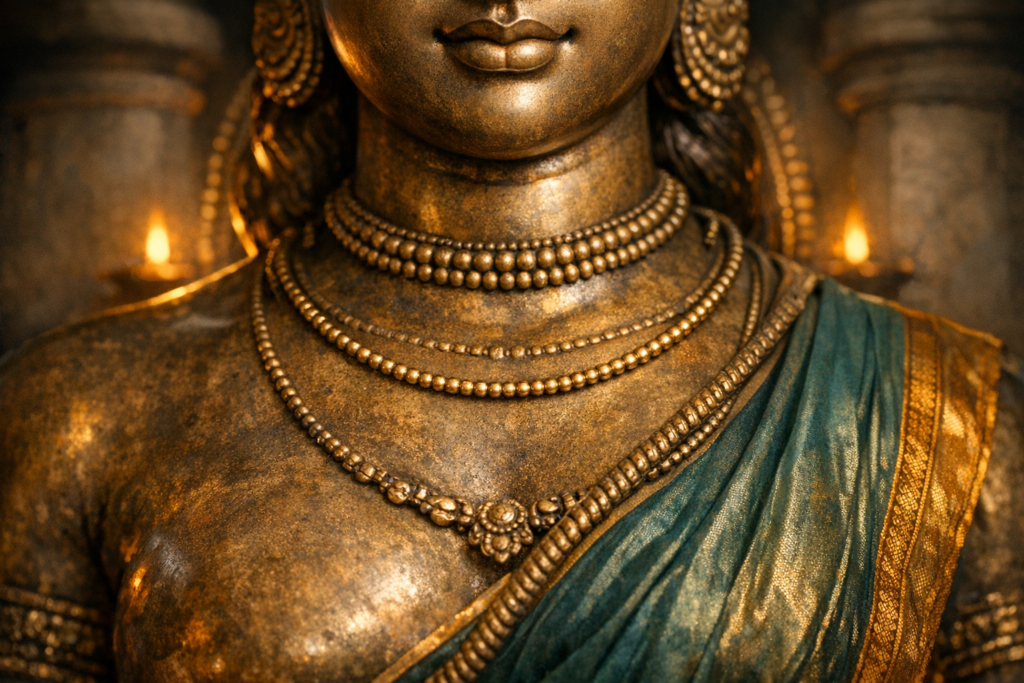
Manomayakosha—literally the “sheath made of mind”—is a pivotal layer of the sukshma sharira (subtle body) in the Panchakosha model articulated in the Taittiriya Upanishad. Framing the human person as nested sheaths around the Atman, this Vedantic map distinguishes the physical body (annamayakosha), vital energy (pranamayakosha), mind (manomayakosha), discernment (vijnanamaya-kosha), and bliss (anandamayakosha). Clarifying the role of Manomayakosha illuminates how sensations, emotions, and thoughts interlock to shape experience, conduct, and spiritual growth.
Positioned between pranamayakosha and vijnanamaya-kosha, Manomayakosha integrates sensory input with affect and constructs meanings that buddhi (discernment) subsequently evaluates. It is the arena where preferences stabilize into habits, where intentions (sankalpa) are formed, and where distraction and conflict proliferate if mental patterns remain unexamined. In this sense, the mind-sheath is both an instrument of liberation and a locus of bondage.
Classically, Manomayakosha centers on manas (the coordinating, sensory mind) and citta (the matrix of memory and latent impressions), functions through the ten indriyas (organs of perception and action), and expresses as vrittis (mental modifications) colored by samskaras (conditioning). Its operations are continually modulated by prana; agitation of breath is reflected as agitation of mind, while calm, even respiration inclines the mind toward steadiness and clarity.
The Taittiriya Upanishad presents the mind-sheath (manomaya atman) as sustained by vital force and symbolically “limbed” by mantra and Vedic meters, underscoring that mental order and meaning are cultivated through sacred sound and disciplined attention. This portrayal signals that Manomayakosha is not merely cognitive; it is liturgical-ritual, aesthetic, and ethical—shaped by what one repeatedly attends to, recites, and reveres.
It is useful to distinguish Manomayakosha from vijnanamaya-kosha. The former coordinates sense-data and affect, reacts, and imagines; the latter employs buddhi to discriminate, deliberate, and recognize truth. When Manomayakosha dominates without the guidance of buddhi, experience is driven by impulse, rumor, and reactivity. When vijnanamaya harmonizes and educates the mind-sheath, perception becomes accurate, emotions are integrated, and conduct aligns with dharma.
The three gunas—sattva (clarity), rajas (restless activity), and tamas (inertia)—color Manomayakosha. Sattva yields lucidity, empathy, and peace; rajas amplifies craving, worry, and competitiveness; tamas produces confusion, dullness, and avoidance. These qualities are influenced by breath and posture, diet and sleep, ethical choices and speech, and even by one’s “information diet”—the stories, images, and sounds that repeatedly inhabit attention.
Dharmic consonance is evident across Hinduism, Buddhism, Jainism, and Sikhism. Each tradition emphasizes refining the mind so that conduct becomes non-violent, truthful, and compassionate, and so that insight into deeper reality may dawn. Differences of language and method enrich rather than divide; together they form a shared civilizational grammar of mind-care and liberation.
In Buddhism, analysis of the five skandhas (form, feeling, perception, formations, consciousness) locates suffering in conditioned mental patterns and proposes sati (mindfulness), ethical restraint, and meditative absorption as remedies. This closely parallels the Vedantic aim of purifying Manomayakosha through attentive observation of vrittis and cultivation of wholesome mental factors such as maitrī (loving-kindness) and upekṣā (equanimity).
Jainism emphasizes meticulous mental-ethical hygiene through samayik (periods of equanimity), pratikraman (reflective atonement), and vows (vrata) that curb harm in thought, word, and deed. These practices attenuate passions (kashāyas) and gradually lighten karmic accretions, conceptually akin to thinning the dense habits and impressions lodged in Manomayakosha.
Sikh teachings speak directly to the training of the mind (mann) and the dissolution of egoic habit (haumai) through simran (remembrance of the Divine Name), honest work, and service (seva). Kirtan and contemplative remembrance relocate attention from compulsive mental narration toward luminous awareness—another way of stabilizing and sanctifying the mind-sheath.
Modern life renders Manomayakosha particularly salient. Continuous notifications, fragmented attention, and emotionally charged media saturate the sense-channels, biasing mental contents toward reactivity and fatigue. A conscious “mental ecology”—governing breath, attention, ethics, and information intake—becomes an indispensable application of ancient wisdom to contemporary conditions.
Findings in contemplative science reinforce classical insights: regulated breathing improves heart-rate variability and vagal tone, which correlate with downshifts in arousal and reactivity; attentional training reduces rumination and strengthens metacognitive awareness; compassion practices broaden affective range while reducing hostility. These outcomes mirror the Vedantic promise that a balanced prana and disciplined attention refine Manomayakosha and reveal deeper strata of Self-understanding.
A pragmatic sadhana for the mind-sheath typically begins with yama and niyama (ethical foundations). Truthfulness, non-harming, moderation, and contentment (santosha) prevent needless agitation. Svadhyaya (study and honest self-inquiry) and Ishvara-pranidhana (surrender to the Highest) orient the mind toward meaning, guidance, and humility—conditions in which sattva naturally increases.
Breathwork (pranayama) then stabilizes the mind-sheath. Many practitioners benefit from slow, even breathing (about 5–6 cycles per minute) or gentle ratios that lengthen exhalation (for example, 4–6 or 4–8), supporting parasympathetic balance. The principle is simple: prana guides mind; steady prana steadies mind.
Pratyahara (skillful withdrawal of the senses) trains Manomayakosha to relax grasping at stimuli. Practical methods include: allocating brief daily intervals of intentional quiet; simplifying visual and auditory fields when working; and adopting “digital pratyahara”—regular, device-free windows that restore attentional sovereignty. Over time, the mind learns that rest and clarity are available without constant novelty.
With this groundwork, dharana (one-pointed focus) and dhyana (sustained meditation) become feasible. Simple anchors—breath at the nostrils, a sacred sound (mantra japa), or the felt sense of the heart—counter habitual scattering and reorganize Manomayakosha around steadiness and warmth. Many report that even 10–20 minutes daily, consistently maintained, noticeably reduces reactivity and improves discernment.
Devotional practices deepen and soften the mind-sheath. Hymns, stotra, and kirtan supply noble emotions, archetypal imagery, and meaningful repetition that displace ruminative cycles. This devotional current resonates across Hindu, Buddhist, Jain, and Sikh lineages, each offering melodies, chants, and liturgies that cultivate love, gratitude, and service.
Lifestyle completes the practice loop. Sattvic nourishment, adequate sleep, regular movement, and truthful speech fortify clarity. Curating an “information diet” that privileges depth over outrage—and dialogue over polemic—prevents tamas and rajas from colonizing Manomayakosha. Small design choices (muted notifications, scheduled reading, intentional silence) yield outsized mental dividends.
Consider a relatable vignette: a commuter notices that crowded trains habitually trigger irritability. By pairing the commute with soft mantra japa and slow breathing, the same environment becomes a daily laboratory for equanimity. Within weeks, the background tone of the day shifts from tension to steadiness—an observable recalibration of Manomayakosha.
Signs of a balanced mind-sheath include: quicker recovery from setbacks; a natural pause before speech; accurate perception unwarped by mood; empathy that does not devolve into burnout; and a spontaneous inclination toward ethical action. These markers suggest that vijnanamaya-kosha is increasingly able to guide Manomayakosha, while both remain transparent to the peace of Atman.
Common pitfalls merit mention. Forcing concentration without ethical groundwork can intensify reactivity. Overconsuming esoteric material while neglecting sleep, diet, or honest self-reflection breeds tamas in refined clothing. Sustainable practice favors moderation, continuity, and humility—what the Yogasutra calls nairantarya abhyase, steady effort without gaps.
Advanced discussions sometimes relate Manomayakosha to the chakra system. While koshas and chakras map different dimensions, many find that emotional clarity (anahata) and will-power (manipura) mature alongside mind-sheath refinement. It is prudent to remember that such models are skillful means; the aim is not metaphysical cataloging but the lessening of suffering and the flowering of wisdom and compassion.
In sum, Manomayakosha is the living workshop of human experience—the site where breath meets feeling, where attention meets meaning, and where ethics meets insight. By refining this sheath through shared dharmic disciplines—ethical living, mindful breath, contemplative stillness, service, and devotion—diverse seekers converge upon common goods: clarity, kindness, and liberation. In this convergence lies both the ancient promise of the Upanishads and a practical path for modern life.
Inspired by this post on Hindu Blog.