Ugadi 2026 marks the Kannada New Year and is celebrated with enthusiasm in Karnataka and across the global Kannada diaspora. To support meaningful, accurate, and aesthetically strong wishing practices, this guide presents a comprehensive, technically grounded approach to creating printable Ugadi Kannada greeting cards and digital e-greetings that honor tradition while embracing modern formats.
Rooted in the Hindu lunisolar calendar, Ugadi is observed on Chaitra Shukla Pratipada, a transition that symbolizes renewal, ethical resolve, and communal harmony. Within the broader tapestry of dharmic traditions, Ugadi resonates with parallel spring renewals that celebrate cyclical time, seasonal change, and compassionate livingvalues cherished in Hinduism, Buddhism, Jainism, and Sikhism. In this shared spirit, Ugadi greetings can become vehicles for unity, gratitude, and cultural continuity.
From a calendrical perspective, Ugadi is anchored in the Panchang and occurs when the Chaitra Shukla Pratipada tithi prevails at local sunrise. For 2026, the precise observance date may differ globally due to time zones; Karnataka follows Indian Standard Time, while diaspora communities should consult their local Panchang for sunrise-based tithi observance. The Saka era transitions around Ugadi (approximately to 1948 Saka in 2026), and the Samvatsara name is assigned per regional almanacs; including these details on greetings adds authenticity and cultural depth.
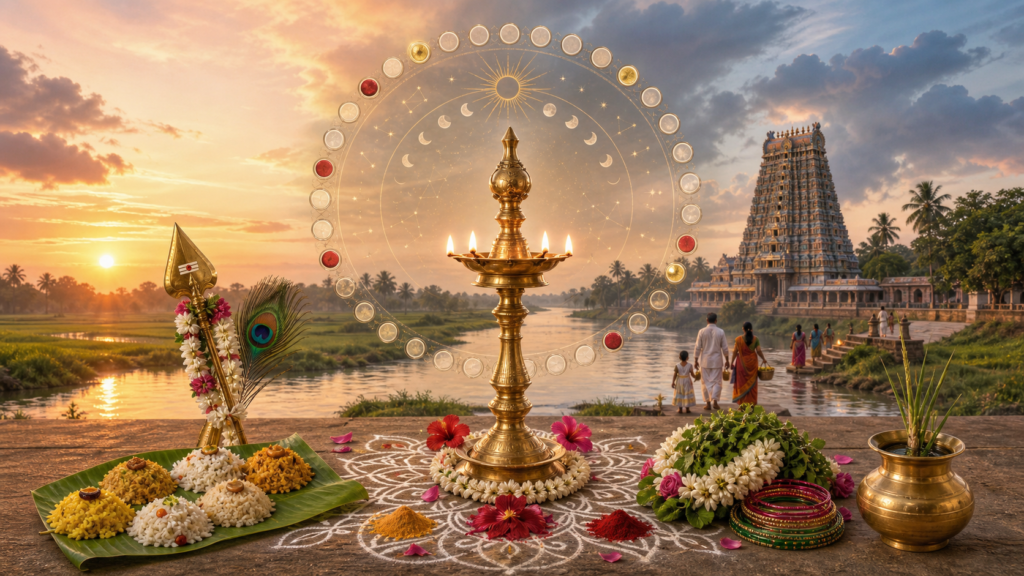
Time-honored practices such as Panchanga Shravanamlistening to the annual almanacoffer a framework for hope and resolve. The five limbs of the Panchang (tithi, vara, nakshatra, yoga, and karana) are often cited during Ugadi to forecast auspicious tendencies. Designers can incorporate these as optional informational panels on greeting cards, providing recipients with culturally resonant context without compromising visual clarity.
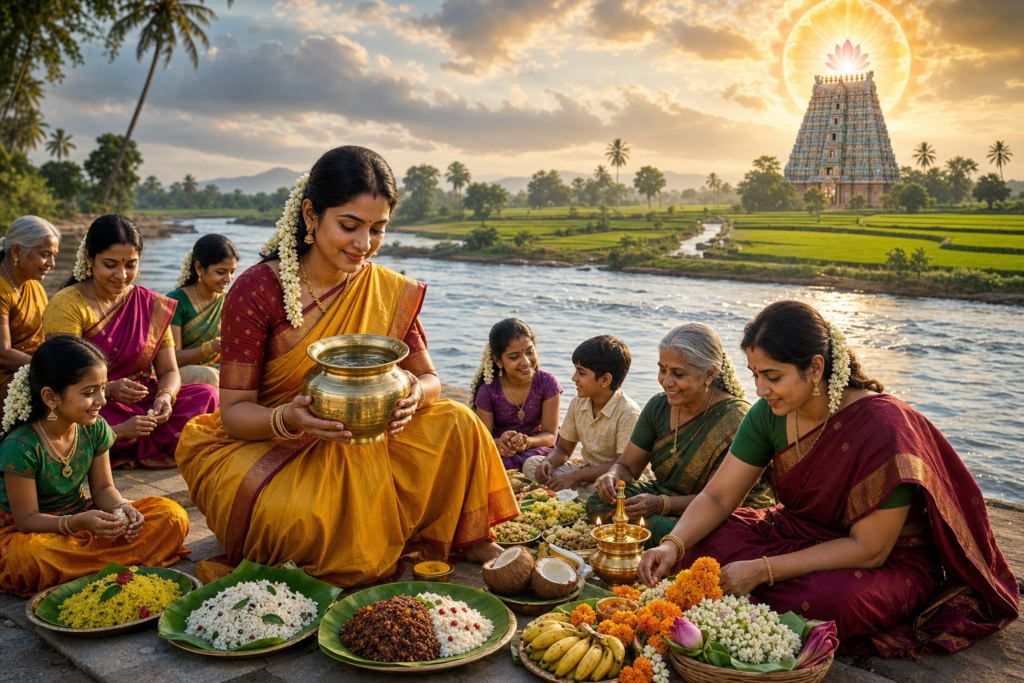
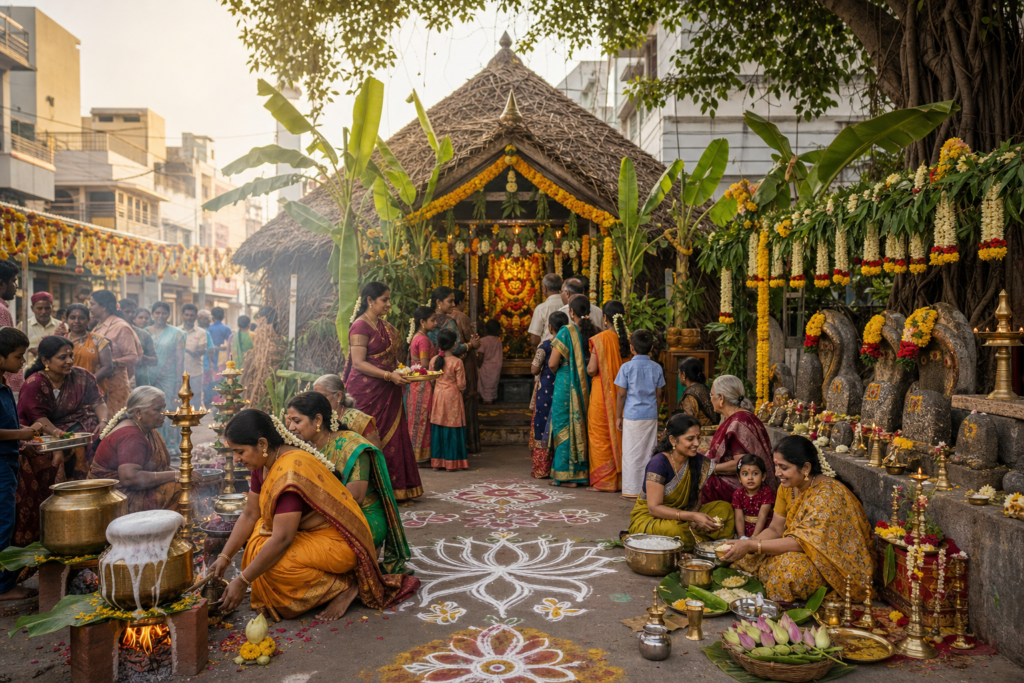
Ugadi iconography communicates layered meanings. ಬೇವು-ಬೆಲ್ಲ (neem and jaggery) represents acceptance of life’s six tastes and emotional balance; mango-leaf toranas signify prosperity; rangoli and deepa evoke auspiciousness; the kalasha symbolizes abundance and sanctity. Thoughtful inclusion of these symbolsespecially bevu-bellaenhances cultural accuracy and immediately situates the greeting within Kannada tradition.
Carefully composed messages foster emotional connection and communal warmth. In Kannada, widely used sentiments include: ಉಗಾಡಿ ಹಬ್ಬದ ಶುಭಾಶಯಗಳು; ಹೊಸ ಸಂವತ್ಸರವು ಆರೋಗ್ಯ, ಐಶ್ವರ್ಯ ಮತ್ತು ಆನಂದ ತಂದುಕೊಡಲಿ; ಬೇವು-ಬೆಲ್ಲದಂತೆ ಜೀವನದ ಎಲ್ಲ ರಸಗಳಲ್ಲೂ ಸಮತೋಲನ ಲಭಿಸಲಿ; ಪಂಚಾಂಗ ಶ್ರವಣದ ಆಶೀರ್ವಾದಗಳು ಸದಾ ನಿಮ್ಮೊಂದಿಗಿರಲಿ; ಶ್ರೀಮಂತ ಪರಂಪರೆ, ಹೊಸ ಆರಂಭ, ಹಸಿರು ವಿಶ್ವಈ ಉಗಾಡಿ ನಿಮಗೆಲ್ಲರಿಗೂ ಹಿತ, ಶಾಂತಿ ಮತ್ತು ಸಮೃದ್ಧಿ ತಂದುಕೊಡಲಿ. Bilingual cards can place a concise English rendition beneath the primary Kannada wish to serve multigenerational families and friends across regions.
Typography in Kannada demands Unicode-compliant fonts for portability and accessibility. Readable and widely supported choices include Noto Serif Kannada, Noto Sans Kannada, Baloo Tamma 2, and Tiro Kannada. Maintain adequate type size for body text (12–14 pt in print; equivalent pixel size on digital), generous line spacing, and consistent letterforms. Embed fonts when exporting PDFs to prevent substitution and ensure that all Kannada ligatures render correctly across devices and printers.
Color choices can draw from canonical festival cues: mango-leaf green, turmeric yellow, kumkum red, and temple brass tones. For technical reproducibility, specify colors in CMYK for print and sRGB for screens. Approximations such as green (#2E7D32), yellow (#F1C40F), red (#C0392B), and warm brass (#B58E56) yield a vibrant yet dignified palette suitable for Ugadi greetings while preserving legibility and cultural fidelity.
For printable cards, establish a production-ready file from the outset. Common sizes include A5 folded to A6, 5×7 inches, or A4 tri-folds for family newsletters. Work at 300 DPI in CMYK, add a 3 mm bleed on all sides, and keep critical text within a 5–7 mm safe margin. Paper stocks of 200–300 GSM yield a premium hand-feel; uncoated or lightly textured stocks complement traditional motifs and minimize glare under indoor lighting during festive gatherings.
Prepress workflow should include vector artwork for line icons (SVG or EPS), embedded font files, and high-resolution raster images cleaned of compression artifacts. Export print masters as PDF/X-1a or PDF/X-4 with fonts embedded and transparencies flattened when needed. Apply color-managed profiles (for example, a region-appropriate CMYK standard from the print vendor) and conduct a test print to verify Kannada glyph rendering, color balance, and small-text readability.
For static e-greetings, optimize compositions for key platforms. WhatsApp and Instagram Stories favor a 1080×1920 px 9:16 canvas; Instagram feed and many messaging apps perform well with 1080×1080 px; general-purpose landscape posts can use 1920×1080 px. Export PNG for crisp text and ornaments, keeping file sizes under 2 MB for swift sharing. For email, a 1200 px width at 72–144 DPI maintains clarity without triggering attachment limits.
Animated greetings can elevate engagement while preserving restraint and reverence. Aim for 10–15 seconds, using subtle transitions such as rangoli line-draw effects, shimmering deepa, or gentle torana sway. Export MP4 (H.264) at 1080p and under 10 MB for frictionless messaging. Balance ambient soundscapes with quietude; many recipients will view on mute, so ensure all narrative meaning is retained visually and typographically.
Platform-aware delivery improves visual fidelity. On WhatsApp and Telegram, sending as “document” preserves resolution and prevents compression; on Instagram, pre-visualize safe areas to avoid UI overlays; on X and Facebook, attach alt text to describe non-textual symbolism such as ಬೇವು-ಬೆಲ್ಲ, torana, or kalasha, thus supporting accessibility and cultural understanding.
Accessibility is a cultural value as well as a design standard. Provide descriptive alt text for images, ensure color contrast ratios that meet WCAG guidance, and avoid text over busy backgrounds. For motion pieces, keep animation gentle and non-flashing to respect neurodiversity. Bilingual captions support elders and young readers alike, strengthening intergenerational bonds during the festival.
Personalization deepens the social function of greetings. Consider overlay panels for Panchang highlights (tithi, nakshatra), a discreet line noting the Saka year transition, and space for a family name, community organization, or temple group. When including photographs, apply consistent color grading so that traditional elementsbevu-bella bowls, mango toranas, and lampsretain their cultural centrality and symbolic luminosity.
Ethical and legal considerations protect creators and communities. Use artwork that is original, licensed, or in the public domain; credit when required; avoid misappropriating temple imagery or sacred geometries without context. Depict rituals and dress respectfully; eschew stereotypes; keep motifs pan-dharmic-friendly when addressing interfaith or inter-tradition audiences to nurture harmony among Hindu, Buddhist, Jain, and Sikh well-wishers.
Environmentally conscious choices align with the festival’s ethos of renewal. Favor recycled or FSC-certified paper, soy or water-based inks, and minimalist color fills that reduce ink density. For digital sharing, compress responsibly to limit bandwidth without compromising the legibility of Kannada scripts and cultural symbols.
A practical blueprint streamlines production. For print: create a 5×7 inch 300 DPI CMYK canvas with 3 mm bleed; place a torana across the top margin; set the headline in Kannada at 24–30 pt; include a bevu-bella illustration near the fold; add a short Panchang panel; export as PDF/X with embedded fonts. For digital: size at 1080×1920 px sRGB; headline and subhead in Kannada; secondary tagline in English; export PNG under 2 MB; attach alt text referencing key symbols and the Ugadi 2026 observance.
Suggested headline and body copy can be tailored to audience and platform. Headline examples include ಉಗಾಡಿ ಹಬ್ಬದ ಶುಭಾಶಯಗಳು and ಹೊಸ ಸಂವತ್ಸರದ ಶುಭಾಶಯಗಳು. Supportive body text may read: ಬೇವು-ಬೆಲ್ಲದ ಸ್ಮರಣೆ ನಮ್ಮ ಮನಸ್ಸಿಗೆ ಸಮत्व, ಧೈರ್ಯ ಮತ್ತು ಕರುಣೆ ನೀಡಲಿ; ಈ ಯುಗಾದಿ ನಿಮ್ಮ ಮನೆಗೆ ಆರೋಗ್ಯ, ಆನಂದ ಮತ್ತು ಸೌಭಾಗ್ಯ ತಂದುಕೊಡಲಿ. For bilingual versions, provide a single-sentence English paraphrase beneath the Kannada to retain visual hierarchy.
Quality assurance safeguards cultural and technical accuracy. Conduct Kannada spell-checks, verify ligatures on multiple devices, preview colors in both daylight and warm indoor light, and test-print small sizes to ensure legibility. For diaspora audiences, confirm the local date of Chaitra Shukla Pratipada so that scheduled posts and email dispatches align with sunrise-based observance.
Community collaboration strengthens shared heritage. Families, schools, and cultural associations can co-create template librariesone print and one digital masterso members can personalize messages while preserving consistent, respectful iconography. Such libraries also reduce design time, encourage eco-friendly re-use, and keep attention on the festival’s devotional and ethical core.
Within the larger dharmic family, Ugadi’s spirit of renewal sits alongside other spring observances that honor gratitude, ethical resolve, and social harmony. Thoughtfully framed greetings can therefore acknowledge plural celebrations and extend goodwill across traditions, affirming unity in diversity without collapsing distinct identities or practices.
In sum, Ugadi 2026 Kannada greeting cardsprintable and digitalare most impactful when they combine precise calendrical awareness, culturally faithful symbols, clear Kannada typography, platform-specific sizing, accessibility, and ethical production. With these principles, every card or e-greeting becomes more than a festive message; it becomes a small act of cultural preservation and a bridge of goodwill across communities in Karnataka and around the world.
Inspired by this post on Hindu Pad.