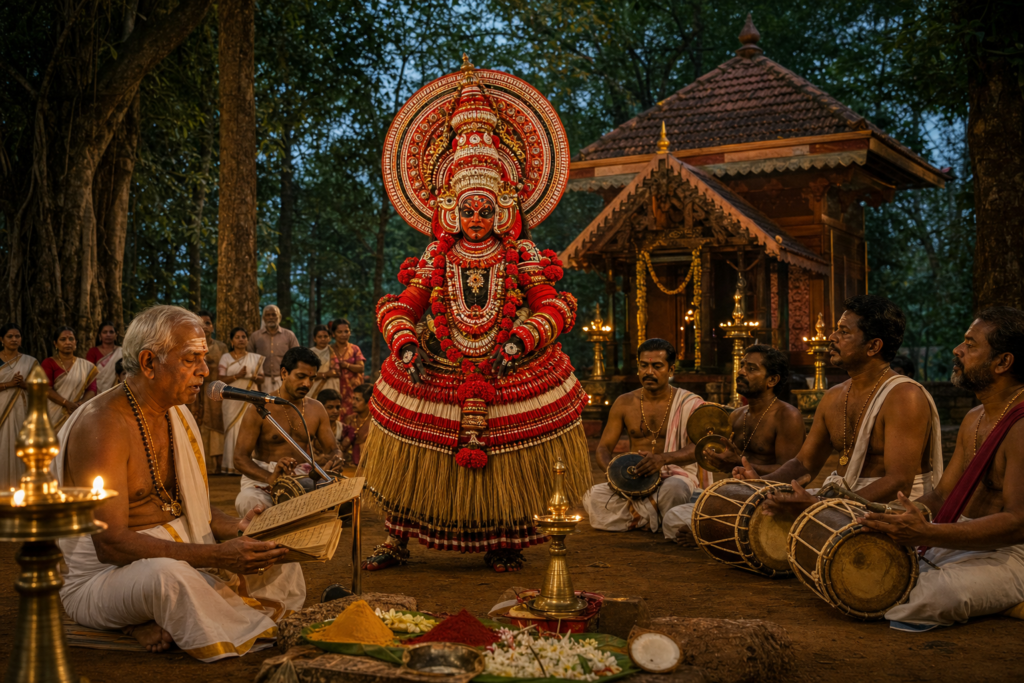
Arka Shashti Vrata is a Surya-centered observance held on the sixth lunar day (Shukla Paksha Shashthi) of Chaitra month in the Hindu calendar. In 2026, Arka Shashti falls on March 24. The vow (vrata) venerates Surya Bhagavan with Arka (Calotropis procera) leaves through Shodashopachar Pooja, aligning devotional practice with the auspicious Shashthi tithi traditionally associated with protection, vitality, and family well-being.
The name signals the ritual centrality of the Arka plantknown regionally as aak or rui (Hindi/Marathi), akanda (Bengali), and erukku (Tamil)whose botanical identity is Calotropis procera. Classical ritual manuals and regional traditions consistently consider Arka dear to Surya. The plant’s milky latex and resilient leaves render it a distinctive patra (leaf-offering) in Surya worship, while its ethnobotanical profile is noted in Ayurvedic nighantus. This convergence of ritual symbolism and traditional knowledge underpins the distinctive character of Arka Shashti.
Devotionally, the vrata focuses on Surya Bhagavan and employs Shodashopachar Poojasixteen upacharas (honors)in which Arka leaves substitute or accompany flowers during the pushpa-puja. As a Shashthi observance, it further resonates with the broader Indic idea of Shashthi’s guardianship of children and familial welfare. Many households observe the vrata to invoke Surya’s blessings for health, clarity, vigor, and protective grace over the family, especially young children.
Panchang and timing: Arka Shashti is observed when the Shukla Paksha Shashthi tithi prevails at local sunrise, following regional panchang conventions. If the tithi spans two civil dates, the day on which Shashthi is operative at sunrise generally receives precedence. Devotees often offer arghya (libation) to Surya at sunrise, perform the principal puja in the morning hours, and complete vrata-related sankalpas before sunset.
Vrat discipline (niyama): Common observances include an early bath, sattvic conduct, and a fast ranging from nirjala (waterless) to phalahara (fruits) or a light saatvik meal after the puja, depending on personal capacity and family tradition. Many incorporate Surya Namaskar sequences at dawn alongside mantra-japa (Om Suryaya Namah, Om Adityaya Namah) and stotra recitations such as Aditya Hridayam or Surya Ashtakam.
Puja vidhi (indicative sequence): After sankalpa with the stated date, place, and intention, practitioners proceed with achamana and brief pranayama for steadiness. Kalasha sthapana is followedoptionallywith Surya’s presence invoked into a consecrated murti, a copper solar disc, or a Navagraha Surya representation. Shodashopachar then unfolds: avahana and asana (invitation and seat), padya, arghya, and achamaniya (ritual waters), snana/abhisheka (where applicable), gandha and akshata, and pushpa-pujahere, Arka leaves (patra) are offered with care. Dhoopa and deepa are lit, naivedya is presented (sattvic offerings), and tambula and dakshina conclude the sequence, followed by mantra-japa, pradakshina, and kshamapana (seeking forgiveness).
Mantric focus: Alongside the seed mantra Hram Hrim Hraum Sah Suryaya Namah, many traditions emphasize the Gayatri Mantra and the Aditya Hridayam for concentrated dhyana on Surya’s brilliance. The sankalpa often expresses intentions for clarity of intellect (medha), physical vitality (ojas), eye health, disciplined action (tapas), and the protection and flourishing of childrenmotifs that harmonize naturally with Shashthi’s auspicious field of meaning.
Benefits as understood in the tradition: Arka Shashti Vrata is held to cultivate inner luminosity, steadiness of mind, and the warmth of righteous resolvequalities mirrored by Surya’s radiance. Families frequently note the vrata’s role in deepening bonds through shared prayer, early-morning arghya at sunrise, and the calm rhythm of mantra-japa. The day’s discipline is also valued as a seasonal reset at the outset of Chaitra, aligning daily routines with the brightening half of the lunar month.
Regional practice varies. In some regions of South and Western India, households integrate Arka Shashti into broader Surya traditions alongside Ravivara vratas and temple-based Navagraha worship, while in Eastern regions, the Shashthi theme of children’s protection is emphasized, reflecting the cultural presence of Shashthi Devi. These variations express a single devotional intent through diverse local languages of ritual.
Ethnobotanical note and care: Calotropis leaves are ritually significant but the plant’s latex is caustic. Handling with care is advisedavoid contact with eyes and broken skin, and wash hands after use. Sustainable collection (plucking sparingly without damaging the plant) reflects dharmic stewardship of nature. Where Arka is unavailable, many traditions permit red or orange flowers/leaves symbolic of Surya; local guideline from family acharyas or temple priests can be followed.
Interrelated observances: Arka Shashti is distinct from, yet complementary to, other Surya-focused festivals such as Ratha Saptami (Magha Shukla Saptami) and the weekly Ravivara vrata, and it shares thematic kinship with the sun-oriented austerities celebrated in various parts of India. Together these practices articulate a continuous thread of gratitude towards the life-giving sun across the Hindu sacred calendar.
Dharmic unity and the symbolism of light: Across the dharmic familyHinduism, Buddhism, Jainism, and Sikhismthe sun and the imagery of radiance frequently symbolize wisdom, ethical clarity, and inner awakening. While theology and practice differ, the shared reverence for light as a metaphor of truth fosters mutual respect and a sense of cultural kinship. Observances like Arka Shashti invite reflection on this common heritage, encouraging harmony among traditions through a focus on luminous virtues.
Planning for 2026: With Arka Shashti on March 24, practitioners may consult a reliable local panchang for precise tithi timings and align the sunrise arghya and morning puja accordingly. A simple home altar with Surya’s image, a clean copper vessel for arghya, Arka leaves or suitable substitutes, red or saffron cloth, a ghee lamp, incense, and sattvic naivedya will suffice for a dignified Shodashopachar Pooja.
Arka Shashti Vrata thus integrates careful calendrical observance (tithi), meaningful materials (Arka leaves), and a complete upachara sequence (Shodashopachar Pooja) into a coherent discipline of devotion. Practiced with steadiness and humility, it becomes a luminous vowone that seeks Surya’s grace for health, insight, and the protective well-being of the family within the wider unity of dharmic traditions.
Inspired by this post on Hindu Pad.