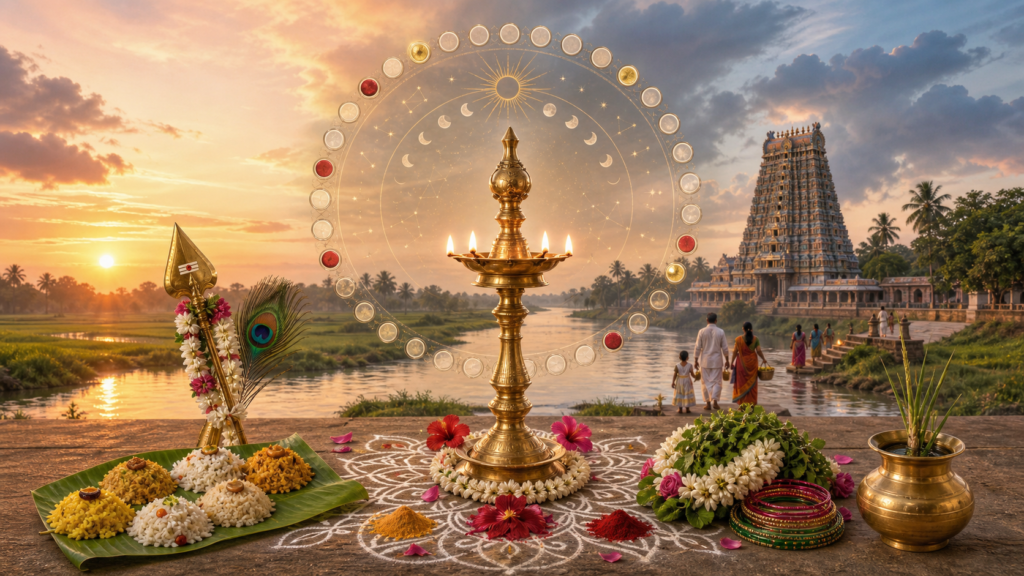
Friday, March 6, 2026 in the Hindu calendar (Panchang) spans two lunar dates (tithis) in most regions: it is Krishna Paksha Tritiya (the third lunar day of the waning phase) until 5:15 PM, after which Krishna Paksha Chaturthi begins. This transition from Tritiya to Chaturthi occurs during the civil evening and is central to daily observances, ritual planning, and festival timing. Timings are typically referenced to Indian Standard Time (IST) in standard Indian Panchang publications; practitioners outside India should adjust for local time zones and daylight saving where applicable.
A tithi is a precise astronomical measure defined by the elongation (angular difference) between the Moon and the Sun. Each tithi spans a 12-degree increment of this lunar–solar separation, so actual tithi start and end times rarely align with sunrise or the civil day. Because tithis are astronomical, a single civil date may contain parts of two tithis, as on March 6, 2026. Panchang computations rely on sidereal astronomy, using an ayanamsa (commonly Lahiri) to align calculations with the fixed-star (nirayana) zodiac.
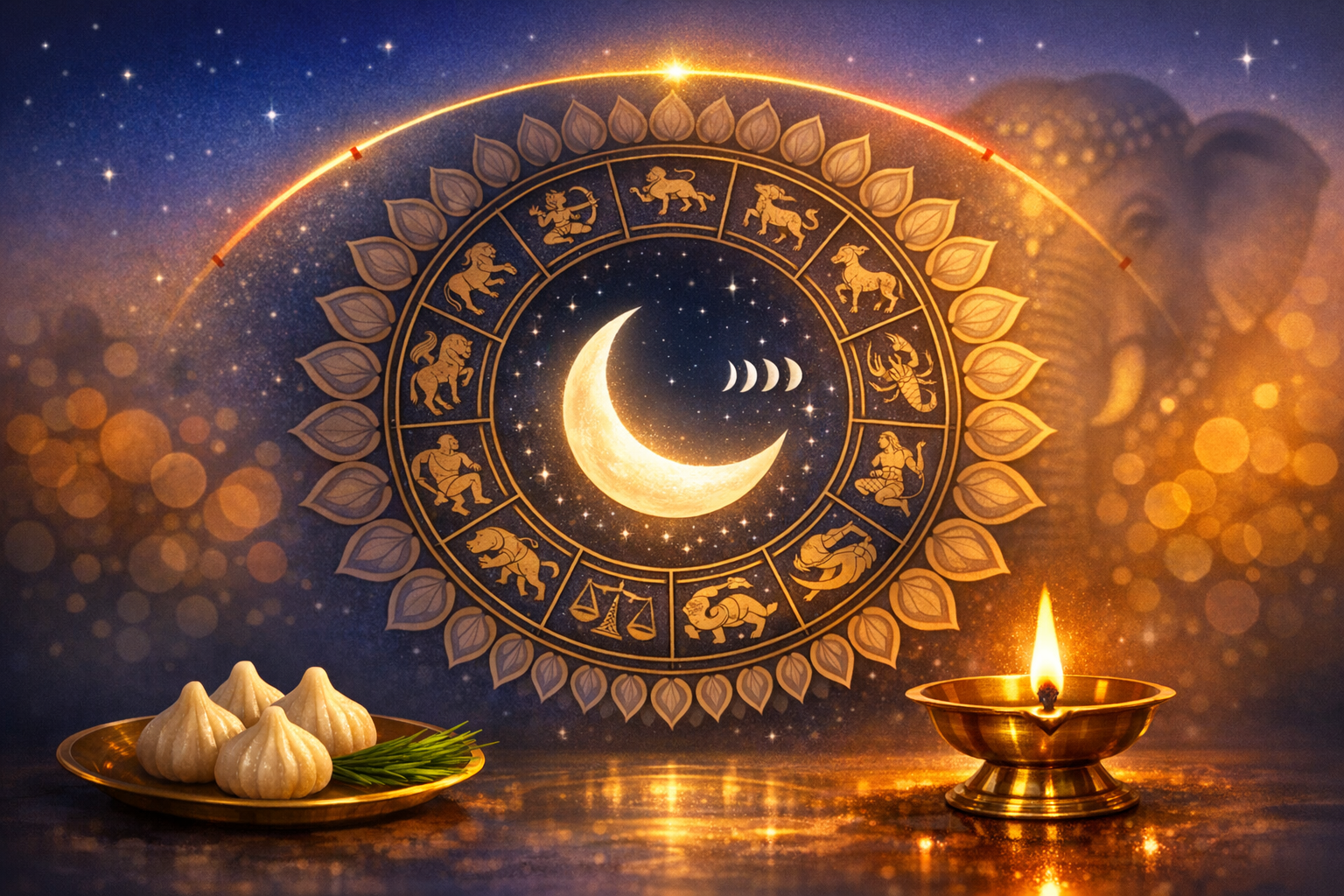
Within the fortnight (paksha), Tritiya falls under the classical Jaya classification (1–15 grouped as Nanda, Bhadra, Jaya, Rikta, and Poorna), associated in muhurta literature with initiative, determination, and constructive undertakings that demand steady focus. Chaturthi, by contrast, belongs to the Rikta group (4, 9, 14), for which many traditional sources advise avoiding major inaugurations or first-time commencements. Nonetheless, Krishna Paksha Chaturthi is sacred in household practice and widely observed for Ganesha worship as Sankashti Chaturthi, especially after moonrise.
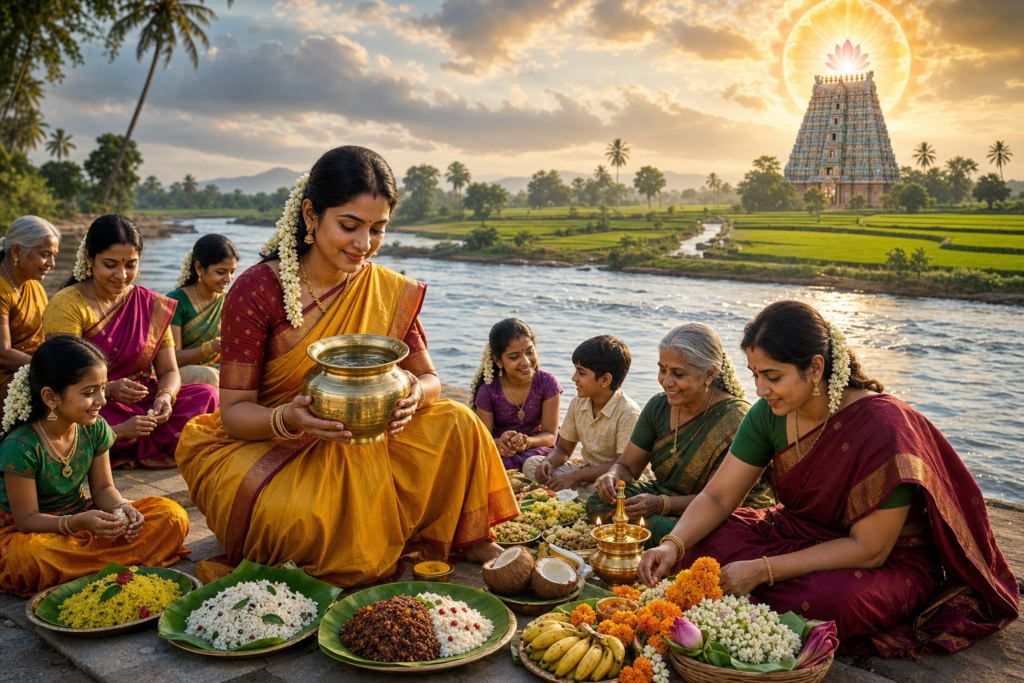
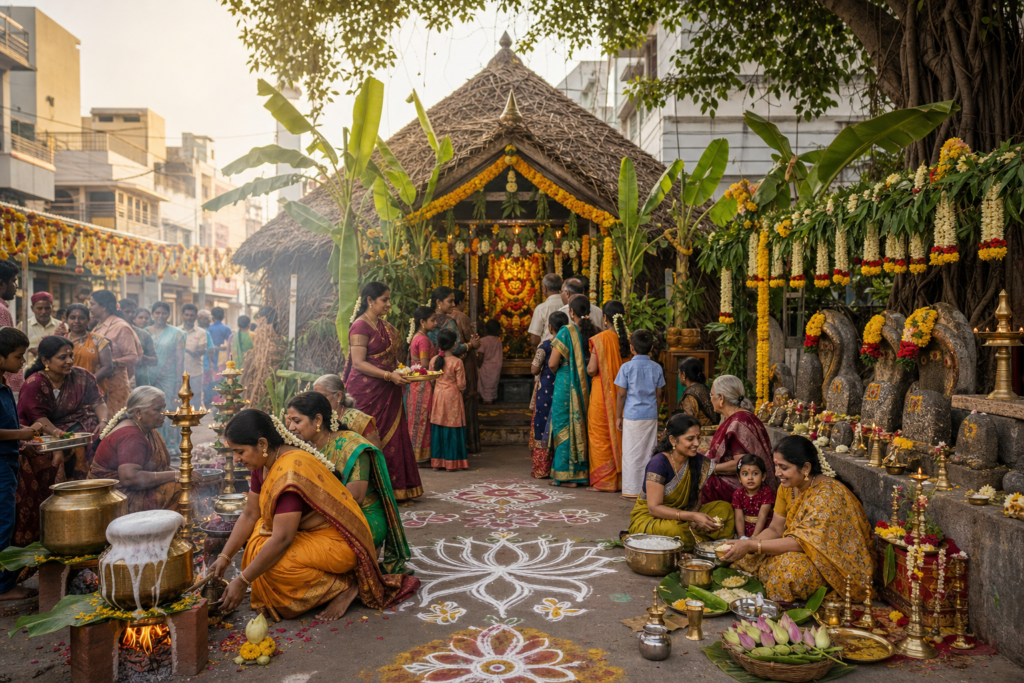
Given the shift to Krishna Paksha Chaturthi after 5:15 PM, many communities observe Sankashti Chaturthi vrata on this evening, completing worship after the local Chandra-darshan (moonrise). Households often experience a reflective quiet before moonriselamps lit, stories of Ganesha shared by elders, and simple offerings preparedanchoring a sense of continuity that spans generations. As always, the fast and its conclusion should follow local moonrise time; regional almanacs provide accurate, location-specific data for this.
Good Time (Shubh Muhurta) selection on this date draws on standard Panchang components: tithi (Tritiya transitioning to Chaturthi), weekday (Friday), nakshatra, yoga, and karana, along with daily considerations such as Rahu Kalam, Yamaganda, and Gulika. Classical neutral-to-auspicious windows include Abhijit Muhurta (centered on local solar noon) and, in some traditions, Vijaya Muhurta in the late afternoon; their exact spans vary with a location’s sunrise and sunset. To avoid inauspicious intervals, divide the local daylight into eight equal parts; for Friday, Rahu Kalam occupies the fifth segment of the day, Yamaganda the third, and Gulika the seventh, each scaled to the local daylight length.
Nakshatra and Chandra Rashi (Moon sign) refine both muhurta and personal practice. Nakshatra denotes the Moon’s position among the 27 lunar mansions, while Chandra Rashi indicates the sidereal sign the Moon occupies. Both depend on exact time and location. Because March 6, 2026 contains a mid-day tithi change, nakshatra and Chandra Rashi may also shift during the day; authoritative values should therefore be taken from a location-aware Panchang or observatory-grade ephemeris.
For those aligning personal undertakings to Tarabalam and Chandrabalam, the method is straightforward. Tarabalam compares the day’s nakshatra to one’s janma nakshatra using the 9-star tara cycle to gauge support, neutrality, or caution. Chandrabalam evaluates the Moon’s sign against one’s janma rashi for emotional steadiness and receptivity. Because both are individual-specific, they are best obtained from a personalized Panchang that accepts birth data and current location.
Regional month naming for this date may differ due to the Purnimanta (north–northwest India) versus Amanta (western–southern India) lunar month conventions. Under Purnimanta reckoning, the dark fortnight here often falls in Phalguna Krishna Paksha, whereas Amanta systems may label the same span differently. Such differences reflect historic calendrical schools; both preserve the same astronomy while adjusting month boundaries.
Computation standards also vary between Drik (observation-based/astronomical) and Vakya (traditional rule-based) Panchangs, especially in South India, though most contemporary almanacs now employ Drik methods. Minor discrepancies may occur across publications due to chosen ayanamsa, precision of ephemerides, and rounding rules at tithi boundaries. When timing is sensitivesuch as for sankalpa, homa, or vrata samaptirely on a single authoritative Panchang for consistency.
To localize this Panchang for a specific place on March 6, 2026, a practical workflow helps: note the published tithi change (Tritiya to Chaturthi) and interpret it in your time zone; derive sunrise, solar noon, and sunset for the location; compute Abhijit Muhurta about local solar noon; partition daylight into eight equal parts to obtain Rahu Kalam, Yamaganda, and Gulika; then read nakshatra, yoga, karana, and Chandra Rashi from a location-aware ephemeris. This process aligns household observance with the underlying astronomy and supports accurate ritual timing.
Calendar literacy in the dharmic world is a shared heritage. Lunar day reckoning via tithi is integral not only to Hindu Panchang usage but also informs traditional observances among Buddhists and Jains, while Sikh historical commemorations have historically referenced Bikrami computations even as modern Nanakshahi is solar. Recognizing this common time-reckoning fosters unity across Hinduism, Buddhism, Jainism, and Sikhism, emphasizing respect for regional customs alongside a shared cosmic rhythm.
In summary, Friday, March 6, 2026 begins with Krishna Paksha Tritiya and moves into Krishna Paksha Chaturthi at 5:15 PM in most Indian references. Those observing Sankashti Chaturthi may plan Ganesha worship after local moonrise. Muhurta selection benefits from checking Abhijit Muhurta and avoiding Friday’s Rahu Kalam segment (scaled to the day length), while nakshatra and Chandra Rashi should be confirmed through a location-aware Panchang. When in doubt, consult a single trusted source for the day to maintain consistency across all observances.
Inspired by this post on Hindu Blog.