New Dhwajasthambha Samprokshana Mahotsavams are scheduled from February 13 to 15, 2026, at the renowned Sri Lakshmi Narasimha Swamy Temple in Tarigonda, Gurramkonda Mandal, Annamayya District, Andhra Pradesh. This three-day observance at a celebrated pilgrimage centre underscores the living continuum of temple traditions in South India and the enduring devotion to Sri Lakshmi Narasimha Swamy.
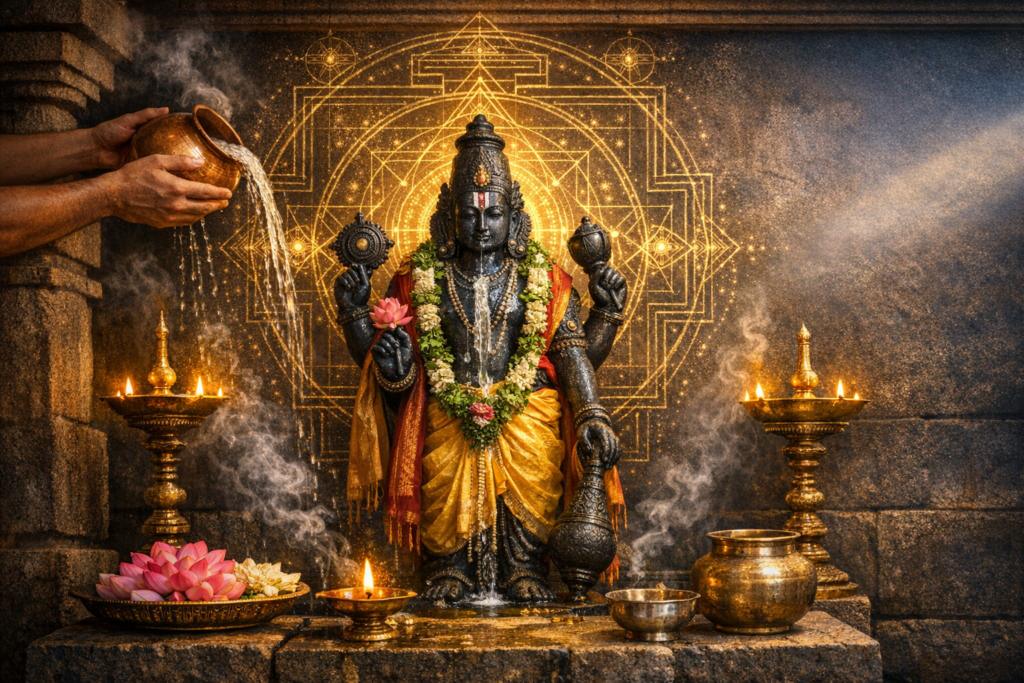
Dhwajasthambha Samprokshana refers to the ritual re-sanctification of the temple’s flagstaff (dhvaja-stambha), a sacred axis that signifies the temple’s protective aura, ritual purity, and the community’s renewed pledge to dharma. In the agamic framework, samprokshana revitalizes the spiritual potency of consecrated structures through mantras, homas, and abhisheka with sanctified waters (kalasha), affirming both continuity and sacred renewal.
As is customary in such Mahotsavams, the three-day program generally includes Veda parayanam, homas, dhvaja-stambha purification and abhisheka, processional rituals (utsavams), and special archana to Sri Lakshmi Narasimha Swamy. The culmination traditionally accentuates the dhvaja’s sanctification, accompanied by devotional music, cultural offerings, and distribution of prasadam, with precise timings to be issued by the temple authorities.
Devotees frequently recount the emotionally resonant moment when the sanctified dhvaja is revealed—an instant that blends reverence, community solidarity, and a palpable sense of spiritual uplift. Such experiences create lasting bonds among pilgrims, families, and volunteers, reinforcing the temple’s role as a locus of heritage, seva, and shared values.
Situated in Tarigonda within Gurramkonda Mandal of Annamayya District, the temple stands as a vital node in the cultural geography of Andhra Pradesh temples. The site’s association with Sri Lakshmi Narasimha Swamy continues to inspire regional bhakti traditions, facilitating regular pilgrim circuits and educational engagement with temple architecture, ritual practice, and local history.
The dhvaja symbol carries a unifying resonance across dharmic traditions. While the Dhwajasthambha anchors Hindu temple space, cognate flag traditions—Buddhist dharma-dhvaja, Jain dhvaja, and the Sikh Nishan Sahib—similarly affirm righteous conduct, community service, and spiritual aspiration. Recognizing this shared symbolism fosters inter-traditional harmony and underlines the blog’s objective of unity among Hinduism, Buddhism, Jainism, and Sikhism.
Pilgrims planning to attend from February 13–15, 2026, are encouraged to follow official announcements for detailed schedules and to observe customary temple etiquette. Respect for local communities, environmentally mindful practices, and a spirit of seva enhance the collective experience, ensuring that the Dhwajasthambha Samprokshana at Sri Lakshmi Narasimha Swamy Temple remains a model of sacred celebration and cultural stewardship.
Inspired by this post on Hindu Pad.