Ayush Homa—also known as Ayush Homam—is traditionally performed to invoke blessings of longevity, vitality, and well-being. When observed on birthdays and anniversaries, it marks the renewal of life-cycles and shared vows, embedding celebration within a sacred framework of gratitude, remembrance, and auspicious intent. The practice aligns personal milestones with dharmic timekeeping, transforming private joy into a collective moment of sanctity and reflection.
Mantra chanting during Ayush Homa cultivates an atmosphere of positivity and sacredness. In Vedic understanding, sound (shabda) ordered through mantra modulates attention, breath, and intention, thereby refining the inner climate of the observance. This harmonized field—created by rhythmic recitation and fire offerings—supports clarity, composure, and a felt sense of protection around the family and community.
Classical teachings describe the human constitution as comprising the sthula (gross) body and the sukshma (subtle) body, with references noting that the subtle body extends beyond the physical—often described as about one and a half times larger. Within this layered view, Ayush Homa operates not only at the tangible level but also at the sukshma plane, gently influencing patterns of thought, emotion, and energy. The tradition further acknowledges the Karana Sharira (causal body), indicating a continuum from gross to subtle in which ritual, intention, and mantra can leave salutary impressions.
Celebrating birthdays and anniversaries through Ayush Homa places longevity (āyus), health, and harmonious relationships at the heart of milestone observances. These occasions naturally invite sankalpa—an articulated intention—allowing families to reaffirm values, express gratitude to elders, and consecrate new beginnings. In this sense, the homa becomes both commemoration and course-correction, aligning daily life with enduring dharmic principles.
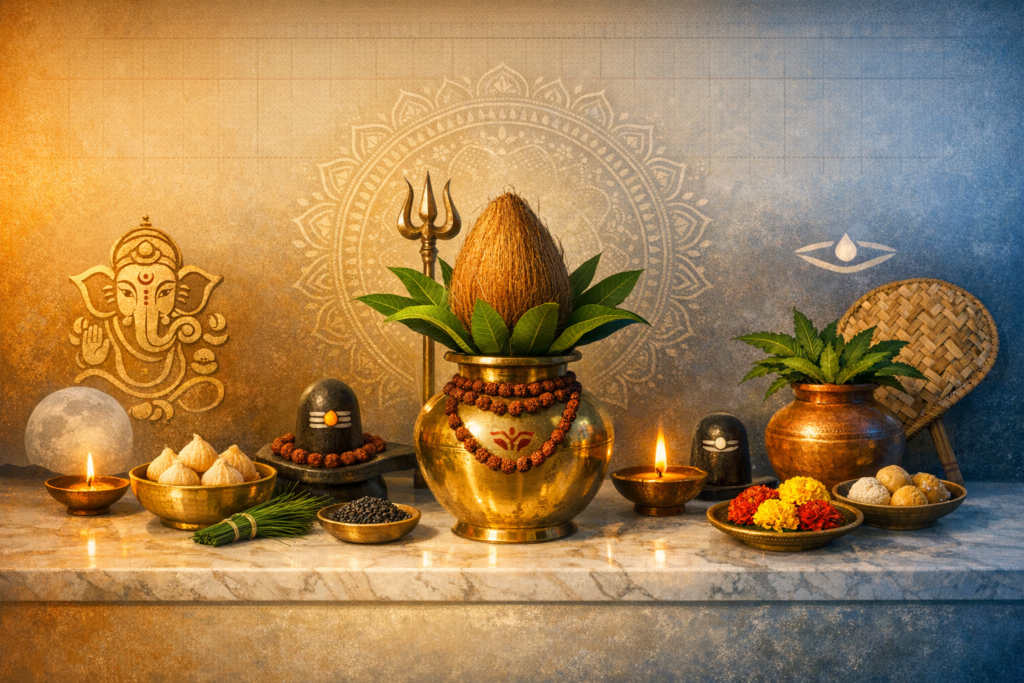
The ritual dynamic of homa centers on Agni as purifier and messenger. Offerings (āhutis) of ghee and select herbs, synchronized with mantra, symbolically return gratitude to the cosmos and invite blessings in turn. The synergy of fire, sound, and measured breath steadies attention, while the ritual cadence fosters collective focus—qualities especially meaningful when marking a personal or shared rite of passage.
Ayush Homa also resonates with values shared across the dharmic family—Hinduism, Buddhism, Jainism, and Sikhism—such as mindfulness, compassion, self-discipline, and service. While the specific liturgical forms differ, the underlying commitments to ethical living, attentive recitation, and community well-being are common threads. In this inclusive spirit, households often complement the homa with acts of dana (charity), collective prayers, or mindful silence, reinforcing unity and mutual respect across traditions.
Practical observance varies by region and lineage. Some families invite priests to conduct a full homa; others opt for a simple havan at home, accompanied by japa and quiet reflection. The emphasis remains on sincerity of sankalpa, respect for tradition, and eco-conscious offerings. When elders and children participate together—lighting the lamp, reciting simple mantras, or offering flowers—the ritual naturally becomes intergenerational learning in action.
As an ethical note, Ayush Homa is not a substitute for healthcare or counseling. Rather, it complements holistic well-being by cultivating steadiness, gratitude, and healthy shared routines. Maintaining cleanliness, using natural materials, and concluding with prasada and collective blessings ensures the rite remains both reverent and sustainable.
Observed on birthdays and anniversaries, Ayush Homa elegantly binds celebration to spiritual insight. It invites participants to honor time, deepen familial bonds, and nurture inner and outer harmony—from sthula to sukshma—while standing in continuity with a wider dharmic ethos of unity, care, and responsible living.
Inspired by this post on Hindu Pad.