
-
Layayoga in Hinduism: A Powerful Path to Dissolve Mind into Brahman via Nada and Kundalini
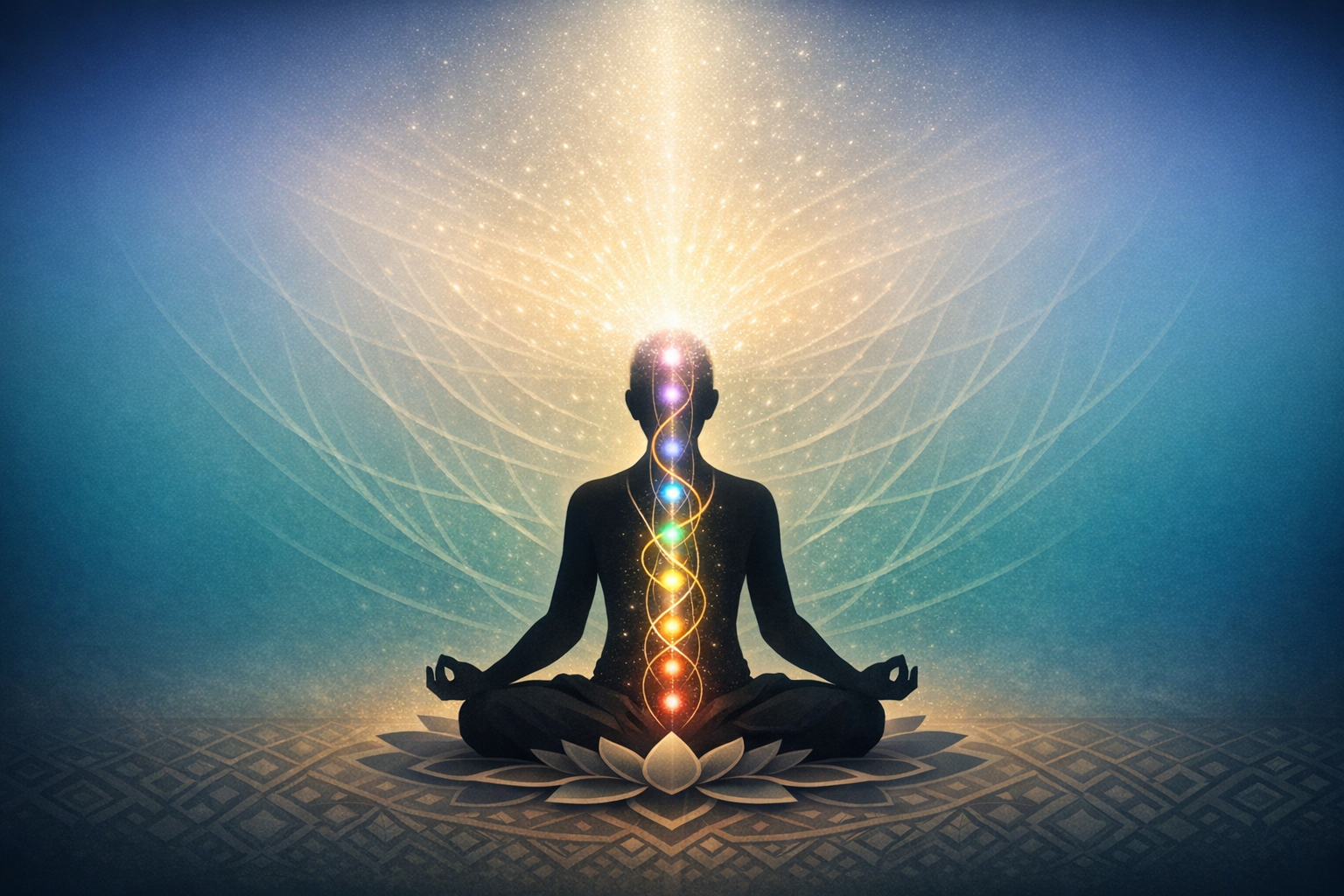
Layayoga, the yoga of dissolution, offers a rigorous pathway in Hinduism to absorb sensory, mental, and energetic activity into subtler awareness until the nondual identity of atman and Brahman is self-evident. Rooted in the Yoga Upanishads, Hatha Yoga, and Raja Yoga, it employs pratyahara, refined pranayama, mantra, and inner sound (nada) to stabilize attention in…
-
Become the Witness: Rise Above Matter and Realize Consciousness with Timeless Dharmic Wisdom
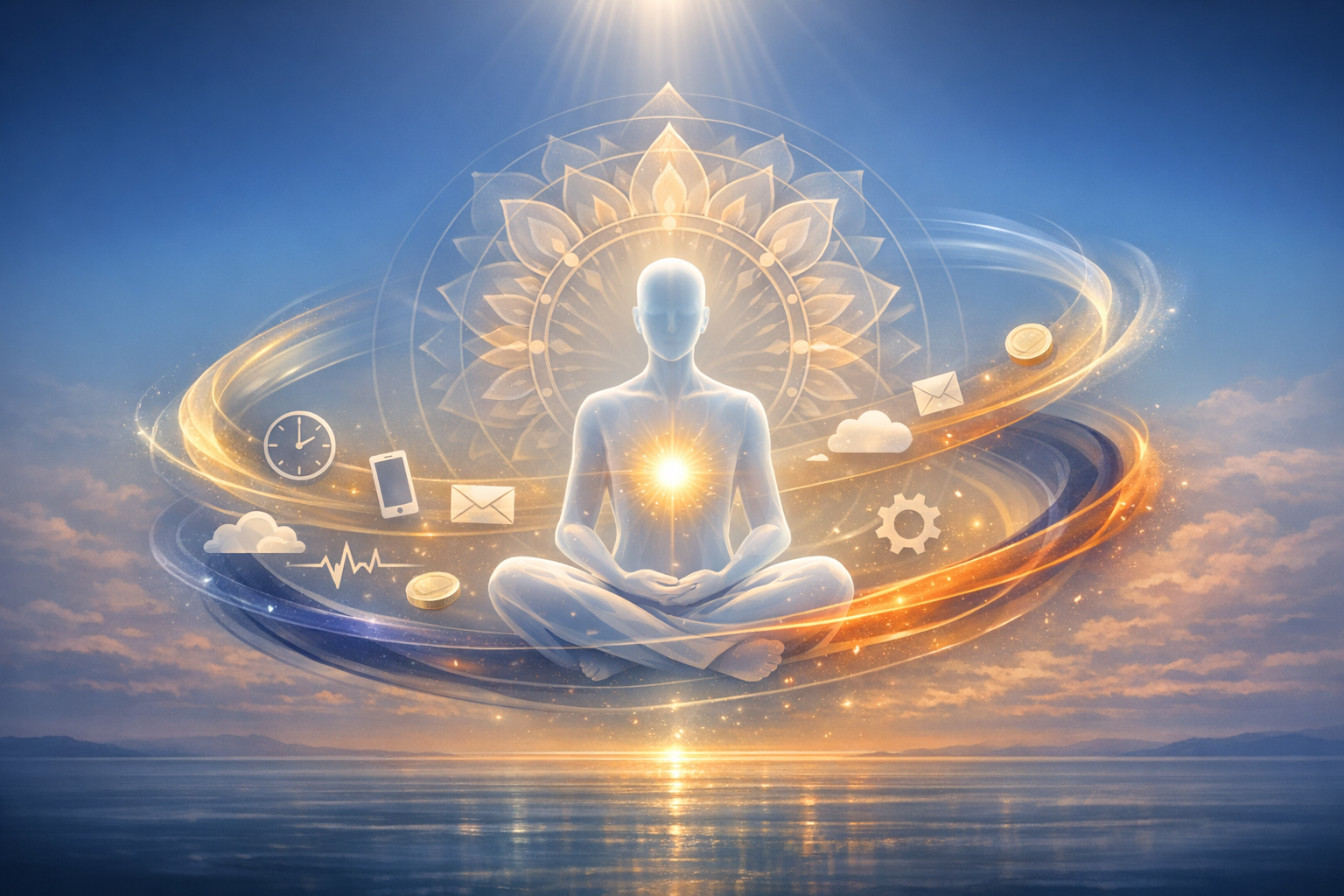
This long-form, academically grounded essay explains why over-identification with matter creates volatility and how dharmic traditions teach a precise, trainable alternative: witness-consciousness (sakṣi-bhāva). Drawing from Sāṅkhya–Yoga, Advaita Vedānta, the Bhagavad Gītā, Buddhist mindfulness, Jain anekāntavāda, and Sikh practices such as Naam Simran, it shows the deep unity of Hinduism, Buddhism, Jainism, and Sikhism. Readers gain…
-
Self‑Born, Mind‑Born, Womb‑Born: Decoding the Profound Hindu Cosmology and Sanat Kumaras
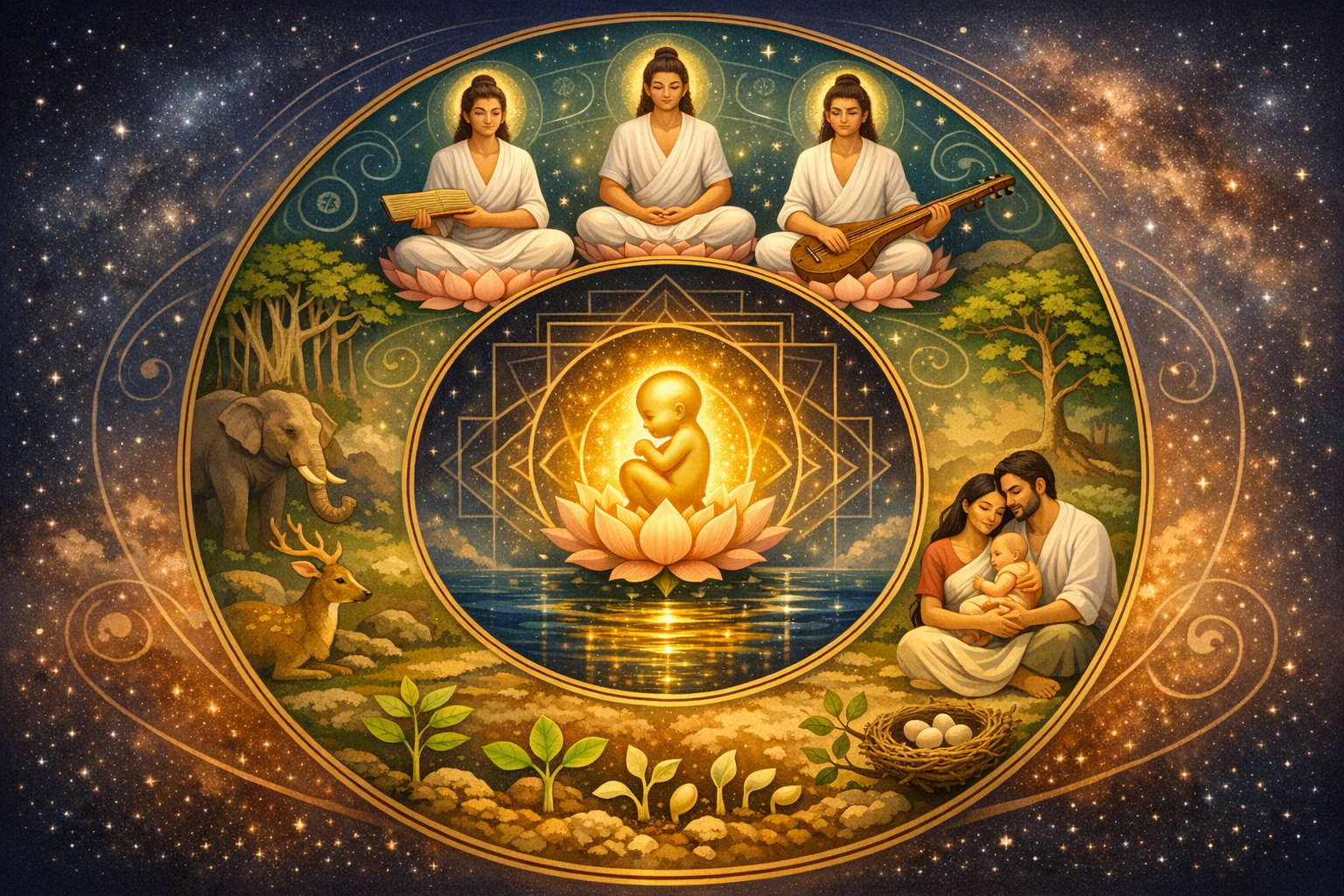
Hindu cosmology describes creation in three interlinked stages: self-born (svayambhū), mind-born (mānasa), and womb-born (jarāyujā). Drawing on the Viṣṇu Purāṇa, Śrīmad-Bhāgavatam, and allied texts, this analysis shows how sarga (primary emanation) and visarga (secondary diversification) structure a descent from subtle principle to mental formation and biological life. The Sanat Kumaras and Nārada exemplify the mind-born…
-
Mahatparinama Unveiled: The Transformative Journey from Subtle to Manifest Reality in Hindu Philosophy
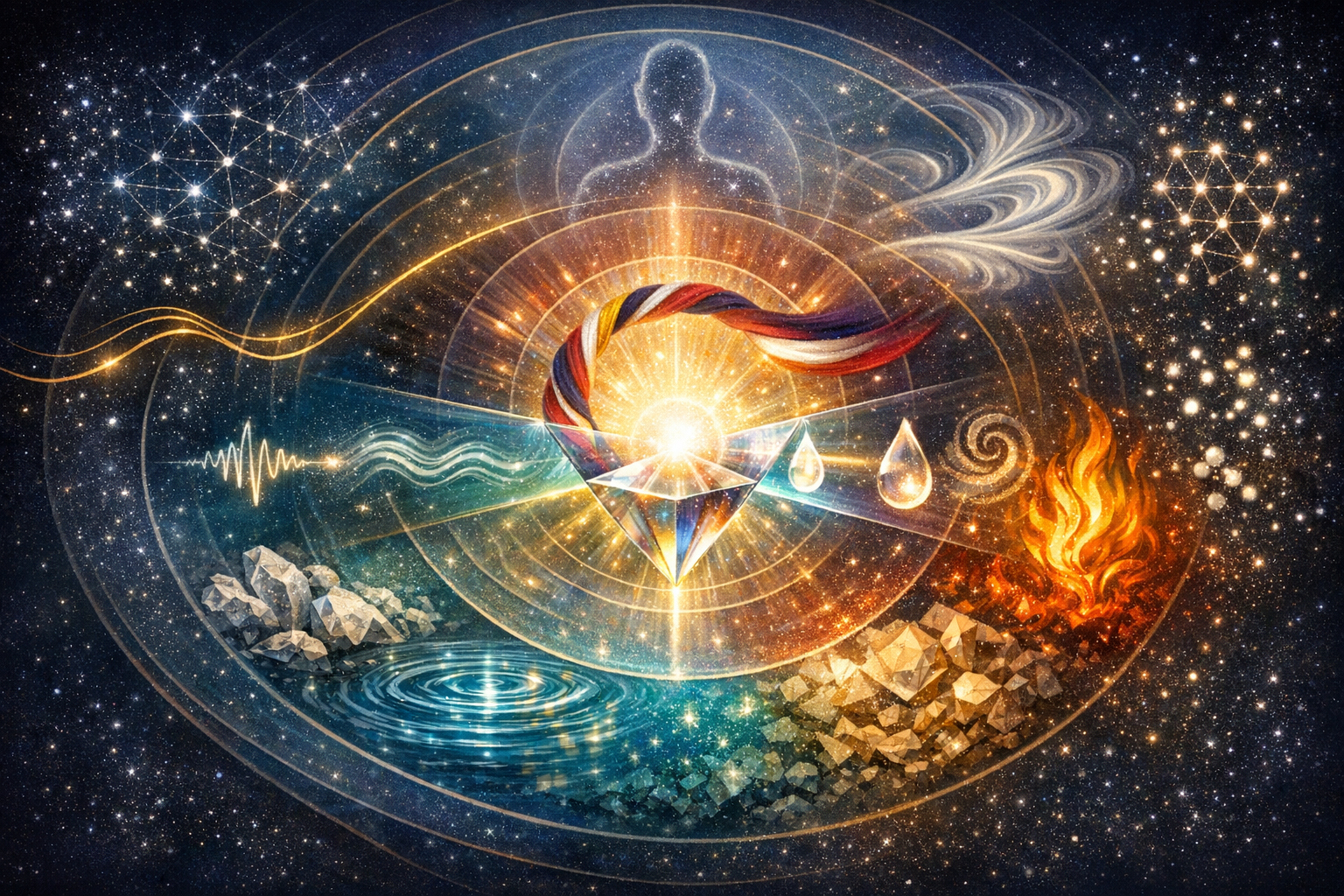
Mahatparinamathe transformation from subtle to manifestprovides a unifying grammar for Hindu philosophy, linking Samkhya’s cosmology, Vaisheshika’s atomism, Vedanta’s metaphysics, and Yoga’s inner practice. This comprehensive explainer maps the emergence from mahat (cosmic intelligence) through ahamkara, tanmatras, and the mahabhutas, clarifying how sukshma processes shape sthula outcomes. It contrasts satkaryavada and asatkaryavada, situates parinama and vivarta…
-
Sri Aurobindo’s Inner Yajna: How Heart-Centered Worship Outshines Outer Rituals
Sri Aurobindo distinguishes outer ritual from inner yajna and shows why inner worship transforms consciousness more reliably than external observance. Drawing on Vedic philosophy, the Bhagavad Gita, and integral methods from Karma Yoga, Bhakti, Jnana, and Raja Yoga, the discussion explains how sacrifice progresses from the gross to the subtle, purifying manas, buddhi, and chitta.…
-
From Brahman to Cosmos: Decoding Hindu Cosmology, Cyclic Time, and Dharmic Unity

Hindu cosmology portrays creation as emergence from an undivided reality, Brahman, rather than a one-time act ex nihilo. Drawing on the Upanishads, Sāṅkhya, Vedānta, and the Puranas, it explains how the subtle becomes gross through ordered stages, from mahat and ahaṅkāra to the five elements. Cyclic timeyugas, manvantaras, and kalpasreplaces linear beginnings with rhythmic manifestation…
-
Dissolving Matter’s Mirage: Dharmic Wisdom on Returning to the Primordial, Nondual Source
This essay examines how dharmic traditions understand the illusion of materiality and the emergence of a primordial, nondual source through deep inquiry. Drawing on the Upanishads, Bhagavad Gita, Advaita Vedanta, and yogic practice, it explains the movement from gross to subtle via pañca-kośa and the triad of sthūla–sūkṣma–kāraṇa śarīra. It highlights complementary perspectives in Buddhism…
-
Unlocking Kosha: From the Five Sheaths of the Self to the Treasury of Hindu Statecraft

Kosha holds a powerful dual meaning in Hindu thought: the five sheaths (panchakoshas) that veil the self in Vedanta and the treasury that sustains a kingdom in classical statecraft. Grounded in the Taittiriya Upanishad and Pancha Kosha Viveka, this analysis clarifies each sheathannamaya, pranamaya, manomaya, vijnanamaya, anandamayaand maps practices from asana and pranayama to pratyahara,…
-
Why Ayush Homa on Birthdays and Anniversaries Deepens Blessings, Longevity, and Family Harmony

Ayush Homa on birthdays and anniversaries consecrates personal milestones with prayers for longevity, vitality, and harmony. Mantra chanting fosters a tangible field of positivity and sacredness, steadying attention and deepening gratitude. Within traditional frameworks of sthula and sukshma bodies, the rite is understood to work beyond the physical, gently harmonizing subtle patterns of thought and…
-
From Sthula to Sukshma: The Journey of Spiritual Practice

This blog post explores the journey from gross to subtle in Sanatana Dharma through meditation and japa. It delves into the importance of increasing sattva, the role of chakras in Raja Yoga, and the progressive nature of spiritual practices, emphasizing focus and one-pointedness to achieve spiritual realization.