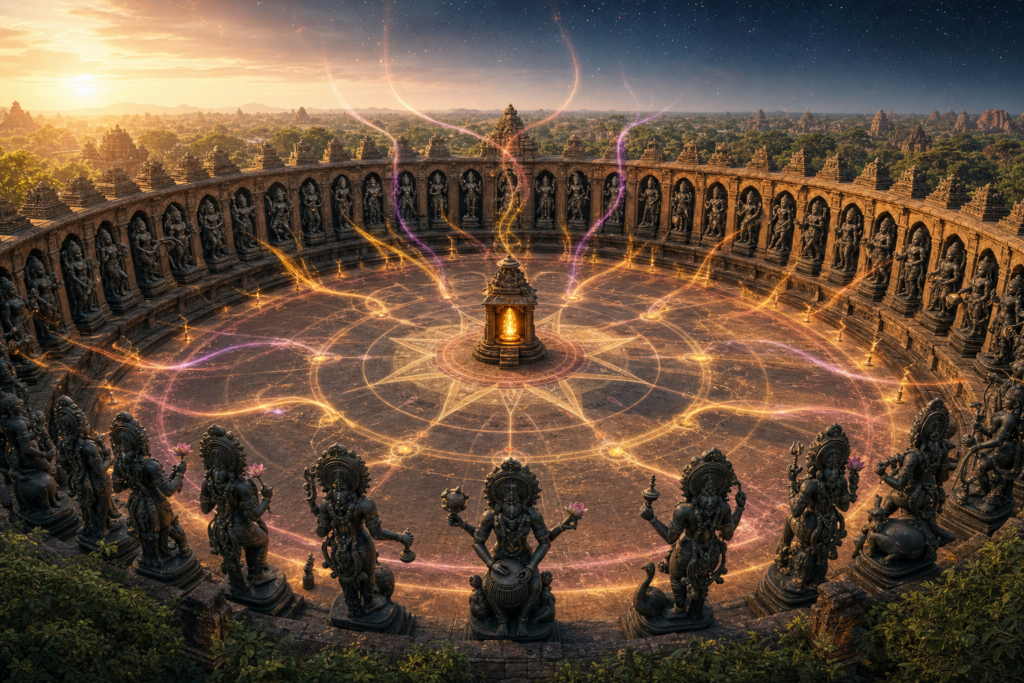
As dusk settles along the banks of the Bharathapuzhaaffectionately called the Nilarows of lamps, the cadence of conches, and congregational chanting signal a living tradition renewed. In recent years, the revival of Mamankam has emerged as a Kerala-inflected Kumbh Mela: a large-scale, river-centered gathering that affirms cultural continuity, spiritual depth, and social harmony. Framed not as a political slogan but as a civilizational reawakening rooted in inclusivity, the celebration foregrounds peace (shanti), prosperity (samriddhi), and shared ethical values across India’s dharmic traditions.
Historically associated with the sacred geography of Tirunavaya on the Bharathapuzha, Mamankam functioned as a periodic convergence of ritual, arts, trade, and collective memory in Kerala. Today’s revival consciously preserves the spiritual core of that heritage while shedding conflict-laden narratives, reframing the festival as a public expression of cultural heritage and spiritual unity. In this sense, Mamankam mirrors the civilizational impulse behind the Kumbh Mela: the periodic return to origins, the reaffirmation of community bonds, and the renewal of vows to live by dharma.
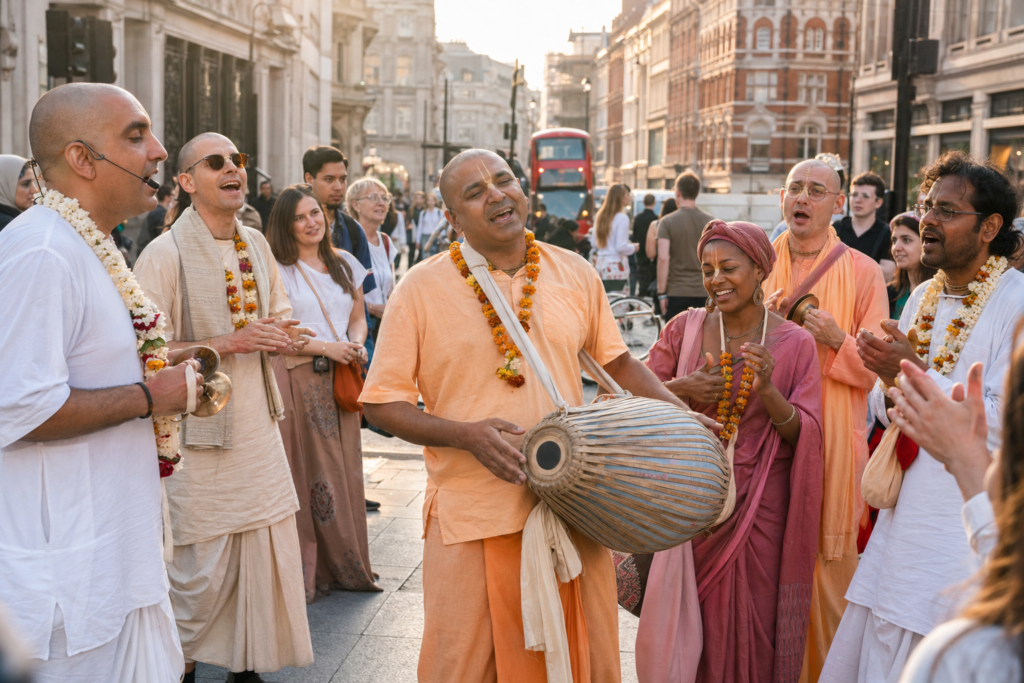
Central observancesritual bath (snan), lamp offerings (deepam), devotional music, and collective prayercarry layered symbolism. The river is revered as a living presence, a source of purification and moral clarity. Participants note that the rythms of worship on the Nila evoke the sanctity associated with pan-Indian Hindu festivals and pilgrimages, while remaining distinctly Kerala in aesthetic and practice. The shared experience of darshan along the riverbanks fosters a calm yet palpable sense of solidarity.
Crucially, the revival articulates a broad, dharmic ethic of unity-in-diversity. While grounded in Hindu rituals and scriptures, its guiding valuesahimsa, seva, dana, satya, and dharmaresonate with the spiritual DNA of Hinduism, Buddhism, Jainism, and Sikhism. The ethos invites seekers from these traditions to engage devotionally or reflectively, without erasing differences in doctrine or practice. This inclusive framing strengthens inter-community trust and exemplifies the civilizational capacity to host plural paths without contention.
The social impact extends beyond the sacred precincts. Heritage conservation efforts, artisanal livelihoods, community kitchens, and youth-led volunteerism now entwine with the festival’s spiritual arc. Elders recount ancestral memories of the river and its fairs, while younger generations experience living heritage through service, music, and study circles. Such intergenerational transmission builds cultural confidence, revitalizes local economies, and enriches Kerala’s cultural tapestry.
Visitor accounts consistently describe a distinct emotional tenor: families arriving together at dawn, volunteers coordinating queues with quiet efficiency, and musicians offering bhajans that carry across the water. The result is an environment of gentle disciplinedevotional yet orderlywhere individuals report clarity of mind, reduced anxiety, and a strengthened sense of belonging. These lived experiences, though personal, are collectively formative: they transform a crowd into a community.
By centering prayers for peace and prosperity, the gathering aligns spiritual aspiration with civic well-being. The emphasis on harmony in public life, ethical conduct, and mutual respect contributes to social stability. In a wider frame, such gatherings extend India’s cultural diplomacy and soft power: they communicate a message of plural spiritual vitality, cultural resilience, and shared responsibility.
Responsible stewardship underpins the revival’s credibility. Organizers and participants prioritize environmental care for the Nila through waste segregation, plastic minimization, riverbank cleanliness, and respect for sacred spaces. Accessibility measuresclean water points, medical aid, and support for eldersreflect a maturing culture of seva, ensuring that devotion is matched by duty to people and place.
In sum, Mamankam reborn on the Bharathapuzha is less a recreation than a re-centering: a Kerala-origin expression of the Kumbh Mela spirit that binds memory to meaning and ritual to responsibility. By foregrounding dharmic unity, ethical inclusivity, and environmental care, it stands as a beacon of cultural renewalone that nourishes peace, fosters prosperity, and strengthens the shared civilizational fabric across Hinduism, Buddhism, Jainism, and Sikhism.
Inspired by this post on Struggle for Hindu Existence.