Across India, taking a dip in holy rivers such as the Ganga, Yamuna, Godavari, Narmada, and Cauvery remains a living tradition that blends devotion, community, and the rhythms of daily life. In many villages, people still bathe in these sacred waters, and in earlier times they even washed clothes along the ghats, reflecting how spiritual practice and livelihood once flowed together on the riverbank.
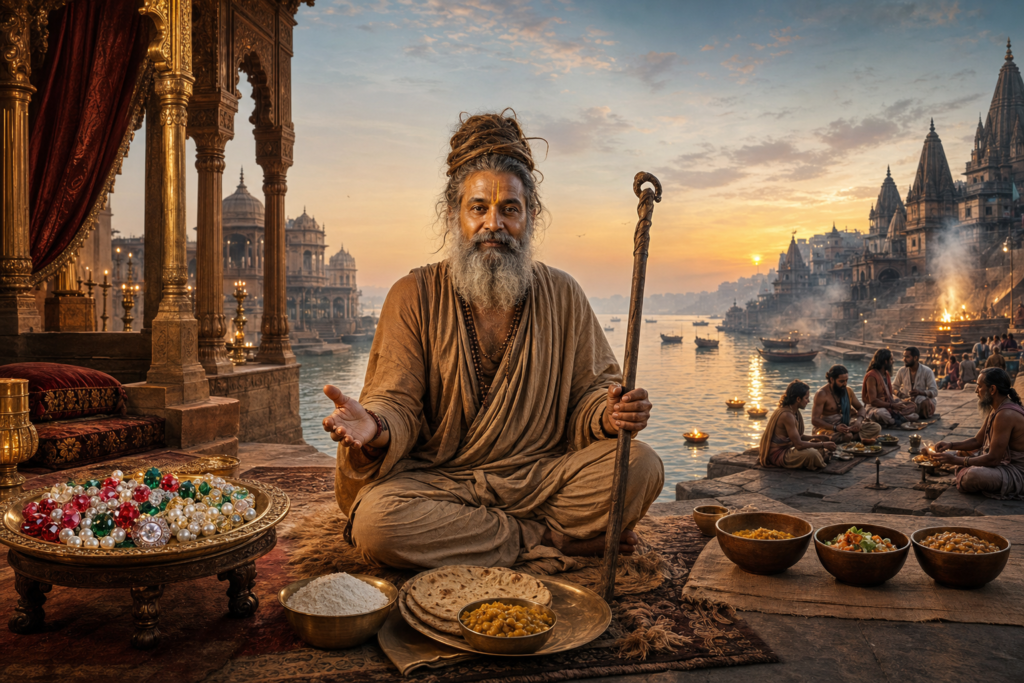
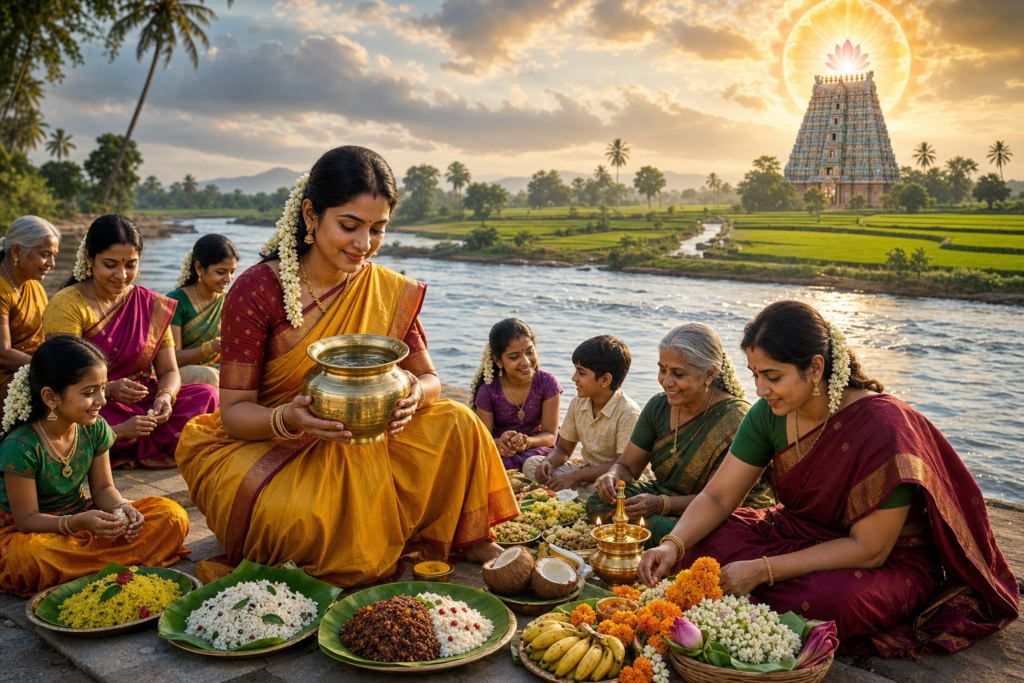
At dawn along the Ganga in Kashi or the Cauvery in the south, one observes a quiet choreography: the cool water, soft mantras, and patient queues at the steps. Pilgrims often describe a sense of lightness as the current laps their feet, a feeling of renewal that arrives even before the first immersion. The ritual carries an emotional cadencereverence, humility, gratitudethat continues well after the sun rises.
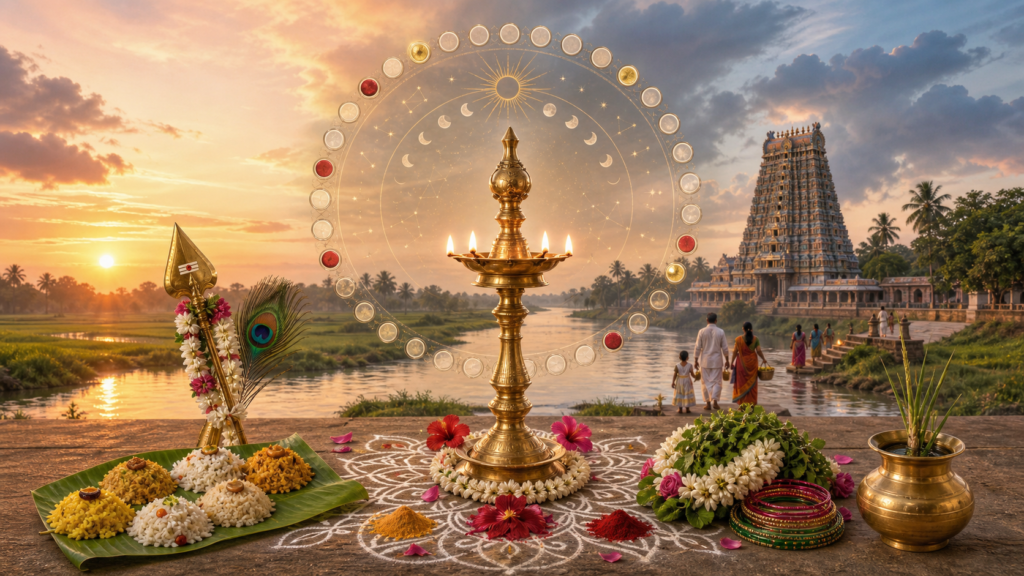
Scriptural and customary sources frame this practice as tirtha snana, a sacred bath undertaken with a clear sankalpa or intention. Many observe it on auspicious cycles such as Purnima and Amavasya, during Magh Snan, and through Karthika Masam observances. Large gatherings like the Kumbh Mela amplify this ethos of purification and solidarity, yet the quiet, everyday dip at a neighborhood ghat expresses the same essence of devotion.
Beyond religious duty, river bathing functions as a contemplative discipline. The cold water invites steady breath, present-moment awareness, and a reflective pause before the day’s work. While outcomes vary by individual, many participants report clarity of mind, an easing of mental clutter, and a grounded sense of belonging to place and tradition.
These rivers are anchors of sacred geography and community life. The Ganga and Yamuna at Prayagraj, the Godavari in Nashik, the Narmada along its long westward course, and the Cauvery across Karnataka and Tamil Nadu map a civilizational network of tirtha-yatra. Historically, riverbanks supported bathing, ritual, and household needs together; today, responsible practice calls for sensitivity to ecological limits and community guidelines.
Importantly, the reverence for sacred water unites the broader dharmic family. In Sikhism, sarovar immersion at places such as the Amrit Sarovar in Harmandir Sahib centers the values of seva and humility. Jain communities observe snatra puja and jalabhisheka as acts of purity and discipline at tirthas. In Buddhist traditions, water offerings and ritual washingsseen in practices during Vesak and other local customssymbolize cleansing and compassion. Across Hinduism, Buddhism, Jainism, and Sikhism, the ethic of inner purification through mindful engagement with water becomes a shared language of virtue and unity.
Responsible observance enhances both sanctity and sustainability. Local norms increasingly encourage biodegradable offerings, respectful use of ghats, and avoidance of detergents and plastics near the water. Many devotees participate in river clean-ups and heritage documentation, aligning spiritual intent with ecological stewardship and cultural preservation.
Simple, mindful steps can deepen the experience: arriving at sunrise, forming a clear intention, offering arghya with gratitude, and maintaining silence for a few moments after the dip. Observers note that choosing less crowded ghats when possible, following safety instructions, and respecting local customs help preserve both personal serenity and community harmony.
In essence, a dip in the holy rivers is more than a ritual of purification; it is a conscious return to values that have long sustained the subcontinentreverence for nature, compassion for community, and the pursuit of inner clarity. Whether on the banks of the Ganga or the Cauvery, this practice endures because it renews both the individual and the shared dharmic heritage that flows through India’s sacred waters.
Inspired by this post on Hindu Pad.