Each New Year reveals a familiar pattern: sincere resolutions are made with conviction, only to fade as routines reclaim attention. This near-universal impulse to mark a threshold with vows reflects an enduring human need for renewal and structure, observable across cultures and eras. Framing these annual aspirations within the lens of dharmic thought brings both clarity and compassion to the cycle of resolve and relapse.
In the language of dharma, the recurring arc of intention, effort, and forgetfulness mirrors samsarathe cyclical motion of habits, desires, and outcomes. The turning of the year naturally invites sankalpa, a deliberate and ethically grounded commitment. When understood as part of a longer path rather than a one-time pledge, New Year’s resolutions transform from fleeting challenges into expressions of sustained practice oriented toward well-being and purpose.
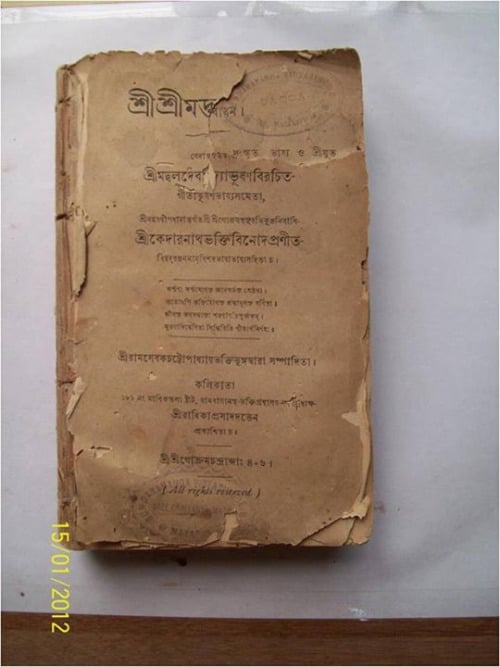
Srimad Bhagavatam offers a particularly lucid perspective on this transformation. It emphasizes that durable change emerges not merely from willpower but from purified intention aligned with dharma, supported by steady discipline (abhyasa) and moderated attachment (vairagya). By prioritizing inner orientationdevotional focus, self-examination, and clarity of purposeexternal habits begin to reflect deeper values. In this way, the text reframes reform as the fruit of cultivated consciousness, rather than as a struggle against the self.
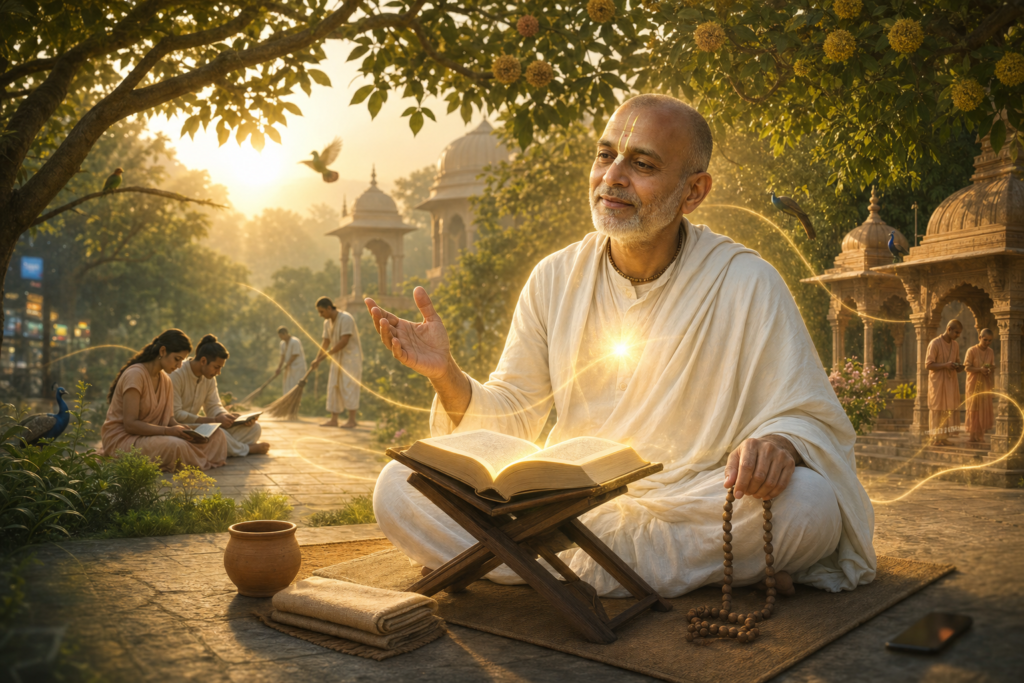
Practical application follows naturally from these insights. A single, well-chosen sankalpa anchored in daily sadhana often outperforms a crowded list of ambitions. Integrating practices that nourish sattvamindfulness, japa, study (svadhyaya), and sevastabilizes attention and reduces friction. Gentle accountability, reflective journaling, and periodic assessment foster learning rather than guilt, allowing lapses to become data for wiser design. Over time, small, consistent steps accumulate into character, and character stabilizes conduct.
These principles resonate across dharmic traditions. Buddhist mindfulness clarifies intention and interrupts impulsive cycles; Jain anuvratas model measured, sustainable vows; Sikh nitnem and seva embody discipline fused with devotion; Hindu vrata and sankalpa formalize commitment within a sacred frame. The shared aim is a compassionate, methodical approach to growth that dignifies plural paths while affirming a common horizon of freedom from compulsive patterns.
Seen this way, New Year’s resolutions are not isolated projects but seasonal reminders of an ongoing interior journey: loosening the grip of samsara by strengthening discernment, devotion, and daily practice. When intention is renewed with humility and supported by a stable routine, setbacks become temporary contours rather than defining features. The wisdom of Srimad Bhagavatam thus encourages a patient, joyful realismchange is possible, and its most reliable engine is the steady refinement of consciousness.
Ultimately, aligning resolutions with dharma turns the calendar’s ritual into enduring transformation. By rooting commitments in sankalpa, guided by Srimad Bhagavatam and enriched by the shared insights of Hinduism, Buddhism, Jainism, and Sikhism, the annual cycle can evolve from repetition into renewal, and from aspiration into lasting clarity.
Inspired by this post on Dandavats.