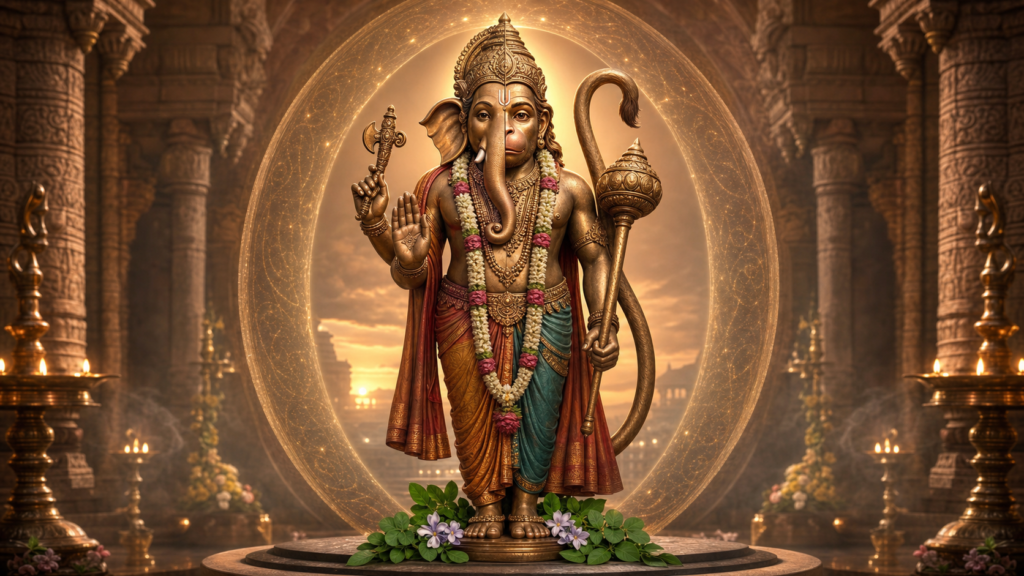
Skandagiri Subramanya Swamy Temple in the twin cities of Hyderabad and Secunderabad stands as a revered center of devotion to Lord Subrahmanya. January 2026 promises a spiritually vibrant period marked by Dhanurmasa Pujas, Bhogi, Makara Sankranti, and Thai Poosam. These observances reflect the temple’s living tradition and the shared ethical values of discipline, gratitude, compassion, and service that resonate across dharmic paths in Hinduism, Buddhism, Jainism, and Sikhism.
Dhanurmasa Pujas during the early weeks of January emphasize predawn worship, disciplined routine, and contemplative devotion. At Skandagiri, devotees typically gather before sunrise for sanctified rituals, deepa lighting, and archana to Subramanya Swamy. The emphasis on sattvic offerings and quiet reflection supports an inner posture of humility and focus, aligning with a wider dharmic ethos of non-violence, self-restraint, and mindful living.
Bhogi, observed on the eve of Makara Sankranti, traditionally signifies letting go of the old and welcoming renewal. In the cultural setting of Telangana, families honor gratitude, warmth, and community ties, while temple visitors experience the uplifting cadence of bells, conch, and devotional music. Makara Sankranti 2026, marking the Sun’s transition into Makara, is celebrated with special pujas, auspicious darshan, and an emphasis on new beginnings and collective well-being.
Thai Poosam at Skandagiri Temple honors Lord Subrahmanya with fervor rooted in the Tamil month of Thai, under the star Poosam. The day is associated with devotion, penance, and the seeking of divine grace for courage and clarity. Rituals often include abhishekam, alankaram, and focused recitation of stotras, inviting devotees to strengthen resolve and cultivate virtueprinciples esteemed across dharmic traditions.
The temple typically releases a detailed schedule listing dates and days for each festival as per the local panchang. Observances may follow Telugu and Tamil calendar considerations and Hyderabad sunrise timings. Devotees planning a visit in January 2026 are advised to refer to the publicly displayed schedule at the temple or consult a reliable panchang for exact muhurtham and sequence of events.
Visitors frequently describe a serene yet joyous atmosphere at Skandagiri: orderly queues for darshan, fragrant lamps illuminating the sanctum, and the collective rhythm of mantra recitation. Families, students, and elders alike participate with reverence, highlighting the temple’s role as a shared cultural and spiritual space. This inclusive spiritwelcoming diverse practices and perspectives within a dharmic frameworknurtures social harmony and a sense of belonging.
January’s pujas at Skandagiri Subramanya Swamy Temple thus offer both spiritual depth and cultural continuity. Whether attending Dhanurmasa Pujas, celebrating Bhogi, honoring Makara Sankranti 2026, or observing Thai Poosam, devotees encounter a thoughtfully structured worship experience that reinforces unity, ethical living, and devotion to the common good.
Inspired by this post on Hindu Pad.