Makara Masam (Makaram), the sixth month in the Malayalam calendar followed across Kerala and the Malabar region, begins on 14 January 2026 with Makara Sankranti and concludes on 12 February 2026. Anchored in the transition of the Sun into Makara rashi (Capricorn), this period marks the start of Uttarayana, a time traditionally associated with light, clarity, and renewal in the Hindu solar calendar.
As a solar milestone, Makara Sankranti is observed nationwide and resonates across dharmic traditions. In Kerala, Makaram is noted for disciplined temple observances, charitable giving (dāna), holy bathing (snāna), and reverence to the Sun (Surya arghya). The same date aligns with Maghi in Sikh communities and is considered an auspicious window for merits and new beginnings in many Jain householdsunderscoring the shared civilizational ethos of seeking light, knowledge, and compassion.
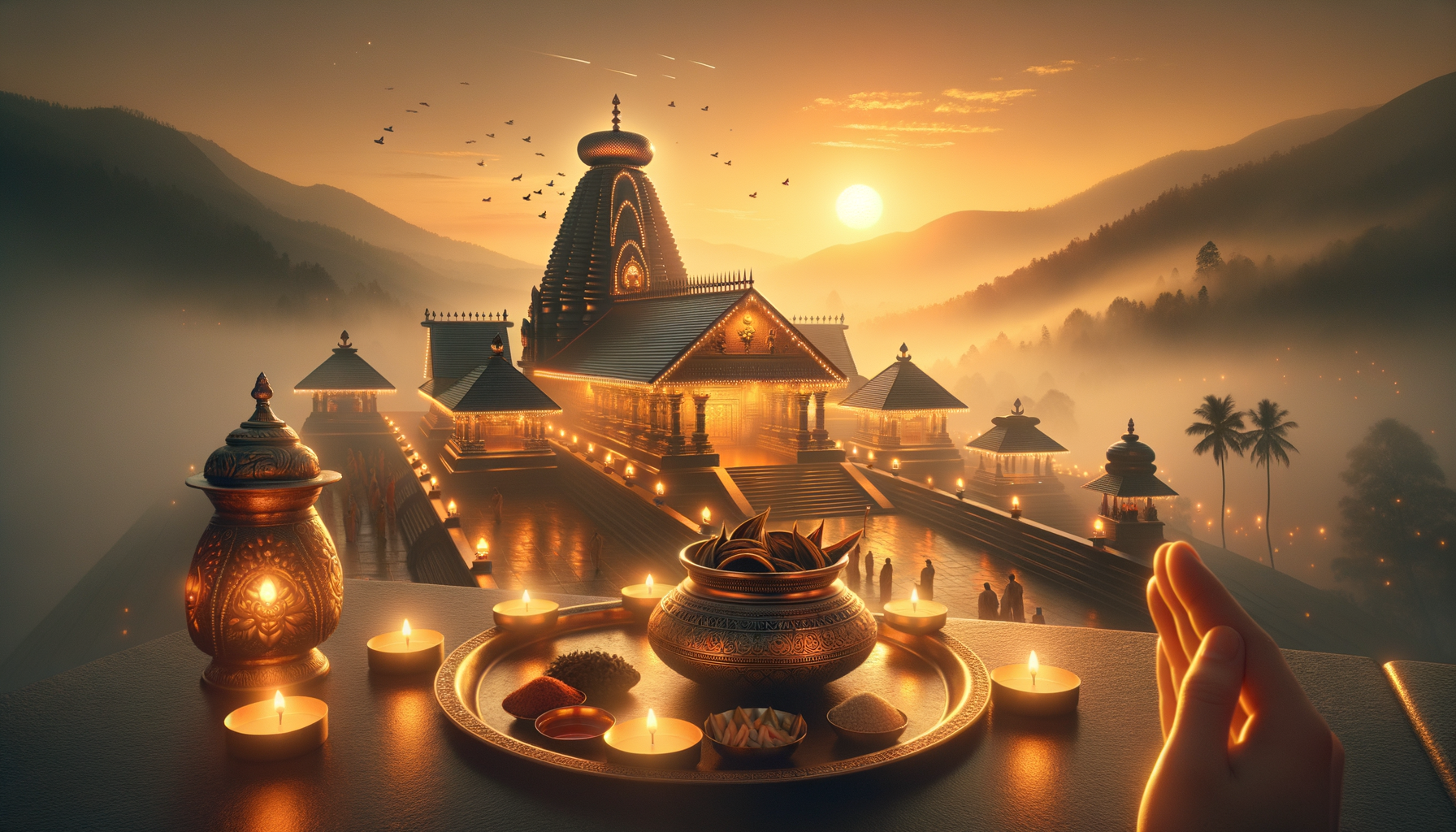
A defining spiritual highlight during this month is the observance of Makaravilakku and the sacred Makarajyothi at the Sabarimala Ayyappa Temple, held on Makara Sankranti. The event coincides with the onset of Makaram and is revered for its devotional depth, disciplined pilgrimage, and collective prayer, offering a unifying experience to devotees. Its timing within the Malayalam calendar further reinforces the close relationship between astronomical transitions and ritual life in Kerala.
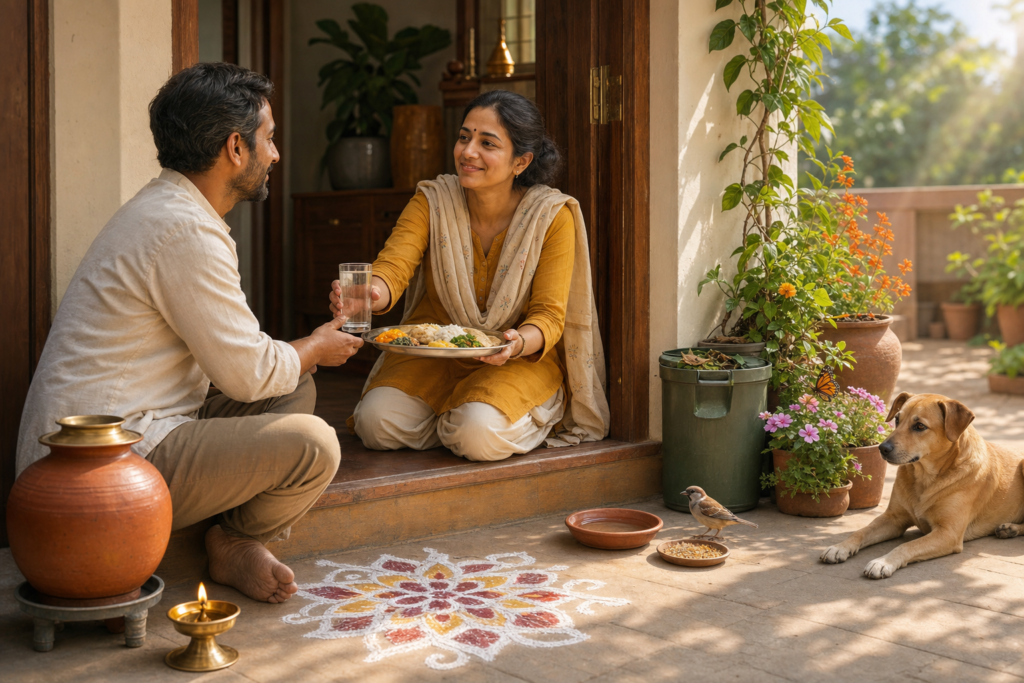
For households across Kerala, Makaram often evokes cool mornings, temple lamps, and seasonal offerings prepared with sesame and jaggerysymbols of warmth, health, and balance. Communities frequently recall how this month blends discipline with hope: early temple visits, contemplative recitations, and family gatherings that renew bonds across generations.
From an observance perspective, Makara Masam 2026 offers a clear framework for planning pilgrimages, vratas, and temple visits. Many choose to honor the Sun with daily arghya at sunrise, undertake simple austerities, read from sacred texts, and engage in acts of service. These practices, observed in diverse forms across Hindu, Buddhist, Jain, and Sikh communities, reflect a shared reverence for the movement from darkness to lightupholding unity in spiritual diversity.
With Makaram running from 14 January to 12 February 2026, devotees and culture-keepers can align schedules with local temple calendars, especially for Makaravilakku at Sabarimala and related community observances. In doing so, the month becomes a lived expression of Kerala’s cultural continuityrooted in the Malayalam calendar, illuminated by the Sun’s transition, and enriched by the inclusive spirit of the dharmic traditions.
Inspired by this post on Hindu Pad.