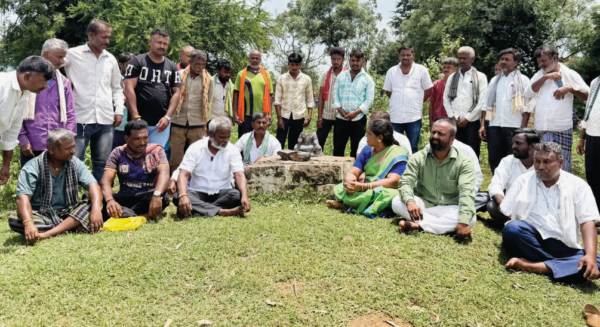
Across Jharkhand, Hindu Janajagruti Samiti (HJS), together with several Hindu organisations, coordinated peaceful demonstrations and submitted memoranda to district administrations. The actions followed reports of the lynching of a Hindu youth in Bangladesh, widely identified as Dipu Chandra Das, and called for urgent diplomatic engagement to halt targeted violence against Hindus and protect all vulnerable minorities.
The protests underscored a civic demand for accountability, rule of law, and regional stability. Community participants emphasized that their appeal was grounded in human rights and the need for communal harmony, asserting that justice and security for minorities in Bangladesh are essential for strengthening India–Bangladesh relations and South Asian cooperation.
The memoranda urged high-level diplomatic intervention, including sustained bilateral dialogue, independent investigations, and accountability mechanisms to deter recurring violence. Recommendations included enhanced consular support, improved cross-border information sharing, and protective measures around places of worship, education, and community life. Stakeholders also called for structured human rights dialogues, regular monitoring frameworks, and transparent reporting to ensure timely action.
Community members conveyed deep grief alongside a firm resolve to pursue non-violent, constitutional methods. Many expressed that solidarity across civil society can transform outrage into constructive outcomesprotecting minorities, reinforcing due process, and preventing escalation. In this spirit, organisers highlighted the moral imperative to uphold dignity and safety for every community.
While the demonstrations were led by Hindu organisations, the appeal deliberately invoked unity across Dharmic traditionsHindu, Buddhist, Jain, and Sikhto promote peace, compassion, and restraint. This inclusive emphasis sought to align community sentiment with broader interfaith and intrafaith harmony, reducing polarization and reinforcing a shared commitment to non-violence.
Contextually, the issue intersects with diplomatic relations, international humanitarian norms, and the historical imperative of minority rights protection in South Asia. The call for action thus stressed cooperation between New Delhi and Dhaka, adherence to constitutional protections, and the need for transparent, credible justice processes in Bangladesh.
Moving forward, participants recommended ongoing community engagement, legal support networks, and responsible media communication to counter misinformation. They emphasized that sustained diplomacy, human rights–based monitoring, and civil society collaboration are the most effective pathways to safeguard lives, uphold justice, and preserve communal harmony.
Inspired by this post on Hindu Jagruti Samiti.